There’s nothing quite like the taste of freshly picked herbs, whether it’s fragrant basil, zesty rosemary, or aromatic thyme. While many people associate herbs with outdoor gardens, growing them indoors offers a year-round supply of fresh flavors for your kitchen. Indoor herbs not only elevate your cooking but also add greenery and natural fragrance to your home.
Experts in horticulture emphasize that indoor herb gardening is entirely achievable with the right light, soil, watering, and care. This guide covers everything you need to know to grow thriving indoor herbs throughout the year.
Choosing the Right Herbs for Indoor Growth
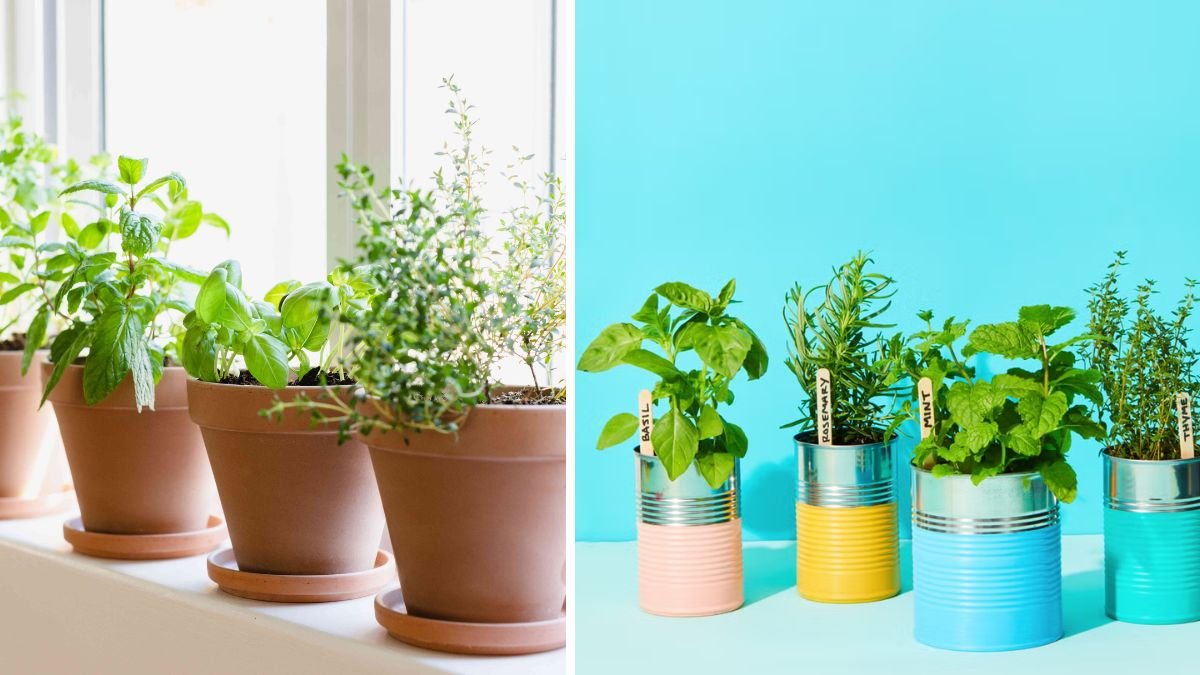
Not all herbs thrive indoors, so selecting the right varieties is key. Experts recommend starting with these popular, easy-to-grow herbs:
- Basil: Prefers bright light and consistent warmth; perfect for cooking fresh sauces.
- Rosemary: A drought-tolerant herb that enjoys bright, indirect light and well-draining soil.
- Thyme: Compact and hardy, thrives in pots with moderate sunlight.
- Mint: Fast-growing, spreads quickly; ideal in containers to prevent invasive growth.
- Chives: Perennial indoors, providing fresh oniony flavor year-round.
- Oregano and Sage: Adapt well to indoor conditions with sufficient light.
Experts suggest focusing on herbs you use most frequently in cooking, as this ensures regular harvesting and healthy, productive plants.
Light Requirements
Light is one of the most critical factors for indoor herbs:
Latest Posts
- With Just 1 Bottle of Water How I Was Shocked by What Happened When Growing Vegetables
- Maximize Your Home Garden with the Hanging Pea Sprout Growing Model – Space-Saving, High-Yield, and Easy-to-Manage Vertical Gardening Solution
- Just Water – The Secret to Growing Plump, White Peanut Sprouts Right at Home: A Step-by-Step Guide for Beginners
- Growing Zucchini at Home in a Container: How to Cultivate Large, Long Fruits with a 1-to-72 Day Step-by-Step Diary for Maximum Yield
- Grow Long Beans on the Terrace in Used Recycling Baskets: The Ultimate Guide to Easy, Space-Saving, and High-Yield Terrace Gardening
- How to Grow Tons of Long Beans Easily Without a Garden – A Complete Guide to Growing Healthy Yardlong Beans Without Fertilizers or Pesticides
- Easy Long Bean Growing Trick – No Garden, No Fertilizer, No Pesticide
- Grow Bitter Melon in Bottles — Harvest So Big You Can’t Eat It All! The Ultimate Guide to Bottle Gardening for Maximum Yields
- Growing Garlic Made Easy: No Soil, Fast Results – The Ultimate Guide to Growing Fresh Garlic Indoors Without Traditional Soil
- Wall-Mounted Hydroponic Watermelon System: Grow Large, Juicy, and Delicious Watermelons at Home with Minimal Space and Maximum Yield

- Natural sunlight: Most herbs need at least 6 hours of bright, direct light per day. South-facing windows are ideal.
- Supplemental lighting: If natural light is insufficient, use full-spectrum LED or fluorescent grow lights for 10–12 hours daily.
- Rotation: Rotate pots every few weeks to prevent plants from leaning toward the light source and to encourage even growth.
Proper light exposure promotes lush foliage, strong stems, and vibrant flavors in herbs.
Choosing Containers and Soil
Herbs grow best in containers that provide adequate drainage:
- Pot size: Select containers large enough for root development. Most herbs thrive in 6–10 inch pots.
- Drainage: Ensure pots have drainage holes to prevent root rot.
- Soil: Use a lightweight, well-draining potting mix with added perlite or sand. Avoid heavy garden soil, which retains too much water.
Experts recommend shallow pots for shallow-rooted herbs like chives and mint, while deeper pots suit basil and rosemary.
Watering and Humidity
Watering indoor herbs properly is essential for healthy growth:
- Frequency: Allow the top 1 inch of soil to dry out before watering again. Overwatering can lead to root rot.
- Techniques: Water deeply, ensuring all roots receive moisture. Empty excess water from saucers.
- Humidity: Herbs tolerate average indoor humidity, but tropical varieties like basil benefit from occasional misting or a humidity tray.
Experts suggest checking soil moisture with your finger rather than following a strict schedule, as water needs vary with light, temperature, and season.
Fertilizing for Flavor and Growth
Indoor herbs require regular nutrients to stay productive:
- Type of fertilizer: Use a balanced, water-soluble fertilizer every 4–6 weeks during the growing season. Organic fertilizers such as compost tea or fish emulsion also work well.
- Amount: Avoid over-fertilizing, which can produce lush foliage but reduce flavor intensity.
- Timing: Fertilize more during active growth (spring and summer) and reduce feeding in fall and winter.
Experts emphasize that moderate fertilization enhances both growth and flavor without overwhelming the plant.
Pruning and Harvesting
Pruning is key to encouraging bushier growth and prolonging harvests:
- Harvest regularly: Pinch or cut leaves just above a leaf node. This encourages branching and prevents legginess.
- Prune for shape: Remove any dead or yellowing leaves to maintain airflow and plant health.
- Flower removal: Many herbs, including basil and mint, produce flowers that can reduce leaf production. Pinch off flowers to redirect energy to foliage.
Frequent harvesting and strategic pruning maintain a steady supply of flavorful leaves throughout the year.
Managing Pests and Diseases
Even indoor herbs are susceptible to pests:

- Common pests: Aphids, spider mites, and whiteflies can infest herbs.
- Prevention: Inspect plants regularly and remove affected leaves. Maintain proper spacing for airflow.
- Treatment: Use insecticidal soap or neem oil for infestations; avoid chemical pesticides that may be harmful if ingested.
Experts note that keeping plants healthy and stress-free reduces the likelihood of pest problems.
Companion Planting and Layout
Grouping herbs with similar care requirements makes maintenance easier:
- Light compatibility: Place sun-loving herbs like basil and rosemary together. Shade-tolerant herbs like parsley can share a separate spot.
- Watering needs: Avoid grouping drought-tolerant and moisture-loving herbs together to simplify watering schedules.
- Aesthetics: Mix herbs with contrasting leaf colors and textures for a visually appealing indoor garden.
Experts suggest arranging containers in clusters or on tiered shelves to maximize light exposure and conserve space.
Seasonal Considerations
Indoor herbs can grow year-round, but seasonal adjustments improve growth:
- Winter: Light levels drop indoors, so supplemental lighting may be needed. Reduce watering slightly as plant growth slows.
- Spring and summer: Increase watering and fertilization as herbs enter their peak growth period.
- Fall: Continue harvesting, but prepare plants for shorter daylight periods by moving them closer to light sources.
Seasonal care ensures consistent harvests and vibrant flavor throughout the year.
Benefits of Indoor Herbs
- Fresh flavor: Pick herbs when needed, ensuring maximum taste for meals.
- Aromatherapy: Many herbs release pleasant scents that can improve indoor air quality and mood.
- Decorative value: Herbs like rosemary and thyme add greenery and texture to kitchens, living rooms, or sunrooms.
- Sustainable: Growing your own herbs reduces the need for store-bought herbs, which often come in plastic packaging.
Experts agree that indoor herbs combine practicality with beauty, making them one of the most rewarding indoor plants to cultivate.
Common Mistakes to Avoid
- Insufficient light: Herbs without enough light become leggy and weak.
- Overwatering: Root rot is the most frequent killer of indoor herbs.
- Ignoring pruning: Lack of pruning leads to sparse, woody growth.
- Using heavy soil: Poor drainage can suffocate roots.
- Over-fertilizing: Too much fertilizer diminishes flavor and may burn roots.
By avoiding these mistakes, you’ll enjoy vigorous, flavorful herbs year-round.
Final Thoughts
Indoor herbs provide a year-round flavor boost while adding life and fragrance to your home. Experts emphasize that success depends on selecting the right varieties, providing adequate light, using well-draining soil, watering appropriately, fertilizing moderately, and pruning regularly.
With proper care, indoor herbs like basil, rosemary, thyme, and mint can thrive, producing fresh leaves for your meals every day. Whether you’re a beginner or an experienced gardener, cultivating herbs indoors offers both culinary rewards and the joy of greenery in your home.
Start small, observe your plants, and adjust care as needed—before long, you’ll have a thriving indoor herb garden that delivers flavor and beauty year-round.