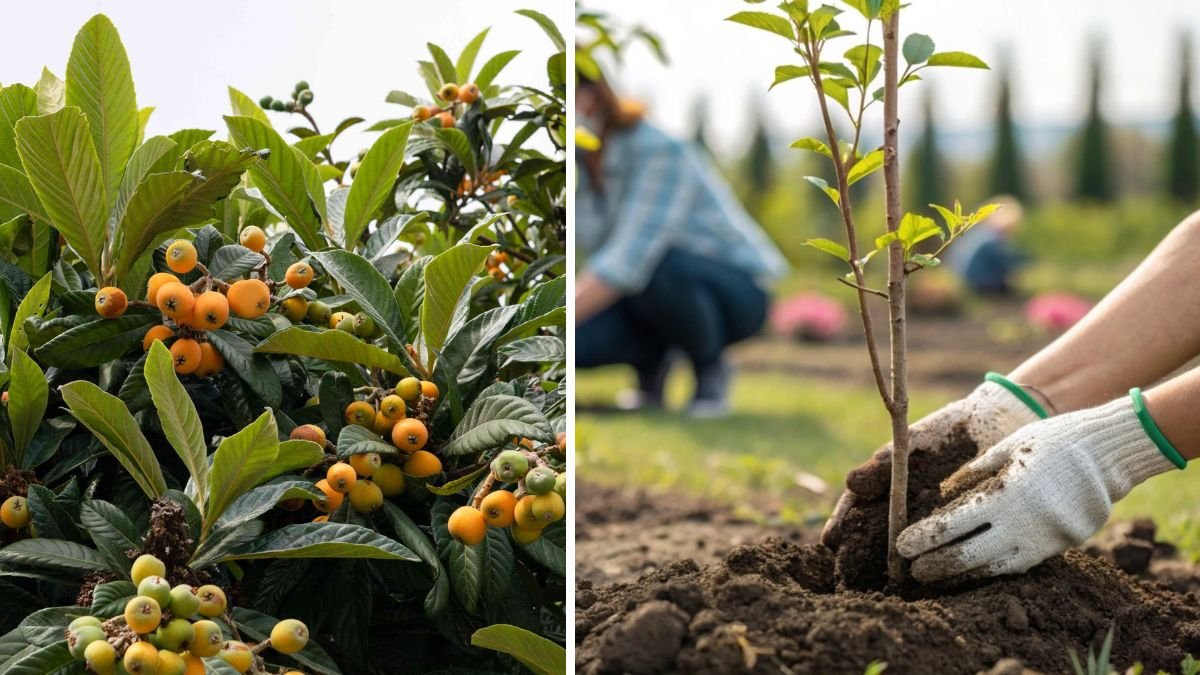
San Luis Obispo (SLO) County is a gardener’s paradise with its mild coastal climate, fertile soils, and long growing season. However, growing strong, productive fruit trees here requires more than just planting and watering. Local horticulturists emphasize that understanding the region’s microclimates, soil types, and seasonal patterns is key to cultivating healthy trees that produce abundant, flavorful fruit.
This guide provides expert tips for planting, nurturing, and maintaining fruit trees in SLO County, ensuring your orchard—or backyard fruit garden—thrives year after year.
Understanding SLO County’s Climate
SLO County benefits from a Mediterranean-style climate with warm, dry summers and cool, wet winters. This climate supports a wide variety of fruit trees, including apples, pears, citrus, stone fruits, and figs. Key considerations include:
- Temperature: Winter lows rarely dip below freezing, while summer highs typically stay moderate. Some microclimates, especially inland valleys, may experience hotter temperatures, which can affect certain fruit varieties.
- Fog and humidity: Coastal areas can experience morning fog, which benefits some fruit trees but may increase the risk of fungal disease if air circulation is limited.
- Rainfall: Most rainfall occurs in winter. Irrigation during summer months is essential for consistent fruit production.
Experts suggest observing your specific site’s sun exposure, wind patterns, and frost pockets before choosing tree species.
Choosing the Right Fruit Trees
Selecting trees suited to SLO County is the first step toward success. Consider:
Latest Posts
- With Just 1 Bottle of Water How I Was Shocked by What Happened When Growing Vegetables
- Maximize Your Home Garden with the Hanging Pea Sprout Growing Model – Space-Saving, High-Yield, and Easy-to-Manage Vertical Gardening Solution
- Just Water – The Secret to Growing Plump, White Peanut Sprouts Right at Home: A Step-by-Step Guide for Beginners
- Growing Zucchini at Home in a Container: How to Cultivate Large, Long Fruits with a 1-to-72 Day Step-by-Step Diary for Maximum Yield
- Grow Long Beans on the Terrace in Used Recycling Baskets: The Ultimate Guide to Easy, Space-Saving, and High-Yield Terrace Gardening
- How to Grow Tons of Long Beans Easily Without a Garden – A Complete Guide to Growing Healthy Yardlong Beans Without Fertilizers or Pesticides
- Easy Long Bean Growing Trick – No Garden, No Fertilizer, No Pesticide
- Grow Bitter Melon in Bottles — Harvest So Big You Can’t Eat It All! The Ultimate Guide to Bottle Gardening for Maximum Yields
- Growing Garlic Made Easy: No Soil, Fast Results – The Ultimate Guide to Growing Fresh Garlic Indoors Without Traditional Soil
- Wall-Mounted Hydroponic Watermelon System: Grow Large, Juicy, and Delicious Watermelons at Home with Minimal Space and Maximum Yield
- Citrus trees: Oranges, lemons, limes, and mandarins thrive in warmer, coastal areas. They prefer full sun and well-draining soil.
- Stone fruits: Peaches, nectarines, plums, and apricots flourish in areas with good winter chill hours and full sun.
- Pome fruits: Apples and pears can succeed with appropriate winter chill, careful site selection, and disease management.
- Figs and persimmons: Extremely well-suited to the mild climate, figs in particular produce abundant fruit with minimal care.
Experts recommend consulting local nurseries for varieties that perform well in SLO County and choosing disease-resistant cultivars whenever possible.
Site Selection and Soil Preparation
The success of fruit trees often begins with choosing the right site and preparing the soil:
- Sunlight: Fruit trees generally need at least six to eight hours of direct sunlight per day. Full sun promotes strong growth and fruiting.
- Drainage: Trees cannot tolerate waterlogged soil. If your soil holds water, consider raised beds or mounds to improve drainage.
- Soil fertility: Conduct a soil test to determine pH and nutrient levels. Most fruit trees prefer slightly acidic to neutral soil (pH 6–7).
- Wind protection: Young trees are vulnerable to wind damage. Planting near a natural or artificial windbreak can prevent broken branches and moisture loss.
Experts stress that investing time in proper site preparation saves years of frustration and improves tree longevity and productivity.
Planting Your Fruit Trees
Proper planting technique is essential for healthy root development:
- Digging the hole: Make a hole twice as wide as the root ball but only as deep as the root system to prevent settling.
- Soil amendments: Mix native soil with compost to provide nutrients and improve structure. Avoid over-fertilizing at planting.
- Planting depth: Set the tree so the graft union (if present) is 2–3 inches above the soil surface.
- Watering in: Water thoroughly after planting to settle soil around roots.
Local horticulturists recommend planting in late winter or early spring to allow roots to establish before summer heat.
Watering and Irrigation
Consistent watering is critical for tree health and fruit production:
- Young trees: Water deeply 1–2 times per week depending on soil type and temperature.
- Established trees: Reduce frequency but water deeply during prolonged dry spells.
- Drip irrigation: Efficiently delivers water directly to the root zone while minimizing disease risks associated with wet foliage.
Experts note that stress from inconsistent watering can lead to fruit drop, smaller harvests, or weak growth. Mulching around the base helps retain moisture and regulate soil temperature.
Fertilizing for Strong Growth
Fruit trees need balanced nutrition to thrive:
- Nitrogen: Supports leafy growth.
- Phosphorus: Promotes root development and flowering.
- Potassium: Improves fruit quality and disease resistance.
- Micronutrients: Calcium, magnesium, and iron are often needed for optimal health.
Experts recommend fertilizing young trees lightly in their first year, gradually increasing nutrient supply as trees mature. Applying compost or well-rotted manure annually improves soil structure and provides slow-release nutrients.
Pruning and Training
Pruning maintains structure, improves airflow, and enhances fruit quality:
- Young trees: Form strong central leaders and scaffold branches in the first few years.
- Mature trees: Remove dead, diseased, or crossing branches annually.
- Fruit thinning: Removing some immature fruit reduces stress on branches and improves size and flavor of remaining fruit.
Experts stress that proper pruning encourages sunlight penetration, reduces disease, and prevents overgrowth that can shade interior branches.
Pest and Disease Management
SLO County gardeners should monitor for common pests and diseases:
- Aphids, scale, and mites: Can weaken trees; treat with insecticidal soap or horticultural oil.
- Fungal diseases: Powdery mildew, rust, and leaf spot can occur, particularly in areas with morning fog or poor airflow.
- Rodents and birds: Netting or protective barriers can prevent fruit loss.
Experts recommend integrated pest management: regular inspection, promoting beneficial insects, and maintaining healthy trees through proper watering and nutrition to reduce vulnerability.
Seasonal Care Tips
- Spring: Fertilize, prune, and monitor for pests as buds emerge.
- Summer: Water deeply and mulch to conserve soil moisture. Thin fruit if necessary.
- Fall: Harvest fruit and clean fallen debris to prevent disease.
- Winter: Prune dormant trees and plan for planting new trees.
Following seasonal care routines ensures fruit trees remain productive and resilient.
Companion Planting and Soil Health
Planting compatible species near fruit trees can improve soil and attract pollinators:
- Herbs: Basil, borage, or chives attract beneficial insects.
- Cover crops: Clover or vetch enrich the soil with nitrogen.
- Mulches: Straw, leaves, or wood chips reduce weeds and retain moisture.
Experts emphasize that maintaining healthy soil and biodiversity supports fruit tree health naturally, reducing reliance on synthetic inputs.
Harvesting and Enjoying Your Fruit
Patience is key—many fruit trees take 2–5 years to produce a full crop:
- Pick at peak ripeness: Taste and texture are better indicators than color alone.
- Regular harvesting: Prevents fruit from attracting pests and encourages continued production.
- Preservation: Consider canning, freezing, or drying excess fruit for year-round enjoyment.
A well-maintained SLO County fruit garden can provide delicious produce and a rewarding connection to the land.
Final Thoughts
Growing strong fruit trees in San Luis Obispo County is achievable with careful planning and attentive care. Experts agree that success depends on understanding your microclimate, selecting suitable varieties, preparing soil, watering properly, fertilizing, pruning, and managing pests.
By incorporating these strategies, your backyard or small orchard can thrive, producing healthy, flavorful fruit year after year. Whether you’re planting citrus for your coastal patio or apples and stone fruits for inland valleys, following expert guidance ensures your SLO County garden is both productive and beautiful.
Invest time in soil, irrigation, and pruning, and your fruit trees will reward you with abundant harvests and a garden that flourishes in every season.