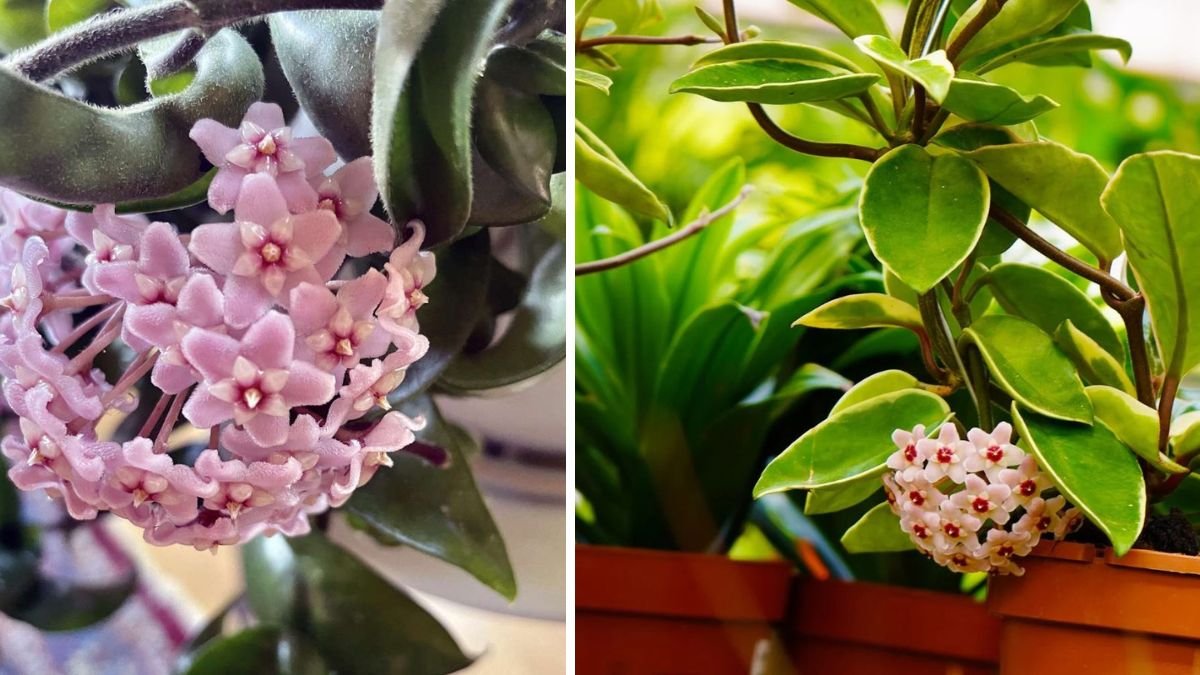
Hoya, often called the “wax plant” for its glossy leaves and fragrant, star-shaped flowers, has become a favorite among indoor plant enthusiasts. Its trailing vines and striking blooms make it a standout addition to any indoor garden. While Hoyas are relatively low-maintenance, growing them successfully indoors requires attention to light, watering, soil, and feeding.
Experts in indoor horticulture say that by understanding a Hoya’s natural environment and mimicking it at home, you can enjoy lush, green foliage and long-lasting blooms year after year.
Understanding the Hoya Plant
Native to tropical and subtropical regions of Asia and Australia, Hoyas are epiphytic plants, meaning they often grow on trees in their natural habitat. Key characteristics include:
- Thick, waxy leaves: These store water and help the plant tolerate periods of dryness.
- Trailing or climbing growth: Hoyas can be trained to climb trellises or cascade from hanging baskets.
- Fragrant, long-lasting flowers: Clusters of star-shaped blooms appear in shades of pink, white, red, or yellow, often emitting a sweet scent.
Because Hoyas evolved under filtered light in humid forests, indoor gardeners need to recreate similar conditions for optimal growth and flowering.

Choosing the Right Hoya Variety
There are over 200 Hoya species, but some are particularly well-suited for indoor growth:
Latest Posts
- With Just 1 Bottle of Water How I Was Shocked by What Happened When Growing Vegetables
- Maximize Your Home Garden with the Hanging Pea Sprout Growing Model – Space-Saving, High-Yield, and Easy-to-Manage Vertical Gardening Solution
- Just Water – The Secret to Growing Plump, White Peanut Sprouts Right at Home: A Step-by-Step Guide for Beginners
- Growing Zucchini at Home in a Container: How to Cultivate Large, Long Fruits with a 1-to-72 Day Step-by-Step Diary for Maximum Yield
- Grow Long Beans on the Terrace in Used Recycling Baskets: The Ultimate Guide to Easy, Space-Saving, and High-Yield Terrace Gardening
- How to Grow Tons of Long Beans Easily Without a Garden – A Complete Guide to Growing Healthy Yardlong Beans Without Fertilizers or Pesticides
- Easy Long Bean Growing Trick – No Garden, No Fertilizer, No Pesticide
- Grow Bitter Melon in Bottles — Harvest So Big You Can’t Eat It All! The Ultimate Guide to Bottle Gardening for Maximum Yields
- Growing Garlic Made Easy: No Soil, Fast Results – The Ultimate Guide to Growing Fresh Garlic Indoors Without Traditional Soil
- Wall-Mounted Hydroponic Watermelon System: Grow Large, Juicy, and Delicious Watermelons at Home with Minimal Space and Maximum Yield
- Hoya carnosa: A classic variety with thick, waxy leaves and clusters of fragrant, pink-tipped flowers.
- Hoya kerrii: Known as the “sweetheart plant,” it has heart-shaped leaves and slower growth.
- Hoya pubicalyx: Features elongated leaves and striking red or pink blooms.
- Hoya obovata: Rounded, green leaves with speckled silver markings; blooms are fragrant and long-lasting.
Experts recommend selecting a variety that matches your space and light conditions, whether it’s a trailing Hoya for a hanging basket or a climbing type for a trellis.
Providing the Right Light
Hoyas thrive in bright, indirect light:
- Why it matters: Insufficient light slows growth and prevents flowering, while direct sunlight can scorch leaves.
- Indoor placement: Near an east-facing or west-facing window is ideal. If light is limited, consider supplementing with grow lights for 8–12 hours daily.
- Rotation: Rotate the plant every few weeks to ensure even growth and avoid leaning toward the light source.
Experts emphasize that light is the single most important factor in encouraging Hoyas to bloom indoors.

Watering Guidelines
Hoya leaves store water, so they tolerate short dry periods better than overwatering:
- Watering frequency: Allow the top 1–2 inches of soil to dry out before watering again. Overwatering can lead to root rot.
- Humidity: Hoyas enjoy moderate humidity (40–60%). Indoor air in winter can be dry, so consider misting or using a humidity tray.
- Seasonal adjustments: Water less in winter when the plant’s growth slows, and more in spring and summer during active growth.
Experts suggest feeling the soil rather than sticking to a strict schedule, as this prevents the most common mistake of overwatering.
Choosing the Right Soil
Hoyas prefer a well-draining, aerated mix:
- Recommended mix: A combination of cactus/succulent soil and orchid bark or perlite works well. This mimics their natural epiphytic environment.
- Pot considerations: Use pots with drainage holes to prevent standing water. Hanging baskets or shallow pots often work best for trailing Hoyas.
- Repotting: Hoyas like to be slightly root-bound, so only repot every 2–3 years or when roots are overtaking the container.
A properly drained soil mix keeps roots healthy, prevents disease, and encourages strong growth.

Fertilizing for Growth and Blooms
- Type of fertilizer: Use a balanced, water-soluble fertilizer or a bloom-boosting formula with slightly higher phosphorus content.
- Frequency: Fertilize every 4–6 weeks during the growing season (spring and summer). Reduce feeding during fall and winter.
- Expert tip: Avoid over-fertilizing, which can lead to excessive leaf growth at the expense of flowers.
Fertilization is crucial for supporting lush foliage and ensuring the plant produces abundant, long-lasting blooms.
Training and Supporting Growth
- Trailing Hoyas: Let vines cascade from hanging baskets or train them along macramé hangers.
- Climbing Hoyas: Use trellises or moss poles to support upward growth.
- Pruning: Trim only to shape the plant or remove dead leaves; avoid cutting flowering spurs, which produce blooms.
Experts note that careful training can showcase the Hoya’s natural form while maximizing bloom potential.
Encouraging Blooms
Blooming Hoyas requires patience and the right conditions:
- Mature plant: Hoyas typically need to be a few years old before producing flowers.
- Light: Bright, indirect light encourages flower bud formation.
- Temperature: Maintain daytime temperatures between 65–80°F and slightly cooler nights to simulate natural conditions.
- Dry spell: A short period of reduced watering before bloom can trigger flowering in some species.
Avoid disturbing flower nodes when pruning, as these are the points where buds form.

Common Hoya Care Mistakes
- Overwatering: Leads to root rot. Let soil dry slightly between waterings.
- Too little light: Prevents flowering and causes leggy growth.
- Pruning flowering spurs: Cutting these off eliminates blooms for the season.
- Improper soil: Heavy, water-retentive soils can suffocate roots.
- Neglecting humidity: Dry indoor air can stress the plant and reduce bloom quality.
Correcting these mistakes ensures a Hoya that is both lush and floriferous.
Seasonal Care Tips
- Spring/Summer: Water regularly, fertilize, and encourage new growth.
- Fall: Reduce watering slightly and trim only if necessary.
- Winter: Minimal watering and lower temperatures help the plant rest and prepare for spring blooms.
Seasonal adjustments help maintain healthy foliage and support consistent flowering.
Benefits of Growing Hoya Indoors
- Low-maintenance elegance: Minimal care can produce dramatic visual results.
- Air purification: Like many houseplants, Hoyas improve indoor air quality.
- Longevity: Hoyas are long-lived and can thrive for decades with proper care.
- Decor versatility: Perfect for hanging baskets, trellises, or shelves.
Experts highlight that with the right conditions, Hoyas reward gardeners with glossy foliage and exquisite blooms that last for weeks.
Final Thoughts
Growing Hoyas indoors can be a rewarding experience, producing lush leaves and long-lasting, fragrant flowers. Success hinges on providing bright, indirect light, well-draining soil, careful watering, appropriate fertilization, and gentle training. Avoid common mistakes like overwatering, improper pruning, and low humidity, and your Hoya will thrive for years.

By following these expert tips, even beginner indoor gardeners can cultivate a Hoya that is both visually striking and highly resilient. With a little patience and attention, your indoor garden can feature this waxy, blooming beauty as a standout centerpiece year-round.