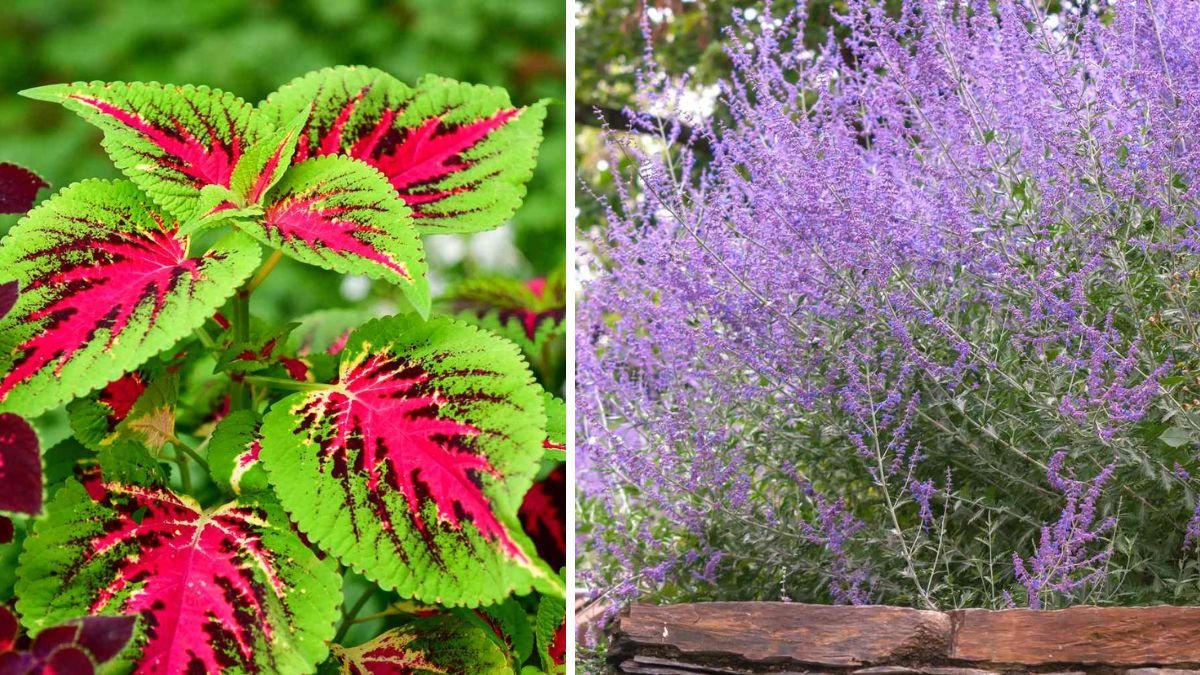
Gardens don’t have to rely solely on flowers to make an impression. Many plants offer incredible visual appeal through their foliage, texture, and structure—even when they aren’t in bloom. For gardeners who want a yard that looks lush year-round, focusing on these “non-blooming beauties” can create depth, color, and interest across seasons.
Experts in landscape design emphasize that choosing plants with striking leaves, unique forms, or evergreen qualities is key to maintaining a vibrant garden even in the off-season. Below, we highlight 10 plants that look spectacular in your yard all year long.
1. Hostas
- Why they stand out: Hostas are known for their bold, broad leaves in shades ranging from deep green to silver, with some variegated varieties.
- Care tips: Thrive in partial to full shade, with moist, well-draining soil.
- Year-round interest: Even when flowers fade, the foliage creates a dramatic, textured backdrop.
Garden experts often use hostas as a foundation plant for shady beds because their leaves add volume and color regardless of blooms.
2. Japanese Maple (Acer palmatum)
- Why they stand out: Japanese maples are prized for their graceful form and colorful foliage, which can range from deep burgundy to bright green.
- Care tips: Prefers partial shade and well-drained, slightly acidic soil.
- Year-round interest: The leaves provide stunning seasonal color, while the tree’s sculptural shape remains attractive in winter.
Landscape designers highlight Japanese maples as perfect focal points in small or large gardens because they offer year-round visual appeal.
3. Ferns
- Why they stand out: Ferns bring delicate texture and vibrant green tones to shady spots.
- Care tips: Keep soil moist and provide filtered light.
- Year-round interest: Many varieties remain green through much of the year, providing a soft, lush layer to the garden floor.
Ferns are excellent for creating a woodland garden feel, and their intricate fronds add elegance even without flowers.
Latest Posts
- With Just 1 Bottle of Water How I Was Shocked by What Happened When Growing Vegetables
- Maximize Your Home Garden with the Hanging Pea Sprout Growing Model – Space-Saving, High-Yield, and Easy-to-Manage Vertical Gardening Solution
- Just Water – The Secret to Growing Plump, White Peanut Sprouts Right at Home: A Step-by-Step Guide for Beginners
- Growing Zucchini at Home in a Container: How to Cultivate Large, Long Fruits with a 1-to-72 Day Step-by-Step Diary for Maximum Yield
- Grow Long Beans on the Terrace in Used Recycling Baskets: The Ultimate Guide to Easy, Space-Saving, and High-Yield Terrace Gardening
- How to Grow Tons of Long Beans Easily Without a Garden – A Complete Guide to Growing Healthy Yardlong Beans Without Fertilizers or Pesticides
- Easy Long Bean Growing Trick – No Garden, No Fertilizer, No Pesticide
- Grow Bitter Melon in Bottles — Harvest So Big You Can’t Eat It All! The Ultimate Guide to Bottle Gardening for Maximum Yields
- Growing Garlic Made Easy: No Soil, Fast Results – The Ultimate Guide to Growing Fresh Garlic Indoors Without Traditional Soil
- Wall-Mounted Hydroponic Watermelon System: Grow Large, Juicy, and Delicious Watermelons at Home with Minimal Space and Maximum Yield
4. Boxwood (Buxus spp.)
- Why they stand out: Boxwoods are evergreen shrubs that maintain structure and color throughout the year.
- Care tips: Prefers well-draining soil, moderate water, and partial to full sun.
- Year-round interest: Dense, glossy leaves create formal hedges or topiaries that are visually appealing even in winter.
Experts often use boxwoods to define garden beds or frame entrances because their shape and color are reliable year-round.
5. Heuchera (Coral Bells)
- Why they stand out: Known for their foliage in shades of purple, red, green, and silver, Heuchera provides striking color contrasts.
- Care tips: Thrives in partial shade and well-drained soil; leaves may change color seasonally.
- Year-round interest: Leaves remain attractive even when flowers are absent, adding vibrancy to borders and containers.
Coral bells are often paired with hostas or ferns for multi-layered, colorful shade gardens.
6. Evergreen Grasses (e.g., Carex, Festuca)
- Why they stand out: Ornamental grasses offer movement, texture, and subtle color changes in the landscape.
- Care tips: Most varieties tolerate a range of light conditions; some prefer full sun, others partial shade.
- Year-round interest: Their structure persists in winter, often turning bronze or gold, adding seasonal depth.
Experts use grasses to soften edges, create naturalistic designs, and add rhythm to gardens without relying on blooms.
7. Box Honeysuckle (Lonicera nitida)
- Why it stands out: This dense, evergreen shrub has glossy leaves and a tidy growth habit.
- Care tips: Prefers full sun to partial shade and tolerates pruning for shape.
- Year-round interest: Maintains its neat foliage throughout the year, perfect for hedges, topiary, or foundation plantings.
Its consistent texture and color make it a favorite for structured or contemporary gardens.

8. Hellebores (Helleborus spp.)
- Why they stand out: Hellebores are evergreen perennials with leathery, deep green leaves.
- Care tips: Prefer partial to full shade and well-drained soil rich in organic matter.
- Year-round interest: Leaves provide lush greenery even when flowers are not present; some varieties also feature subtle leaf variegation.
Hellebores are excellent for winter and early-spring interest, bridging gaps when most plants are dormant.
9. Japanese Forest Grass (Hakonechloa macra)
- Why it stands out: This ornamental grass forms graceful, arching clumps that create movement and texture.
- Care tips: Prefers partial shade and moist, well-draining soil.
- Year-round interest: Bright green in spring and summer, turning golden in fall, offering continuous visual appeal.
Landscape designers love it as a soft groundcover or accent to larger shrubs and trees.
10. Evergreen Ferny Shrubs (e.g., Mahonia, Aucuba)
- Why they stand out: These shrubs provide bold foliage with interesting textures and colors, sometimes featuring yellow or speckled leaves.
- Care tips: Many tolerate shade and poor soil, though well-drained soil improves growth.
- Year-round interest: Leaves remain glossy and structured throughout winter, maintaining visual interest in the garden.
Mahonia and Aucuba are often used to brighten dark corners or provide contrast with flowering perennials.
Tips for Maintaining Visual Interest Year-Round
- Mix textures and forms: Combining broad leaves, fine foliage, and spiky grasses creates depth and movement.
- Use evergreens strategically: Position them where structure is needed, like borders, corners, or as focal points.
- Layer plant heights: Place taller plants in back and shorter, groundcover plants in front for multi-dimensional appeal.
- Add seasonal color: Incorporate plants with subtle seasonal changes, such as gold or red fall tones.
- Consider containers: Foliage plants in pots can be moved or grouped for instant visual impact.
Experts stress that focusing on foliage and structure ensures your garden looks polished and engaging even when flowers are absent.
Benefits of Foliage-Focused Gardening
- Low maintenance: Many foliage plants are hardier and longer-lasting than annual flowers.
- Year-round appeal: Evergreen and textured plants maintain visual interest across seasons.
- Wildlife-friendly: Dense foliage provides shelter for birds, insects, and beneficial garden creatures.
- Versatile design: Foliage plants can complement flowering species or serve as a standalone feature.
By prioritizing leaves, stems, and overall form, gardeners can create resilient and attractive landscapes with minimal effort.
Final Thoughts
While blooms are beautiful, they are fleeting. To keep your yard stunning throughout the year, consider incorporating plants that shine through foliage, texture, and structure. Hostas, Japanese maples, ferns, boxwoods, and coral bells are just a few examples of plants that maintain beauty even when flowers are absent.
Experts agree that layering shapes, textures, and evergreen elements creates a dynamic and visually appealing yard year-round. Whether you have a small urban garden or a sprawling suburban landscape, these 10 plants provide structure, color, and interest that outlast seasonal blooms.
By selecting the right combination of foliage-focused plants, you can enjoy a lush, vibrant yard in every season—long after the flowers have faded.