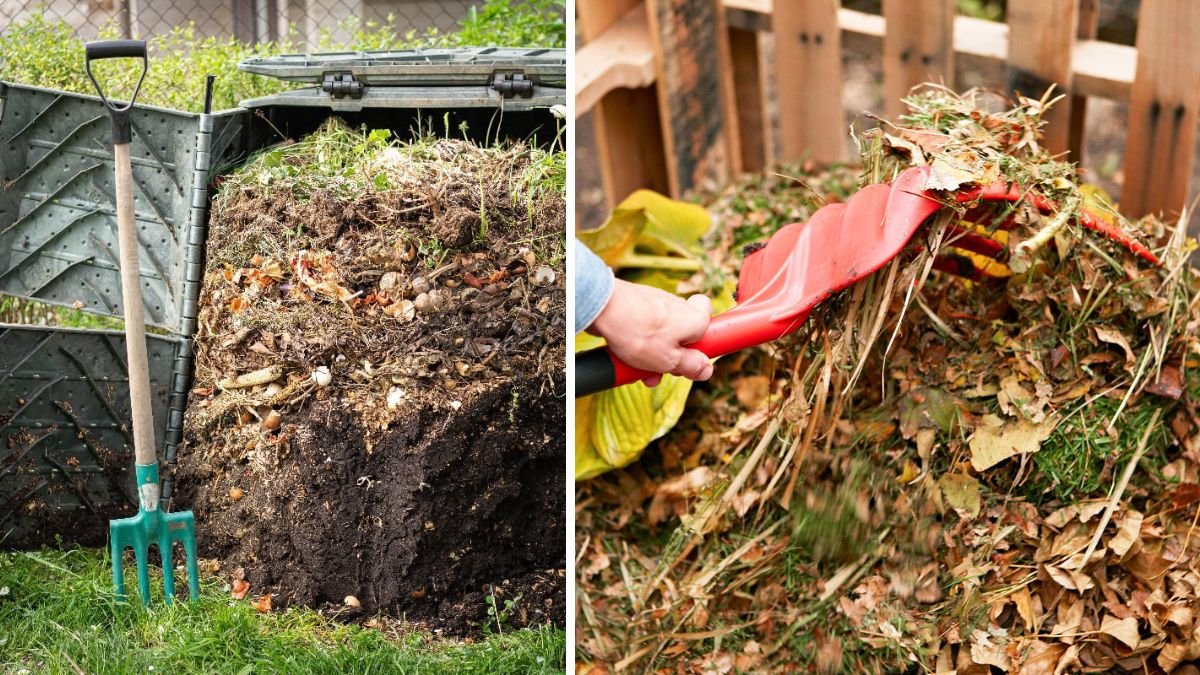
Creating a compost bin at home is one of the simplest ways to reduce waste, improve your garden soil, and contribute to a more sustainable lifestyle. Yet many homeowners hesitate because they think composting is complicated, messy, or smelly. The truth, according to gardening experts, is that starting a compost bin can be ultra-simple—and anyone can do it with minimal effort.
This guide shares six practical, expert-approved ways to begin composting at home, whether you have a backyard, a small patio, or just a kitchen counter.
Why Composting Matters
Composting transforms organic waste—like food scraps and yard debris—into nutrient-rich soil that supports healthy plants. The benefits are numerous:
- Reduces landfill waste: Food and yard waste make up a significant portion of household garbage. Composting diverts this from landfills.
- Enriches garden soil: Compost improves soil structure, water retention, and nutrient content.
- Reduces chemical fertilizer use: Nutrient-rich compost can replace or reduce commercial fertilizers.
- Supports sustainable living: Composting decreases methane emissions and promotes eco-friendly habits.
Experts emphasize that composting is not only environmentally friendly but also cost-effective and accessible for anyone, regardless of garden size.
1. Classic Backyard Compost Bin
- How it works: Place a bin or pile in a corner of your yard. Alternate layers of “greens” (kitchen scraps, grass clippings) and “browns” (leaves, straw, shredded paper).
- Tips from experts:
- Maintain a roughly 2:1 ratio of browns to greens for optimal decomposition.
- Turn the pile weekly with a pitchfork to aerate and speed up composting.
- Keep it moist, like a wrung-out sponge.
Backyard compost bins are ideal for homeowners with space and provide a hands-on approach to recycling organic material.
Latest Posts
- With Just 1 Bottle of Water How I Was Shocked by What Happened When Growing Vegetables
- Maximize Your Home Garden with the Hanging Pea Sprout Growing Model – Space-Saving, High-Yield, and Easy-to-Manage Vertical Gardening Solution
- Just Water – The Secret to Growing Plump, White Peanut Sprouts Right at Home: A Step-by-Step Guide for Beginners
- Growing Zucchini at Home in a Container: How to Cultivate Large, Long Fruits with a 1-to-72 Day Step-by-Step Diary for Maximum Yield
- Grow Long Beans on the Terrace in Used Recycling Baskets: The Ultimate Guide to Easy, Space-Saving, and High-Yield Terrace Gardening
- How to Grow Tons of Long Beans Easily Without a Garden – A Complete Guide to Growing Healthy Yardlong Beans Without Fertilizers or Pesticides
- Easy Long Bean Growing Trick – No Garden, No Fertilizer, No Pesticide
- Grow Bitter Melon in Bottles — Harvest So Big You Can’t Eat It All! The Ultimate Guide to Bottle Gardening for Maximum Yields
- Growing Garlic Made Easy: No Soil, Fast Results – The Ultimate Guide to Growing Fresh Garlic Indoors Without Traditional Soil
- Wall-Mounted Hydroponic Watermelon System: Grow Large, Juicy, and Delicious Watermelons at Home with Minimal Space and Maximum Yield
2. Tumbler Compost Bin
- How it works: A rotating bin allows you to mix compost easily by turning a handle.
- Advantages:
- Speeds up decomposition.
- Minimizes odor.
- Keeps pests away.
- Expert tip: Rotate every few days to maintain airflow and promote uniform decomposition.
Gardeners praise compost tumblers for being tidy, efficient, and perfect for small to medium yards.
3. Vermicomposting with Worms
- How it works: Use red wiggler worms to break down kitchen scraps in a contained bin. The result is worm castings, a nutrient-dense compost.
- Setup tips:
- Use a shallow, ventilated container.
- Layer newspaper or cardboard at the bottom for bedding.
- Feed worms small amounts of fruit and vegetable scraps.
- Expert tip: Avoid feeding worms citrus, onions, or meat, which can harm them or cause odor.
Vermicomposting is perfect for indoor gardeners or those with limited outdoor space, providing rich “black gold” for potted plants.
4. Bokashi Fermentation Method
- How it works: This anaerobic system ferments food scraps using a special inoculated bran. The pre-composted material is later buried in soil or added to a regular compost bin.
- Advantages:
- Handles meat and dairy safely.
- Reduces odor.
- Works indoors in a small container.
- Expert tip: Drain the liquid (Bokashi tea) regularly and use it as a natural fertilizer for plants.
Bokashi is an ideal method for urban dwellers or anyone who wants a fast, odor-controlled composting option.
5. Compost in a Container or Bin on a Patio
- How it works: Use a large plastic or metal bin with a lid, poke ventilation holes, and layer greens and browns inside.
- Benefits:
- Perfect for apartments or homes with small yards.
- Reduces pests and keeps compost contained.
- Can be placed near the kitchen for easy scrap disposal.
- Expert tip: Stir the contents every few days to maintain airflow, and ensure moisture is balanced.
Container composting makes the process convenient and less intimidating for beginners, keeping the kitchen tidy while recycling food scraps.

6. Trench or Pit Composting
- How it works: Dig a hole or trench in your garden and bury organic waste directly in the soil. Cover with dirt and let it decompose naturally.
- Advantages:
- No bin required.
- Fertilizes the soil in place.
- Very low-maintenance.
- Expert tip: Rotate spots annually to avoid soil nutrient depletion and improve aeration.
This method is ideal for gardeners who prefer a “set it and forget it” approach.
Tips for Successful Composting
Experts share several key strategies to ensure your composting efforts succeed:
- Balance Greens and Browns: Too many greens can create a smelly pile; too many browns slow decomposition.
- Maintain Moisture: Compost should be damp but not soggy.
- Aeration is Key: Turning or mixing your compost prevents anaerobic conditions and reduces odor.
- Chop or Shred Large Materials: Smaller pieces decompose faster.
- Watch Temperature: A well-balanced compost pile will generate heat in the center, indicating active decomposition.
- Be Patient: Depending on method and materials, compost can take a few weeks to a year to mature.
By following these tips, even a simple compost setup can produce rich, usable soil for your plants.
Using Your Finished Compost
- Garden beds: Mix compost into flower or vegetable beds to improve fertility and soil structure.
- Potted plants: Add a layer to container plants or mix lightly with potting soil.
- Mulch: Spread a thin layer around plants to retain moisture and suppress weeds.
Experts note that the benefits of compost are cumulative: regular addition to soil improves texture, fertility, and water retention over time.
Common Composting Mistakes to Avoid
- Overwatering: Can cause odor and slow decomposition.
- Adding meat or oily scraps in open bins: Attracts pests.
- Neglecting to turn: Leads to anaerobic decomposition and smell.
- Using treated wood or chemically-laden materials: Can introduce toxins to your compost.
By avoiding these mistakes, composting remains easy, efficient, and rewarding.
Final Thoughts
Starting a compost bin at home doesn’t have to be complicated. Experts agree that any of these six methods—backyard pile, tumbler, vermicomposting, Bokashi, container bin, or trench composting—can work depending on space, lifestyle, and available materials.
The key is to:
- Choose a method that fits your home environment.
- Maintain a balance of greens and browns.
- Ensure proper moisture and airflow.
- Be patient and consistent with care.
By incorporating composting into your routine, you reduce waste, enrich your garden soil, and contribute to a more sustainable household. With just a few simple steps, you can transform scraps into nutrient-rich compost, giving your plants healthier soil and helping the environment one pile at a time.