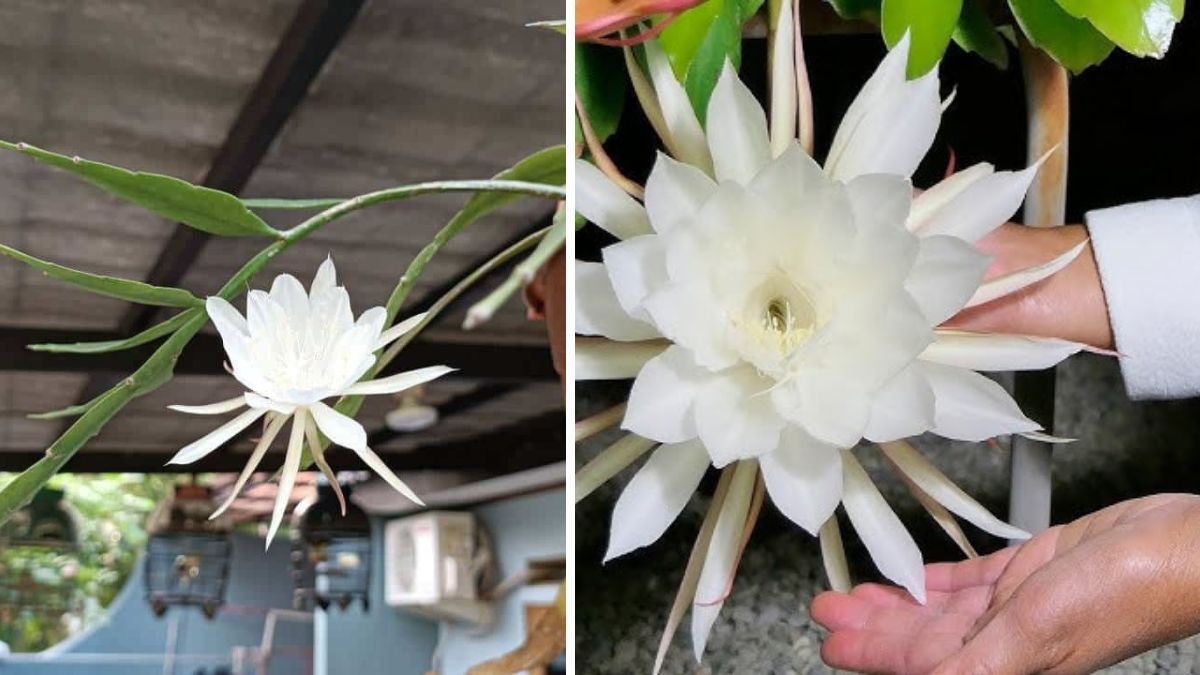
Few plants captivate gardeners quite like the Queen of the Night (Epiphyllum oxypetalum). Known for its dramatic, fragrant blooms that open after dark and last for just one night each year, this cactus is as mysterious as it is beautiful. While it requires some specific care to thrive and bloom reliably, experts agree that with proper attention to light, water, and feeding, you can enjoy this rare spectacle year after year.
This guide explores the care, tips, and tricks for keeping a Queen of the Night healthy and ready to perform its stunning nocturnal show.
Why the Queen of the Night Is Unique
The Queen of the Night is a night-blooming epiphytic cactus native to Central America. Its most striking characteristic is its ephemeral flowers: large, white blooms that release a strong, sweet fragrance after sunset and usually fade by sunrise. Because the bloom is so brief, anticipation is part of the allure.
Key factors that make it special include:

- Nocturnal bloom: Flowers open at night to attract pollinators like moths and bats.
- Short lifespan: Each flower lasts only a few hours.
- Epiphytic growth habit: Unlike ground cacti, it naturally grows on other plants, requiring well-draining soil and occasional moisture.
Experts emphasize that the plant’s annual flowering event is a reward for patient care throughout the year.
Latest Posts
- With Just 1 Bottle of Water How I Was Shocked by What Happened When Growing Vegetables
- Maximize Your Home Garden with the Hanging Pea Sprout Growing Model – Space-Saving, High-Yield, and Easy-to-Manage Vertical Gardening Solution
- Just Water – The Secret to Growing Plump, White Peanut Sprouts Right at Home: A Step-by-Step Guide for Beginners
- Growing Zucchini at Home in a Container: How to Cultivate Large, Long Fruits with a 1-to-72 Day Step-by-Step Diary for Maximum Yield
- Grow Long Beans on the Terrace in Used Recycling Baskets: The Ultimate Guide to Easy, Space-Saving, and High-Yield Terrace Gardening
- How to Grow Tons of Long Beans Easily Without a Garden – A Complete Guide to Growing Healthy Yardlong Beans Without Fertilizers or Pesticides
- Easy Long Bean Growing Trick – No Garden, No Fertilizer, No Pesticide
- Grow Bitter Melon in Bottles — Harvest So Big You Can’t Eat It All! The Ultimate Guide to Bottle Gardening for Maximum Yields
- Growing Garlic Made Easy: No Soil, Fast Results – The Ultimate Guide to Growing Fresh Garlic Indoors Without Traditional Soil
- Wall-Mounted Hydroponic Watermelon System: Grow Large, Juicy, and Delicious Watermelons at Home with Minimal Space and Maximum Yield
Choosing the Right Location
Proper placement is crucial for healthy growth and flowering:
- Light: Bright, indirect light is ideal. Avoid direct midday sun, which can scorch leaves. Morning sunlight or filtered light is perfect.
- Temperature: Thrives in 60–85°F (16–29°C). Protect it from frost.
- Indoor vs. Outdoor: Can be grown outdoors in warm climates or indoors in pots where light and temperature are controlled.
Horticulturists note that adequate indirect light is one of the most important factors in ensuring blooms each year.
Potting and Soil Requirements
- Soil mix: Use a well-draining cactus or orchid mix, often combined with perlite or coarse sand.
- Pot selection: Choose a container with drainage holes to prevent root rot. Hanging baskets work well for trailing stems.
- Repotting frequency: Every 2–3 years is typically sufficient, and only when the plant has outgrown its pot.
Experts advise replicating the epiphytic environment: airy soil, good drainage, and slightly snug roots encourage healthier growth and flowering.

Watering Guidelines
- During growth: Water regularly when the top 1–2 inches of soil are dry, typically once a week in warmer months.
- Dormancy period: Reduce watering during winter, allowing the plant to rest.
- Avoid overwatering: Standing water or soggy soil can lead to root rot.
Cleaning pros and horticulturists agree that the key is balancing moisture with drainage, mimicking the plant’s natural epiphytic environment.
Fertilization and Feeding
- Growing season: Apply a balanced, water-soluble fertilizer every 2–4 weeks from spring to early autumn.
- Flowering support: Fertilizers high in phosphorus can encourage blooms.
- Dormant period: Stop or reduce fertilization in winter.
Experts recommend alternating a standard houseplant fertilizer with a bloom-promoting one to maximize flowering potential.
Pruning and Maintenance
- Timing: Prune after flowering to maintain shape and remove old or damaged stems.
- Method: Use clean, sharp scissors or pruning shears.
- Encouraging blooms: Light pruning stimulates new growth, which is more likely to produce flowers in the next cycle.
Regular maintenance also improves air circulation, reducing the risk of fungal infections.
Encouraging the One-Night Bloom
Flowering in Queen of the Night can be elusive. Experts share these tips for boosting bloom potential:

- Mature plant: Most plants flower after 3–5 years. Patience is key.
- Seasonal cues: Flowering often occurs in summer when days are longer and nights are warm.
- Proper light and temperature: Bright indirect light and slightly cooler nights can trigger flowering.
- Moderate stress: Slightly restricting water in winter can simulate natural cycles and promote bloom readiness.
- Regular feeding: Balanced fertilization ensures strong, healthy stems that can support flowers.
Horticulturists emphasize that even with perfect care, blooms may not appear every year, making the event all the more special.
Dealing with Pests and Diseases
Even though Queen of the Night is relatively hardy, it can face a few common issues:
- Mealybugs and aphids: Can infest stems and flower buds. Treat with insecticidal soap or neem oil.
- Fungal issues: Root or stem rot can occur if the soil is too wet. Ensure proper drainage and avoid overwatering.
- Leaf discoloration: Yellowing may indicate overwatering, nutrient deficiency, or insufficient light.
Experts recommend regular inspection, especially before flowering season, to keep the plant healthy and prevent last-minute flower loss.
Propagation Tips
Queen of the Night is relatively easy to propagate from cuttings:

- Select healthy stems: Choose a firm, mature stem 6–12 inches long.
- Allow to callous: Let the cutting dry for several days to prevent rot.
- Plant in well-draining soil: Use cactus or orchid mix and water lightly.
- Root development: Keep in indirect light and moderate humidity; roots form in a few weeks.
Propagation allows you to expand your collection or share this rare beauty with friends.
Indoor Care and Display
- Hanging baskets: Ideal for trailing stems and airflow.
- Support structures: Use stakes or trellises for long stems.
- Fragrance enjoyment: Position near windows or seating areas to enjoy the nocturnal scent.
Experts say that thoughtful placement enhances both aesthetic appeal and the likelihood of flowering.
Seasonal Care Summary
- Spring/Summer: Regular watering, bright indirect light, fertilization, pruning as needed.
- Fall: Gradually reduce water, maintain light exposure, stop fertilization by late autumn.
- Winter: Minimal water, maintain temperatures above 55°F, protect from drafts.
Maintaining seasonal cycles supports the plant’s natural growth and flowering rhythm.
Final Thoughts
The Queen of the Night is a stunning plant that rewards patient and attentive care. Experts highlight that success comes from understanding its unique needs:

- Provide bright, indirect light
- Use well-draining, epiphytic-style soil
- Balance watering with its natural dormancy
- Fertilize during active growth
- Prune lightly to encourage new stems
- Maintain proper seasonal care and monitor for pests
While its blooms last only one night, a healthy plant can provide this magical display year after year. For indoor or patio gardeners looking to add drama, fragrance, and wonder, the Queen of the Night is a truly unforgettable addition.
By following these expert tips, your Queen of the Night can grow vigorously, stay healthy, and reward you with one of nature’s most ephemeral yet enchanting floral spectacles.