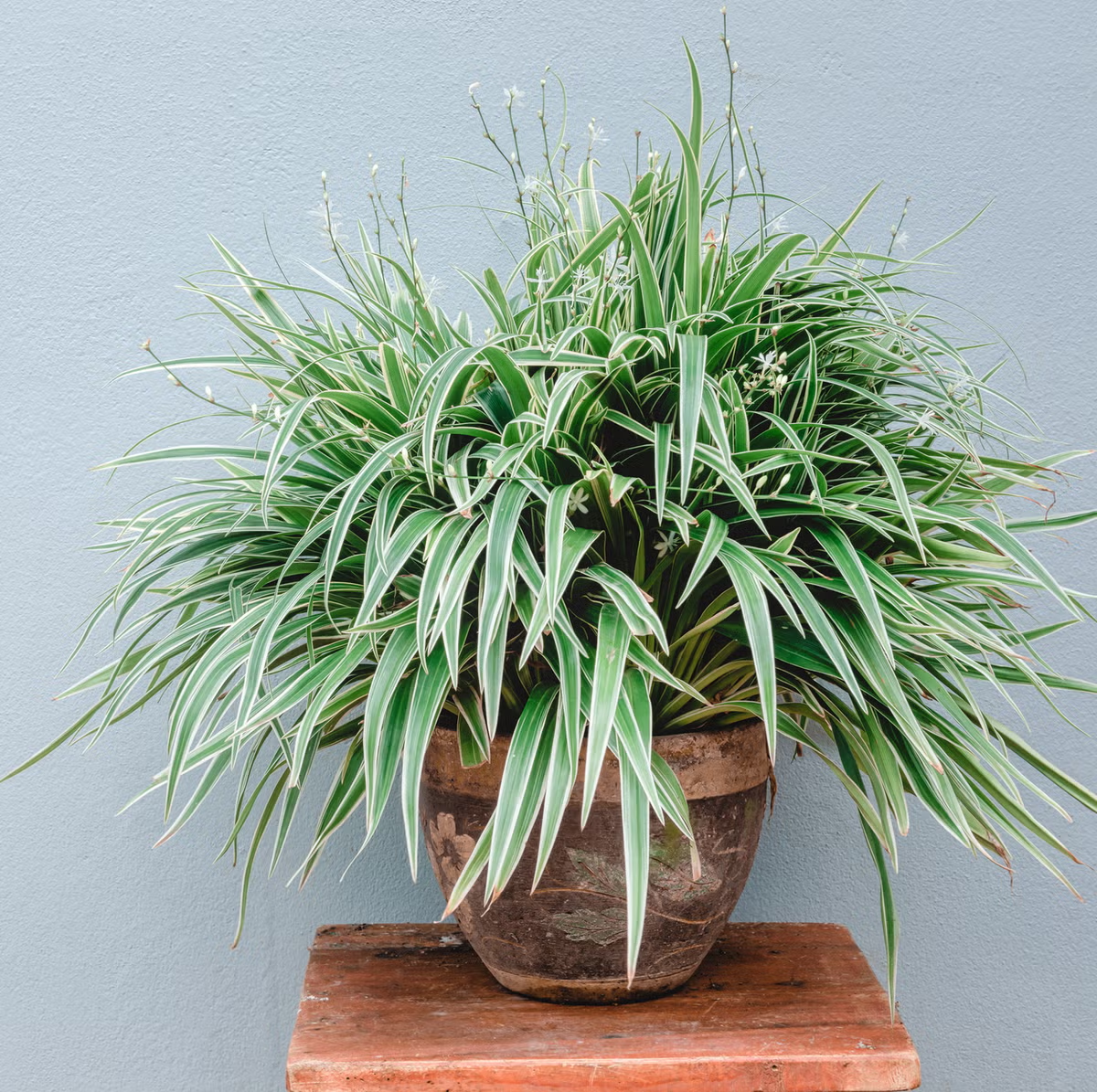
Spider plants (Chlorophytum comosum) are among the most popular houseplants worldwide, prized for their air-purifying qualities, hardiness, and distinctive arching foliage. Most people know them for their “babies” or plantlets, but many are surprised to learn that spider plants can bloom, producing delicate white flowers that eventually lead to new plantlets.
If your spider plant has never flowered, don’t worry—it’s not a sign of neglect. Flowering depends on several key factors that influence whether your plant decides to bloom. Let’s explore three main determining factors and how to encourage your spider plant to flower.
Factor 1: Plant Maturity and Size
One of the biggest reasons spider plants don’t bloom is simply that they aren’t mature enough.
- Age matters: Spider plants typically need to be at least 1–2 years old before they have the energy to produce flowers. Young plants focus on establishing roots and producing foliage rather than reproductive growth.
- Size matters: A healthy, full spider plant with multiple arching leaves is more likely to bloom. Crowded, stressed, or small plants may postpone flowering.
Tips to encourage flowering based on maturity:

- Allow the plant to grow naturally and avoid excessive pruning of foliage.
- Repot only when roots are crowded; too much disturbance can stress the plant.
- Provide consistent care for at least a year to allow the plant to reach a size suitable for flowering.
Essentially, a healthy, mature spider plant is more likely to show off its delicate flowers.
Latest Posts
- With Just 1 Bottle of Water How I Was Shocked by What Happened When Growing Vegetables
- Maximize Your Home Garden with the Hanging Pea Sprout Growing Model – Space-Saving, High-Yield, and Easy-to-Manage Vertical Gardening Solution
- Just Water – The Secret to Growing Plump, White Peanut Sprouts Right at Home: A Step-by-Step Guide for Beginners
- Growing Zucchini at Home in a Container: How to Cultivate Large, Long Fruits with a 1-to-72 Day Step-by-Step Diary for Maximum Yield
- Grow Long Beans on the Terrace in Used Recycling Baskets: The Ultimate Guide to Easy, Space-Saving, and High-Yield Terrace Gardening
- How to Grow Tons of Long Beans Easily Without a Garden – A Complete Guide to Growing Healthy Yardlong Beans Without Fertilizers or Pesticides
- Easy Long Bean Growing Trick – No Garden, No Fertilizer, No Pesticide
- Grow Bitter Melon in Bottles — Harvest So Big You Can’t Eat It All! The Ultimate Guide to Bottle Gardening for Maximum Yields
- Growing Garlic Made Easy: No Soil, Fast Results – The Ultimate Guide to Growing Fresh Garlic Indoors Without Traditional Soil
- Wall-Mounted Hydroponic Watermelon System: Grow Large, Juicy, and Delicious Watermelons at Home with Minimal Space and Maximum Yield
Factor 2: Light Conditions
Light plays a critical role in flowering. Spider plants are adaptable to low light, but flowers are more likely when the plant receives bright, indirect sunlight.
- Optimal light: Place your spider plant near an east- or west-facing window where it receives filtered sunlight. Too much direct sun can scorch leaves, while too little light may suppress flowering altogether.
- Day length matters: Spider plants are sensitive to photoperiods, which means that longer daylight hours can encourage bloom production.
Tips for encouraging blooms with light:
- Rotate the plant regularly so all sides receive light evenly.
- Consider supplemental grow lights during darker winter months to simulate bright conditions.
- Avoid sudden changes in light, which can stress the plant and delay flowering.
A spider plant basking in ideal lighting conditions is much more likely to produce flowers, usually on long arching stems.

Factor 3: Environmental Stress and Care
Surprisingly, mild environmental stress can trigger flowering in spider plants. In nature, reproduction is often stimulated when the plant senses that it has matured enough to survive challenging conditions.
- Temperature: Spider plants thrive between 65–75°F (18–24°C). Cooler nights in winter can sometimes encourage flower spike production.
- Watering: Avoid overwatering, as constantly soggy soil can stunt growth. Allow soil to dry slightly between waterings.
- Fertilization: Feed your plant with a balanced liquid fertilizer during the growing season (spring and summer) to provide nutrients for blooms. Too much nitrogen encourages leaf growth over flowers, so moderation is key.
Tips for encouraging blooms via stress management:
- Slightly reduce watering in late summer or early fall to mimic seasonal change.
- Avoid overfertilizing—use a fertilizer with a slightly higher phosphorus content to encourage flowers.
- Ensure the plant is in a stable environment without sudden drafts or drastic temperature changes.
The idea is to strike a balance between healthy care and mild environmental cues that encourage flowering.
What Spider Plant Flowers Look Like
When your spider plant blooms, you’ll see small, star-shaped white flowers that appear on long stems, often above the foliage. Each flower lasts a few days, but a healthy flowering stem can produce multiple blooms over time.

- After flowering: Spider plant flowers often develop into plantlets or “babies”, which can be propagated to grow new plants.
- Longevity: Even if a plant doesn’t flower often, proper care can encourage blooms once it reaches maturity and receives the right environmental signals.
Bonus Tips to Encourage Spider Plant Flowers
- Repot in spring if the plant is root-bound; slightly crowded roots can sometimes encourage flowering.
- Use bright, indirect light consistently; avoid moving the plant frequently.
- Fertilize moderately—a high-nitrogen fertilizer encourages foliage, whereas moderate phosphorus and potassium promote blooms.
- Maintain consistent watering—avoid extremes of drought or soggy soil.
- Be patient: Spider plants are naturally slow to flower indoors. Even under ideal conditions, it may take 2–3 years for blooms to appear.
Common Questions About Spider Plant Flowers
Q: Can spider plants flower indoors?
Yes! Many indoor spider plants bloom when mature and provided with proper light, water, and nutrition.
Q: Do all spider plants produce flowers?
Not all, but most healthy, mature plants will eventually flower under the right conditions.
Q: Will flowering harm my spider plant?
No, flowering is natural and healthy. It can even lead to new plantlets, giving you more plants to propagate.
Q: How do I propagate plantlets after flowering?
Plantlets form on long stems after flowering. Simply cut and root them in soil or water to create new plants.

Final Thoughts
Spider plants are more than just easy-care houseplants—they are flowering wonders waiting for the right conditions to show their blooms. Flowering depends on three key factors:
- Plant maturity and size – A healthy, mature plant is more likely to bloom.
- Light conditions – Bright, indirect sunlight encourages flowers.
- Environmental stress and care – Moderate watering, appropriate fertilization, and stable temperatures stimulate flowering.
By understanding and optimizing these factors, you can encourage your spider plant to bloom, adding delicate white flowers and even new plantlets to your indoor garden.
Next time you admire your spider plant’s arching leaves, remember: with patience and the right conditions, it may surprise you with a spectacular floral display!
