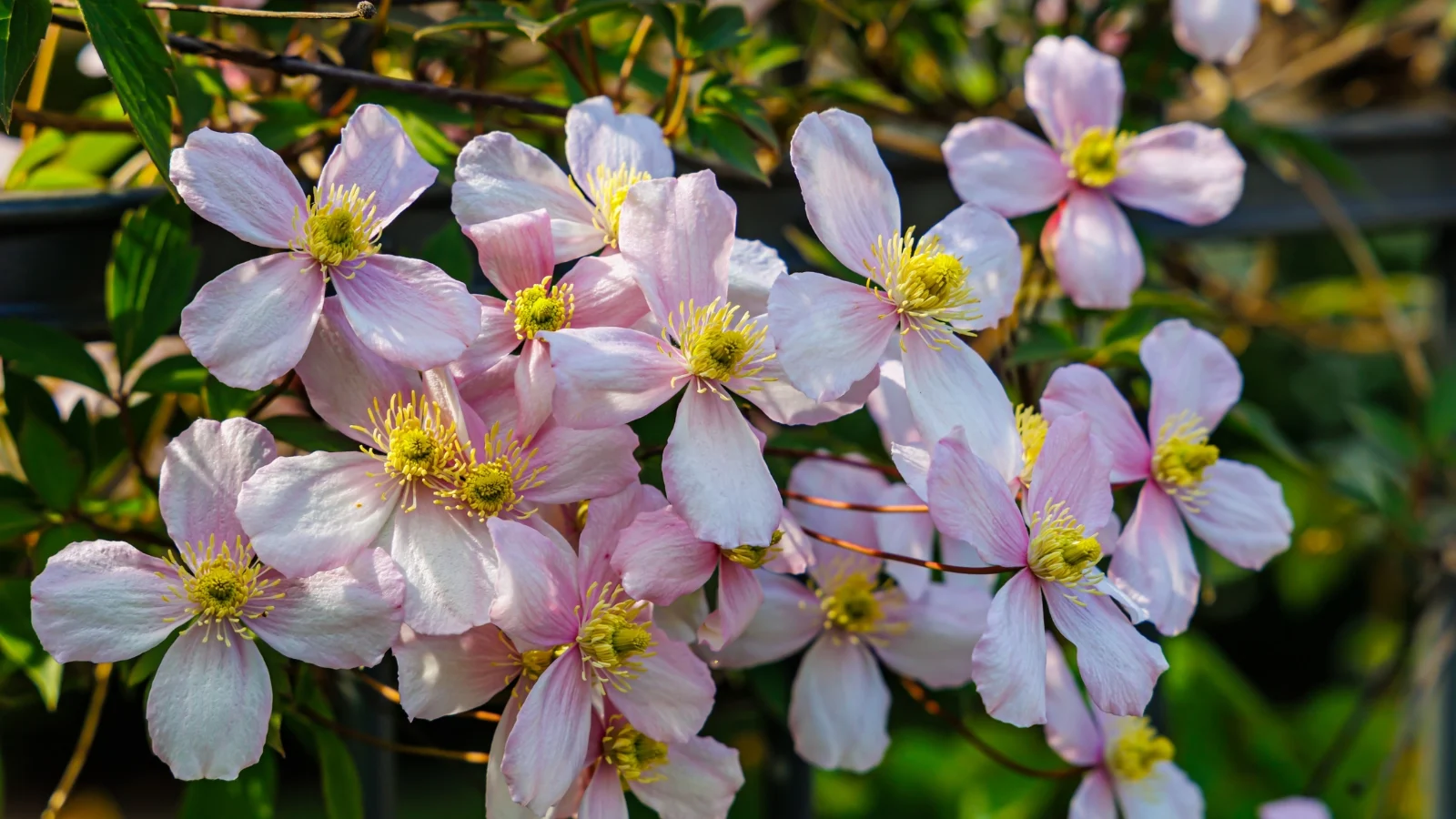
Clematis is one of the most beloved climbing plants in gardens worldwide, prized for its show-stopping blooms, vibrant colors, and climbing versatility. Whether trained along a trellis, fence, or arbor, clematis can turn a blank wall into a floral masterpiece. However, to keep it healthy, blooming abundantly, and looking neat, proper pruning is essential.
For beginners, pruning clematis may seem intimidating, but with the right knowledge, it becomes a straightforward task that ensures bigger, longer-lasting blooms year after year.
Why Pruning Clematis Matters
Pruning is crucial for clematis for several reasons:
- Encourages healthy growth: Removing dead or weak stems reduces disease and improves airflow.
- Promotes abundant blooms: Many clematis varieties bloom on new growth, so cutting back stimulates flowering.
- Controls size and shape: Pruning prevents your vine from overtaking structures or other plants.
- Removes deadwood: Old stems that no longer flower can be safely removed.
Without pruning, clematis can become overgrown, tangled, and produce fewer flowers.
Know Your Clematis Pruning Group
Clematis varieties are divided into three pruning groups. Knowing your plant’s group determines how and when to prune.
Latest Posts
- With Just 1 Bottle of Water How I Was Shocked by What Happened When Growing Vegetables
- Maximize Your Home Garden with the Hanging Pea Sprout Growing Model – Space-Saving, High-Yield, and Easy-to-Manage Vertical Gardening Solution
- Just Water – The Secret to Growing Plump, White Peanut Sprouts Right at Home: A Step-by-Step Guide for Beginners
- Growing Zucchini at Home in a Container: How to Cultivate Large, Long Fruits with a 1-to-72 Day Step-by-Step Diary for Maximum Yield
- Grow Long Beans on the Terrace in Used Recycling Baskets: The Ultimate Guide to Easy, Space-Saving, and High-Yield Terrace Gardening
- How to Grow Tons of Long Beans Easily Without a Garden – A Complete Guide to Growing Healthy Yardlong Beans Without Fertilizers or Pesticides
- Easy Long Bean Growing Trick – No Garden, No Fertilizer, No Pesticide
- Grow Bitter Melon in Bottles — Harvest So Big You Can’t Eat It All! The Ultimate Guide to Bottle Gardening for Maximum Yields
- Growing Garlic Made Easy: No Soil, Fast Results – The Ultimate Guide to Growing Fresh Garlic Indoors Without Traditional Soil
- Wall-Mounted Hydroponic Watermelon System: Grow Large, Juicy, and Delicious Watermelons at Home with Minimal Space and Maximum Yield
Group 1 – Early Bloomers
- Bloom on old wood (last year’s growth) in early spring.
- Examples: Clematis montana, Clematis alpina.
- Pruning guide: Minimal pruning; remove dead or damaged stems after flowering. Light shaping is all that’s needed.
Group 2 – Large-Flowered Hybrids (Repeat Bloomers)
- Bloom on both old and new wood, typically in late spring and again in summer.
- Examples: Clematis ‘Nelly Moser,’ Clematis ‘Jackmanii.’
- Pruning guide:
- Early spring: Remove dead stems.
- Lightly trim remaining stems to about 12–18 inches from the base to encourage stronger growth and repeat blooms.
Group 3 – Late Bloomers
- Bloom on new wood only, producing flowers in mid-to-late summer or fall.
- Examples: Clematis ‘Sweet Autumn,’ Clematis viticella.
- Pruning guide:
- Cut all stems back to 12–18 inches from the ground in early spring.
- These vigorous growers reward hard pruning with abundant flowers.
Tools You’ll Need
Using the right tools makes pruning safer and more effective:
- Sharp bypass pruners: For small stems
- Loppers: For thicker vines
- Gloves: Protect your hands from scratches
- Disinfectant: Clean tools between cuts to prevent disease spread
Sharp tools make clean cuts, which heal faster and reduce stress on the plant.
Step-by-Step Clematis Pruning Guide
Step 1: Identify the pruning group
- Check the plant label or consult a nursery guide
- Knowing whether your clematis blooms on old, new, or both types of wood ensures you prune correctly
Step 2: Remove dead or damaged stems
- Cut dead, diseased, or weak stems back to healthy growth
- Look for brown or shriveled sections as a sign of deadwood
Step 3: Thin out crowded growth
- Remove excess stems to improve airflow and reduce disease
- Aim for a well-spaced, open framework
Step 4: Shape the plant
- Trim stems lightly to maintain a tidy shape
- For repeat bloomers, cut some stems back to encourage stronger side shoots
Step 5: Train vines
- After pruning, gently tie new growth to supports
- Direct vines along trellises, fences, or arches to maximize bloom display
Pruning Tips for Beginners
- Prune at the right time: Early spring is ideal for most varieties. For early bloomers, prune after flowering.
- Don’t be afraid to cut: Clematis is resilient. Even hard pruning will usually result in vigorous new growth.
- Clean cuts heal faster: Cut at a 45-degree angle just above a healthy bud.
- Observe bud location: Trim above a bud pointing outward for outward growth and better coverage.
- Leave some stems for structure: Especially for climbing clematis, some old wood helps the vine anchor to supports.
Common Mistakes to Avoid
- Pruning at the wrong time: Pruning early bloomers too hard in spring can remove all flowers.
- Ignoring deadwood: Dead or damaged stems left unpruned can harbor disease.
- Cutting all stems indiscriminately: Especially for repeat bloomers, this can reduce flowering potential.
- Neglecting to tie vines: Untied vines can sprawl and break, reducing flower production.
Fertilizing After Pruning
Pruning is the perfect time to feed your clematis:
- Use a balanced fertilizer or one high in phosphorus to promote blooms
- Apply compost or well-rotted manure around the base
- Water thoroughly after fertilizing to help nutrients reach the roots
A healthy, nourished clematis produces bigger flowers and more abundant blooms.
Mulching and Winter Care
- Mulch around the base to retain moisture and protect roots from frost
- Apply 2–3 inches of organic mulch like compost or shredded bark
- For late bloomers, pruning before winter encourages strong growth in spring
Encouraging Bigger, Longer Blooms
- Prune according to the group: This is the key to maximizing flower production
- Remove spent flowers: Deadheading repeat bloomers encourages more blooms
- Provide strong support: Vines need trellises or arbors to grow upward and showcase blooms
- Water consistently: Clematis roots prefer moist, well-draining soil
- Monitor for pests: Aphids and slugs can affect foliage and flowering
Seasonal Summary for Pruning Clematis
| Pruning Group | Bloom Time | Pruning Time | Pruning Method |
|---|---|---|---|
| Group 1 | Early spring | After flowering | Minimal; remove dead/damaged stems |
| Group 2 | Late spring / summer | Early spring | Light trimming; remove dead wood |
| Group 3 | Mid-late summer | Early spring | Hard prune to 12–18 in from ground |
Final Thoughts
Pruning clematis is less about restriction and more about guiding growth and encouraging blooms. With the right timing, knowledge of pruning groups, and a few simple tools, even a beginner can transform a tangled vine into a stunning floral display.
Remember:
- Identify your clematis group
- Remove dead or damaged wood
- Thin crowded stems for airflow
- Shape and train vines on supports
- Fertilize and mulch to support strong growth
By following these beginner-friendly steps, your clematis will reward you with vibrant, abundant flowers year after year, turning any trellis, fence, or arbor into a living, blooming masterpiece.