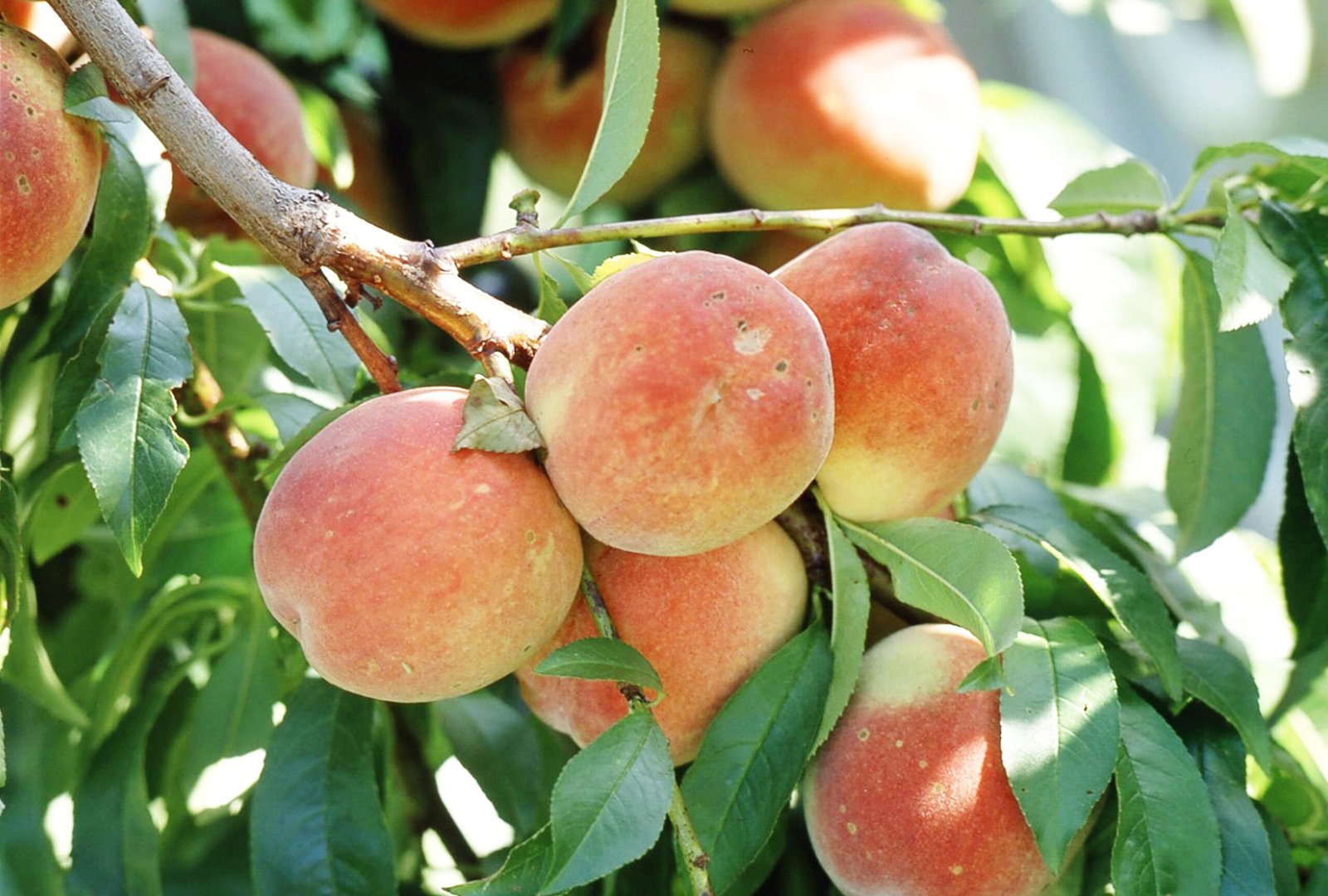
Pruning peach trees is one of the most important steps to ensuring a healthy tree and bountiful harvest. While it may seem intimidating at first, proper pruning encourages strong growth, improves sunlight penetration, and increases the size and quality of the fruit.
Whether you’re a first-time peach grower or looking to improve yields, this guide will walk you through when, how, and why to prune peach trees for bigger, juicier harvests.
Why Pruning Matters
Pruning does more than just shape your tree. Its main benefits include:

- Encourages fruiting: Peach trees bear fruit on one-year-old wood. Pruning stimulates new growth for next season’s harvest.
- Improves sunlight exposure: Sunlight is essential for fruit ripening and disease prevention.
- Controls size: Keeps trees manageable for harvesting and maintenance.
- Reduces disease and pest problems: Removing dead or crowded branches improves air circulation.
Skipping pruning can lead to overcrowded branches, small fruit, and decreased yields over time.
When to Prune Peach Trees
Timing is critical for successful pruning:
Latest Posts
- With Just 1 Bottle of Water How I Was Shocked by What Happened When Growing Vegetables
- Maximize Your Home Garden with the Hanging Pea Sprout Growing Model – Space-Saving, High-Yield, and Easy-to-Manage Vertical Gardening Solution
- Just Water – The Secret to Growing Plump, White Peanut Sprouts Right at Home: A Step-by-Step Guide for Beginners
- Growing Zucchini at Home in a Container: How to Cultivate Large, Long Fruits with a 1-to-72 Day Step-by-Step Diary for Maximum Yield
- Grow Long Beans on the Terrace in Used Recycling Baskets: The Ultimate Guide to Easy, Space-Saving, and High-Yield Terrace Gardening
- How to Grow Tons of Long Beans Easily Without a Garden – A Complete Guide to Growing Healthy Yardlong Beans Without Fertilizers or Pesticides
- Easy Long Bean Growing Trick – No Garden, No Fertilizer, No Pesticide
- Grow Bitter Melon in Bottles — Harvest So Big You Can’t Eat It All! The Ultimate Guide to Bottle Gardening for Maximum Yields
- Growing Garlic Made Easy: No Soil, Fast Results – The Ultimate Guide to Growing Fresh Garlic Indoors Without Traditional Soil
- Wall-Mounted Hydroponic Watermelon System: Grow Large, Juicy, and Delicious Watermelons at Home with Minimal Space and Maximum Yield
Dormant Season (Late Winter / Early Spring)
- Best time for heavy pruning
- Trees are dormant, making it easier to see their structure
- Reduces stress on the tree
Summer Pruning
- Light pruning or thinning
- Helps control overly vigorous shoots
- Allows more sunlight into the canopy
Expert tip: Avoid pruning during fall or late winter freeze periods, as it can make trees more vulnerable to winter injury.

Tools You’ll Need
Having the right tools makes pruning safer and more effective:
- Hand pruners: For small twigs and shoots
- Loppers: For branches up to 2 inches thick
- Pruning saw: For larger limbs
- Gloves and safety glasses: Protect your hands and eyes
- Disinfectant: Prevents spreading diseases between trees
Keep tools sharp for clean cuts that heal quickly.
Understanding Peach Tree Structure
Peach trees produce fruit on one-year-old wood, so knowing which branches are productive is key.
- Scaffold branches: Main limbs forming the tree’s structure
- Water sprouts: Fast-growing vertical shoots, usually removed
- Suckers: Shoots from the base; remove to focus energy on fruiting branches
A well-pruned peach tree has an open center, allowing light and air to reach every branch.
Step-by-Step Pruning Guide
1. Remove Dead, Diseased, or Damaged Wood
- Cut out any branches that are broken, brown, or diseased
- Disinfect cuts to prevent spreading pathogens
2. Eliminate Crossing or Crowded Branches
- Remove branches that rub against each other
- Thin the canopy to improve airflow and light penetration
3. Cut Back Vigorous Water Sprouts
- These shoots rarely bear fruit and steal energy from productive branches
- Prune them back to a lateral branch or the main scaffold
4. Shape the Tree: Open Center Method
- Aim for a vase-like structure with 3–5 main scaffold branches
- Remove inward-growing branches to maintain an open center
- Ensure branches are evenly spaced and angled for sunlight
5. Shorten Fruit-Bearing Wood
- Trim last year’s growth back by 1/3 to 1/2
- Encourages new shoots for next year’s fruit
- Supports larger, higher-quality peaches
Tips for Maximizing Harvest
- Thin Fruit
- After fruit set, remove small or crowded peaches
- Space fruit about 6 inches apart for bigger, juicier results
- Avoid Over-Pruning
- Cutting too much can reduce current-year fruit
- Focus on removing problem branches and encouraging new fruiting wood
- Fertilize After Pruning
- Helps the tree recover and produce strong shoots
- Balanced fertilizer or one with slightly higher nitrogen supports growth
- Water Consistently
- Especially during fruit development
- Deep watering encourages strong root growth
Common Mistakes to Avoid
- Pruning too late: Late pruning can reduce next season’s fruit
- Ignoring water sprouts and suckers: These sap energy from fruiting branches
- Not disinfecting tools: Can spread disease, especially bacterial leaf curl
- Overcrowding branches: Leads to poor air circulation, smaller fruit, and disease
Seasonal Considerations
- Winter Dormancy: Ideal for structural pruning
- Spring Bloom: Light trimming, removing any winter-damaged wood
- Summer: Remove excess growth and maintain shape
- Fall: Only remove dead wood, avoid heavy cuts before frost
Encouraging Bigger Fruit
Pruning alone doesn’t guarantee bigger peaches—combined care ensures the best results:
- Sunlight: Full sun exposure is critical for sweet, large fruit
- Soil nutrition: Fertilize with a balanced fertilizer, and consider micronutrients like magnesium and zinc
- Irrigation: Consistent moisture prevents small, dry fruit
- Pest and disease management: Healthy trees produce larger fruit
Signs Your Tree is Healthy After Pruning
- Strong, new shoots emerging in spring
- Open canopy with good sunlight penetration
- Fewer crowded or crossing branches
- Larger, evenly spaced fruit on production branches
Final Thoughts
Pruning peach trees may seem daunting at first, but with the right timing, technique, and tools, it becomes a rewarding way to boost harvests and improve tree health.
Key takeaways:
- Prune during late winter or early spring for best results
- Remove dead, damaged, and overcrowded branches
- Open the center for light and airflow
- Cut back fruiting wood to stimulate next season’s growth
- Combine pruning with proper watering, fertilization, and thinning for bigger, juicier peaches
With a little patience and attention, your peach trees can produce more fruit, higher quality peaches, and a healthier, more attractive tree—turning every growing season into a fruitful success.