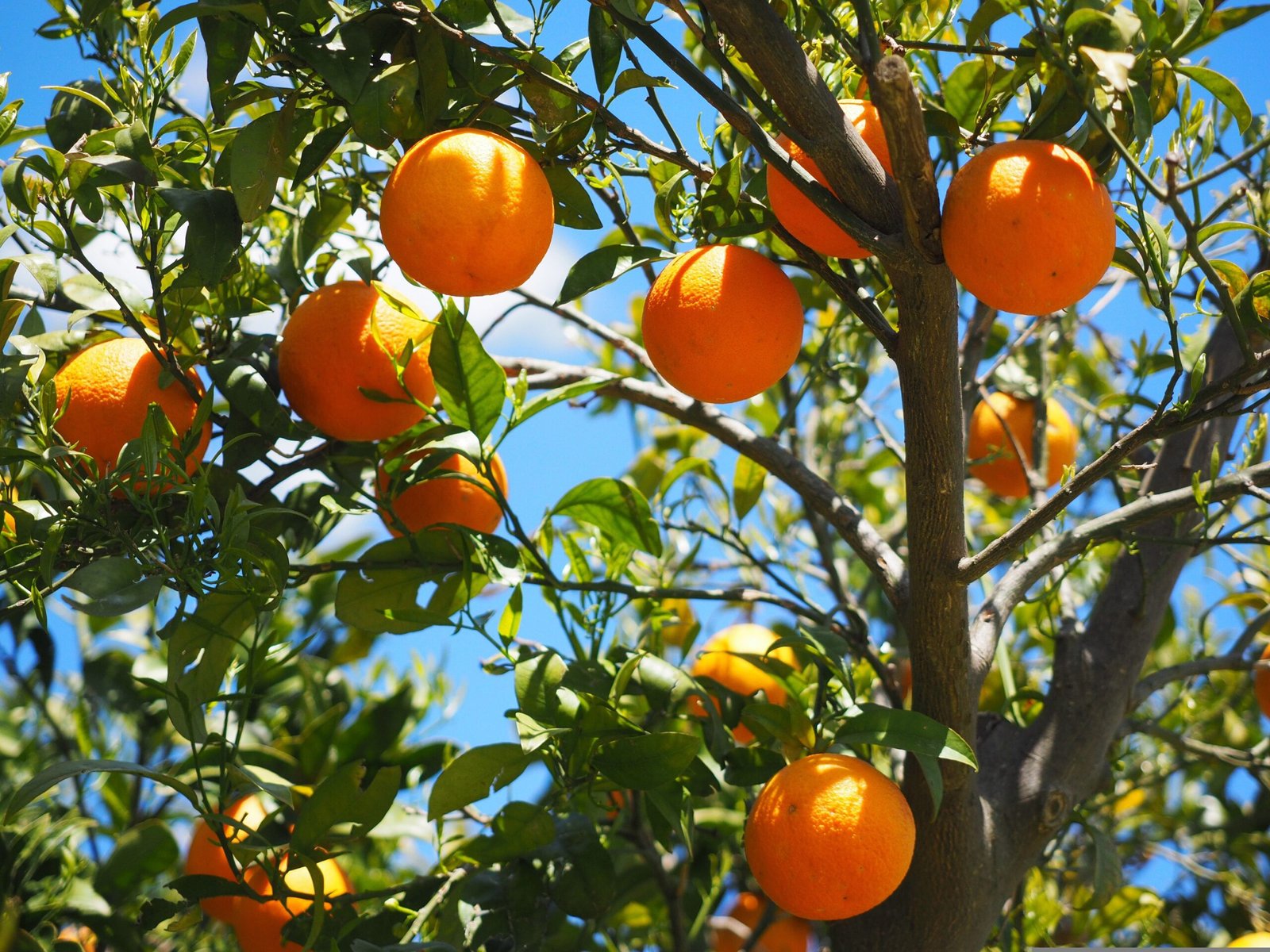
Citrus trees—whether oranges, lemons, limes, or mandarins—bring not just beauty to your garden, but also a bounty of fresh, juicy fruit. While these trees are relatively low-maintenance, proper fertilization is crucial for healthy growth, vibrant foliage, and abundant fruit production.
To get the best results, it’s important to know when to fertilize, which nutrients are essential, and how to apply fertilizer safely. Here’s what fruit-growing experts recommend for citrus tree care.
Why Fertilizing Citrus Trees Matters
Fertilizers supply the nutrients citrus trees need that might not be fully available in your soil. Key benefits include:
- Promotes vigorous growth: Fertilizers support the development of leaves, stems, and roots.
- Enhances fruit production: Proper nutrition increases both the quantity and quality of fruit.
- Prevents deficiencies: Yellowing leaves, poor fruit set, or leaf drop can result from nutrient shortages.
Citrus trees are heavy feeders. Even mature trees benefit from regular fertilization to maintain health and productivity.
Essential Nutrients for Citrus Trees
Citrus trees require three primary macronutrients:
Latest Posts
- With Just 1 Bottle of Water How I Was Shocked by What Happened When Growing Vegetables
- Maximize Your Home Garden with the Hanging Pea Sprout Growing Model – Space-Saving, High-Yield, and Easy-to-Manage Vertical Gardening Solution
- Just Water – The Secret to Growing Plump, White Peanut Sprouts Right at Home: A Step-by-Step Guide for Beginners
- Growing Zucchini at Home in a Container: How to Cultivate Large, Long Fruits with a 1-to-72 Day Step-by-Step Diary for Maximum Yield
- Grow Long Beans on the Terrace in Used Recycling Baskets: The Ultimate Guide to Easy, Space-Saving, and High-Yield Terrace Gardening
- How to Grow Tons of Long Beans Easily Without a Garden – A Complete Guide to Growing Healthy Yardlong Beans Without Fertilizers or Pesticides
- Easy Long Bean Growing Trick – No Garden, No Fertilizer, No Pesticide
- Grow Bitter Melon in Bottles — Harvest So Big You Can’t Eat It All! The Ultimate Guide to Bottle Gardening for Maximum Yields
- Growing Garlic Made Easy: No Soil, Fast Results – The Ultimate Guide to Growing Fresh Garlic Indoors Without Traditional Soil
- Wall-Mounted Hydroponic Watermelon System: Grow Large, Juicy, and Delicious Watermelons at Home with Minimal Space and Maximum Yield
- Nitrogen (N)
- Encourages leafy growth and strong stems
- Deficiency signs: Pale green or yellow leaves, slow growth
- Phosphorus (P)
- Supports root development and flowering
- Deficiency signs: Poor flowering or fruit set, stunted growth
- Potassium (K)
- Vital for fruit quality, sugar content, and disease resistance
- Deficiency signs: Fruit drop, brown leaf edges, poor fruit flavor
In addition to NPK, citrus trees need micronutrients:
- Magnesium, iron, zinc, manganese, copper, boron
- Deficiencies can cause leaf yellowing, spots, or curling
Most citrus-specific fertilizers are formulated to provide both macro- and micronutrients.
When to Fertilize Citrus Trees
Timing is crucial. Fertilize at key growth stages for maximum benefit:

1. Early Spring (Before New Growth)
- Apply a balanced fertilizer before leaves and shoots emerge.
- Encourages strong spring growth and flowering.
2. Summer (Active Growth)
- Fertilize every 6–8 weeks during active growth for young trees.
- Supports fruit set and development.
3. Fall (Late Season)
- Use caution: Fertilizing late in the season can stimulate tender new growth vulnerable to frost.
- Focus on micronutrients if needed rather than high nitrogen.
Tip from experts: Avoid heavy fertilization during dormant periods in winter.
How Much Fertilizer to Use
The amount depends on tree age and size:
- Young trees (1–3 years): 1/4 to 1/2 pound of citrus fertilizer per application
- Medium trees (4–6 years): 1–2 pounds per application
- Mature trees (7+ years): 2–5 pounds per application
Rule of thumb: Spread fertilizer evenly around the drip line—the area directly under the tree’s outer canopy where roots absorb nutrients.
Fertilizing Techniques
1. Granular Fertilizer
- Sprinkle the recommended amount around the tree, starting a foot or two from the trunk and extending past the drip line.
- Water thoroughly to help nutrients penetrate the soil.
2. Liquid Fertilizer
- Diluted liquid fertilizers provide a quick nutrient boost.
- Ideal for foliar feeding or supplementing granular fertilizer.
- Apply every 3–4 weeks during active growth.
3. Foliar Spray
- Spray leaves directly with micronutrient solutions to correct deficiencies like iron or zinc.
- Most effective in spring and summer when leaves are actively growing.
Signs Your Citrus Tree Needs Fertilizer
Watch your tree carefully for warning signs:

- Yellow leaves with green veins: Likely iron deficiency
- Overall pale foliage: Nitrogen deficiency
- Leaf curling or browning edges: Potassium deficiency
- Poor fruit set or small fruits: Multiple nutrient deficiencies
Early detection allows you to correct problems before they affect fruit quality.
Tips from Experts for Healthy Fertilization
- Avoid over-fertilizing: Excess nitrogen can lead to lush foliage but few flowers or fruits.
- Water after fertilizing: Helps nutrients reach the roots and prevents fertilizer burn.
- Use slow-release formulas: Provides consistent nutrients over time and reduces the risk of leaching.
- Test your soil: A simple soil test helps determine nutrient deficiencies and pH imbalances.
- Mulch around the base: Retains moisture, moderates soil temperature, and slowly adds organic matter.
Fertilizing Young vs. Mature Trees
Young Trees
- Require more frequent feeding to establish strong roots and canopy.
- Use higher nitrogen content to encourage healthy growth.
Mature Trees
- Focus on maintaining nutrient balance rather than rapid growth.
- Use fertilizers with lower nitrogen and balanced potassium for fruit quality.
Common Mistakes to Avoid
- Fertilizing too close to the trunk: Can burn roots and damage the tree.
- Applying during drought: Fertilizer salts can stress dry roots.
- Ignoring micronutrients: Even if NPK levels are sufficient, micronutrient deficiencies affect leaf and fruit health.
- Overlooking leaf inspection: Nutrient deficiencies often show on leaves before they affect fruit.
Organic Fertilizer Options
For gardeners who prefer organic solutions, options include:
- Composted manure: Adds nitrogen and organic matter
- Fish emulsion: Fast-acting, rich in NPK and micronutrients
- Seaweed extract: Improves root growth and stress tolerance
- Bone meal: Supplies phosphorus for flowers and root development
Organic fertilizers work slowly but improve soil structure over time.
Final Thoughts
Proper fertilization is essential for healthy, productive citrus trees. By understanding when and how to feed your tree, recognizing nutrient deficiencies, and using the right fertilizers, you can enjoy vibrant foliage and bountiful fruit year after year.
Remember the key points:
- Fertilize at critical growth stages (spring and summer)
- Use balanced fertilizers with micronutrients
- Apply fertilizer evenly around the drip line
- Water after fertilizing to prevent burn and help absorption
- Adjust for tree age and monitor for signs of deficiency
With careful attention and consistent care, your citrus trees will reward you with lush green leaves, fragrant blooms, and delicious fruit—making every harvest worth the effort.