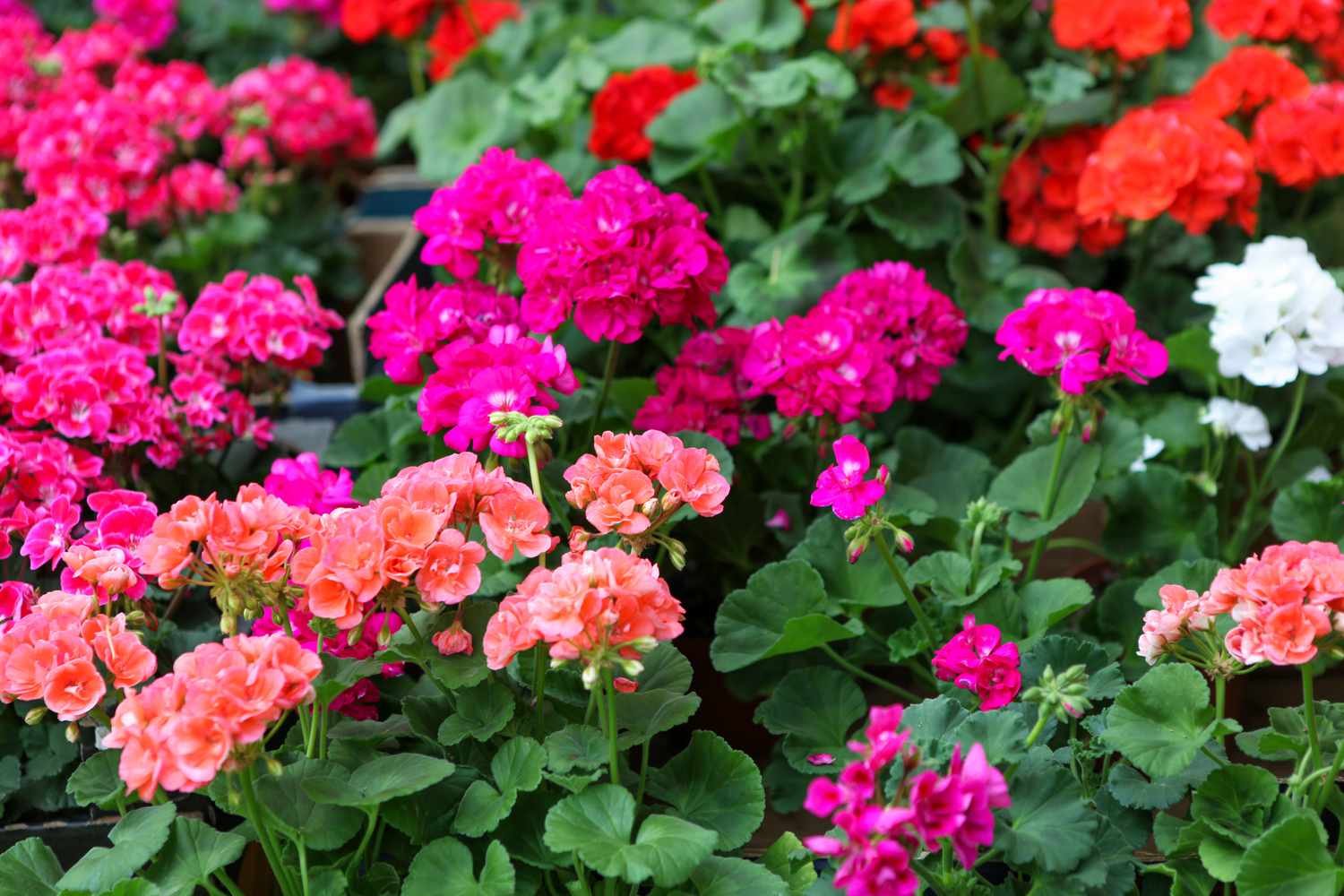
Geraniums are one of the most rewarding plants for beginner gardeners. With their bright blooms, long flowering season, and forgiving nature, they’re often recommended as a “first success” plant. Whether you’re growing them in garden beds, containers, or window boxes, geraniums can take you confidently from seed to bloom with just a little care and patience.
If you’re new to gardening or trying geraniums for the first time, this guide will walk you through everything you need to know—from sowing seeds to enjoying healthy, vibrant flowers.
Understanding Geraniums: What Beginners Should Know
Before planting, it helps to understand what gardeners commonly call “geraniums.” Most garden geraniums are actually Pelargoniums, prized for their colorful blooms and easy care. They come in several types, including:
- Zonal geraniums – classic upright plants with round leaves and bold flowers
- Ivy geraniums – trailing varieties perfect for hanging baskets
- Scented geraniums – grown for fragrant leaves rather than flowers
For beginners, zonal geraniums are the easiest and most reliable choice.
Starting Geraniums From Seed
Growing geraniums from seed may sound intimidating, but it’s surprisingly simple and economical.
Latest Posts
- With Just 1 Bottle of Water How I Was Shocked by What Happened When Growing Vegetables
- Maximize Your Home Garden with the Hanging Pea Sprout Growing Model – Space-Saving, High-Yield, and Easy-to-Manage Vertical Gardening Solution
- Just Water – The Secret to Growing Plump, White Peanut Sprouts Right at Home: A Step-by-Step Guide for Beginners
- Growing Zucchini at Home in a Container: How to Cultivate Large, Long Fruits with a 1-to-72 Day Step-by-Step Diary for Maximum Yield
- Grow Long Beans on the Terrace in Used Recycling Baskets: The Ultimate Guide to Easy, Space-Saving, and High-Yield Terrace Gardening
- How to Grow Tons of Long Beans Easily Without a Garden – A Complete Guide to Growing Healthy Yardlong Beans Without Fertilizers or Pesticides
- Easy Long Bean Growing Trick – No Garden, No Fertilizer, No Pesticide
- Grow Bitter Melon in Bottles — Harvest So Big You Can’t Eat It All! The Ultimate Guide to Bottle Gardening for Maximum Yields
- Growing Garlic Made Easy: No Soil, Fast Results – The Ultimate Guide to Growing Fresh Garlic Indoors Without Traditional Soil
- Wall-Mounted Hydroponic Watermelon System: Grow Large, Juicy, and Delicious Watermelons at Home with Minimal Space and Maximum Yield
When to Start Seeds
Geranium seeds should be started 10–12 weeks before your last expected frost date. They grow slowly at first, so early planning is key.
What You’ll Need
- Geranium seeds
- Seed-starting trays or small pots
- Lightweight seed-starting mix
- Spray bottle or gentle watering can
- Warm location or heat mat
How to Plant the Seeds
- Fill containers with moist seed-starting mix.
- Place seeds on the surface and lightly cover with a thin layer of soil.
- Gently water so the soil is damp but not soggy.
- Keep the temperature between 70–75°F (21–24°C).
Seeds typically germinate within 7–21 days, so don’t worry if they take a little time.
Light: The Key to Strong Seedlings
Once seeds sprout, light becomes critical. Geranium seedlings need bright light immediately to prevent them from becoming leggy.
- Place seedlings near a sunny window or under grow lights
- Provide 12–14 hours of light per day
- Rotate trays regularly for even growth
If seedlings stretch or lean, they need more light.
Watering Young Geraniums Correctly
One of the most common beginner mistakes is overwatering. Geraniums prefer soil that’s moist—but never soggy.
Best Watering Practices
- Water when the top inch of soil feels dry
- Always allow excess water to drain
- Avoid letting seedlings sit in standing water
Overwatering can cause root rot and damping-off disease, which is fatal to young plants.
Feeding Geranium Seedlings
Geraniums don’t need fertilizer right away. Once seedlings develop two to three sets of true leaves, you can begin feeding.
- Use a diluted balanced liquid fertilizer (about half strength)
- Feed every 2–3 weeks
- Avoid over-fertilizing, which encourages leafy growth instead of flowers
Slow and steady feeding helps build strong roots and healthy foliage.
Transplanting: Giving Geraniums Room to Grow
When seedlings outgrow their starter trays, it’s time to transplant them into larger pots.
Signs They’re Ready
- Roots appear at the drainage holes
- Plants are 3–4 inches tall
- Several sets of healthy leaves are present
Handle seedlings gently by their leaves, not stems, and plant them at the same depth they were growing before.
Hardening Off Before Moving Outdoors
If you plan to grow geraniums outside, don’t move them straight into the garden. They need time to adjust.
How to Harden Off
- Place plants outdoors in a sheltered spot for 1–2 hours on day one
- Increase outdoor time gradually over 7–10 days
- Avoid strong sun and wind at first
This process prevents shock and helps plants adapt to outdoor conditions.
Choosing the Right Location
Geraniums thrive when planted in the right spot.

Sunlight Requirements
- Full sun to partial shade
- Ideally 6–8 hours of sunlight daily
Too much shade results in fewer flowers, while extreme heat may cause stress in hot climates.
Soil Preferences
- Well-draining soil is essential
- Slightly acidic to neutral soil works best
- Avoid heavy clay soils unless amended with compost
Watering Mature Geraniums
Once established, geraniums are relatively drought-tolerant.
Outdoor Plants
- Water deeply when soil feels dry
- Avoid frequent shallow watering
Container Plants
- Containers dry out faster—check soil often
- Ensure pots have drainage holes
Geraniums prefer slightly dry soil over constantly wet conditions.
Pruning and Pinching for Fuller Plants
Pruning encourages bushier growth and more flowers.
Simple Pruning Tips
- Pinch back stems when plants are young
- Remove leggy or weak growth
- Cut just above a leaf node
Regular pinching may delay flowering slightly, but results in stronger, fuller plants long-term.
Encouraging Continuous Blooms
Geraniums are known for their long flowering season—but they need a little help.
Deadheading Matters
- Remove spent blooms regularly
- Cut flower stems back to the base
Deadheading redirects energy into new flower production instead of seed formation.
Fertilizing for Flowers
- Use a fertilizer slightly higher in potassium
- Feed every 3–4 weeks during active growth
Common Problems Beginners Encounter
Even easy plants can run into trouble. Here’s how to handle common issues.
Yellowing Leaves
- Often caused by overwatering
- Check drainage and reduce watering frequency
Few or No Blooms
- Too much nitrogen fertilizer
- Not enough sunlight
Leggy Growth
- Insufficient light
- Lack of pruning
Pests
- Watch for aphids, whiteflies, and spider mites
- Rinse plants with water or use insecticidal soap if needed
Can Geraniums Be Grown Indoors?
Yes! Geraniums grow well indoors when given enough light.
- Place near a bright south- or west-facing window
- Rotate plants weekly
- Reduce watering during winter
Many gardeners overwinter geraniums indoors to enjoy blooms year-round.
From Bloom to Beyond: Saving Seeds or Plants
Once your geraniums bloom, you can extend their life in a few ways.
Saving Seeds
- Allow flowers to dry on the plant
- Collect seeds once pods open
Overwintering Plants
- Bring potted geraniums indoors before frost
- Cut back growth and reduce watering
- Resume care in spring
Final Thoughts
Growing geraniums from seed to bloom is a satisfying journey for beginner gardeners. These cheerful plants reward simple care with months of vibrant color and lush foliage. By mastering the basics—light, watering, pruning, and patience—you’ll quickly gain confidence and success.
Whether on a sunny windowsill or in a garden bed bursting with color, geraniums prove that beautiful blooms don’t require complicated techniques—just thoughtful, consistent care.