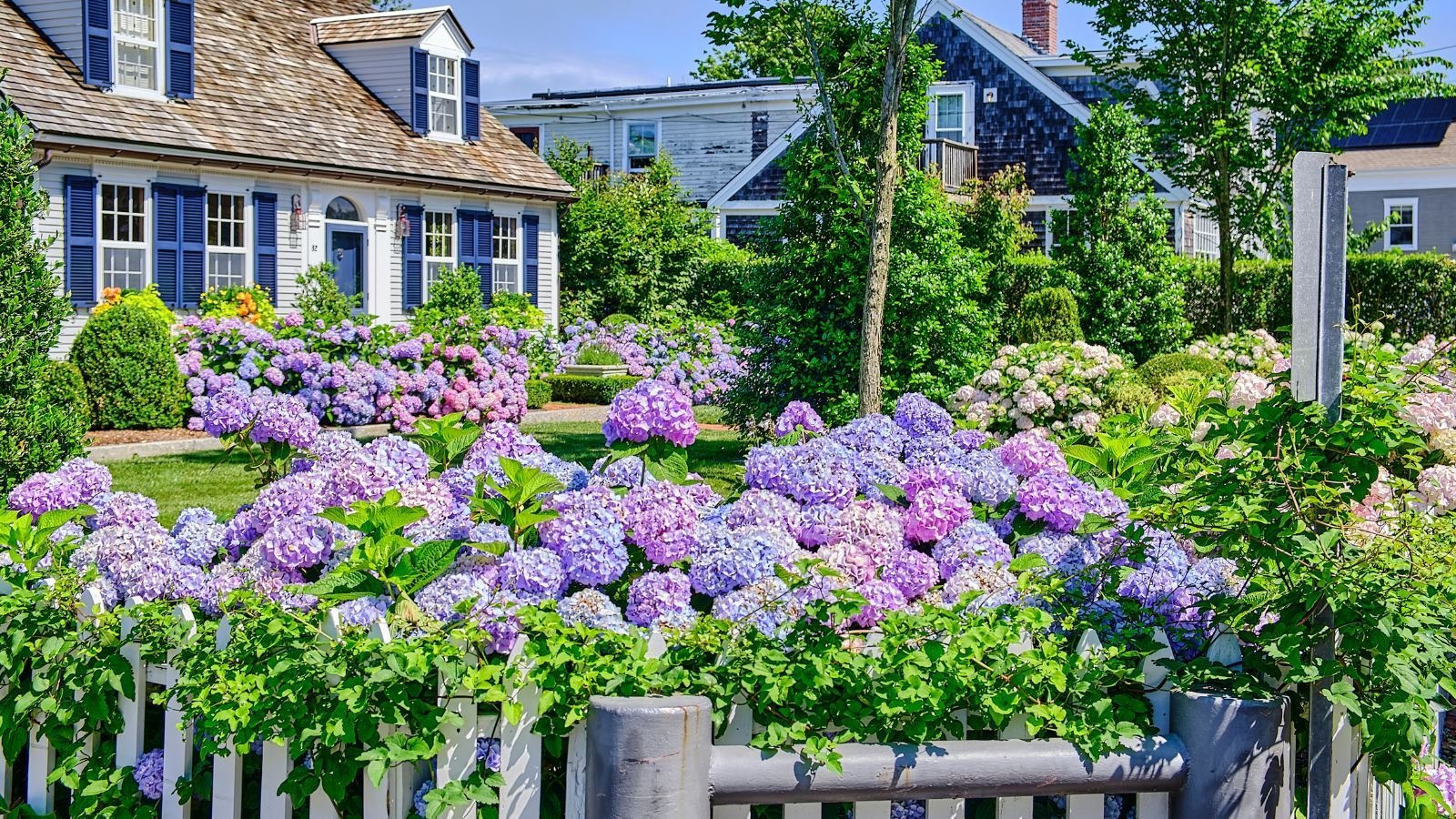
Whether you’re a seasoned green thumb or just planting your first seed, gardening in 2026 is about much more than pretty flowers and tidy lawns. Experts and industry reports point to a blend of sustainability, smart technology, design innovation, and personal expression shaping how people garden this year. From reconnecting with nature to cutting-edge tools, these trends show how we’re redefining what gardens can be — both beautiful and beneficial.
Here’s what to try now for a garden that’s on trend, resilient, and rewarding.
1. Sustainability Takes Center Stage
One of the biggest shifts in 2026 gardening is a stronger focus on eco-friendly practices and climate-adapted gardening. Driven by climate awareness and a desire to reduce environmental impact, gardeners are increasingly choosing plants, designs, and practices that benefit both people and nature.
What this means for your garden:
- Water-efficient gardening: systems like drip irrigation, self-watering planters, and hydroponics help conserve water in homes and small spaces.
- Heat- and drought-tolerant plants: hardy species that withstand temperature extremes reduce stress on gardens in changing climates.
- Pollinator-friendly spaces: planting nectar-rich blooms and native species supports bees, butterflies, and other beneficial wildlife.
This trend isn’t about perfection — it’s about creating gardens that give back to the environment while remaining attractive and functional.

2. Garden to Table: Edible Landscaping
In 2026, the boundary between ornamental and edible gardens continues to blur. Instead of growing food in one place and flowers in another, gardeners are creating edible landscapes — spaces where beauty and function coexist.
Latest Posts
- With Just 1 Bottle of Water How I Was Shocked by What Happened When Growing Vegetables
- Maximize Your Home Garden with the Hanging Pea Sprout Growing Model – Space-Saving, High-Yield, and Easy-to-Manage Vertical Gardening Solution
- Just Water – The Secret to Growing Plump, White Peanut Sprouts Right at Home: A Step-by-Step Guide for Beginners
- Growing Zucchini at Home in a Container: How to Cultivate Large, Long Fruits with a 1-to-72 Day Step-by-Step Diary for Maximum Yield
- Grow Long Beans on the Terrace in Used Recycling Baskets: The Ultimate Guide to Easy, Space-Saving, and High-Yield Terrace Gardening
- How to Grow Tons of Long Beans Easily Without a Garden – A Complete Guide to Growing Healthy Yardlong Beans Without Fertilizers or Pesticides
- Easy Long Bean Growing Trick – No Garden, No Fertilizer, No Pesticide
- Grow Bitter Melon in Bottles — Harvest So Big You Can’t Eat It All! The Ultimate Guide to Bottle Gardening for Maximum Yields
- Growing Garlic Made Easy: No Soil, Fast Results – The Ultimate Guide to Growing Fresh Garlic Indoors Without Traditional Soil
- Wall-Mounted Hydroponic Watermelon System: Grow Large, Juicy, and Delicious Watermelons at Home with Minimal Space and Maximum Yield
Ideas to Try:
- Herbs and vegetables as border plants: colorful chard, kale, and herbs like rosemary or sage can frame beds while providing fresh ingredients.
- Fruit-bearing shrubs and compact trees: dwarf apples, kiwis, and figs fit into ornamental beds and add seasonal interest.
- Container edible gardens: perfect for patios and balconies, these give city gardeners a way to grow salad greens, peppers, or herbs without dedicated plots.
This isn’t just about food production — it’s about enjoying edible beauty every day, making fresh eating easier and more integrated into daily life.
3. Regenerative and Soil-First Gardening
Beyond sustainability, a growing number of gardeners are adopting regenerative garden practices that help heal soil, grow healthier plants, and restore ecosystems. This trend emphasizes working with nature rather than reshaping it.
Key moves in regenerative gardening:
- No-dig gardening to protect soil life: avoiding tilling preserves beneficial fungal and microbial networks.
- Composting kitchen and garden waste: turning scraps into nutrient-rich soil amendment improves plant health and cuts waste.
- Plant diversity and cover crops: including a mix of species helps prevent erosion and boosts biodiversity.
Regenerative practices focus on long-term soil health and ecological balance — garden benefits that grow stronger over the years.

4. Tech in the Garden: Smart Gardening Grows Up
Technology isn’t just for indoor plants anymore. In 2026, smart gardening tools and data-driven care systems are becoming mainstream even in home gardens, helping gardeners make precise, informed decisions about plant care.
Tech tools to try:
- AI-powered care systems: apps and sensors monitor soil moisture, nutrients, microclimates, and identify early signs of pest or disease issues.
- Robot lawn and garden assistants: advanced robotic lawn mowers and garden bots help with repetitive tasks like trimming edges, mowing, and even plant health monitoring.
- Automated irrigation and lighting: smart controllers adjust water and light based on real-time conditions.
Smart gardening isn’t about replacing human care — it’s about making plant care easier, more accurate, and more sustainable.
5. Naturalistic and Wild Aesthetics
Gone are the days of perfectly manicured lawns as the only ideal. In 2026, many gardeners are embracing naturalistic landscapes that mimic wild spaces — layered plantings, flowing beds, and ecological designs that feel organic rather than controlled.
Try These Elements:
- Meadow-style planting schemes: grasses and perennials intermingle for movement, texture, and seasonal interest.
- “Soft” garden edges: letting plantings flow into paths or lawns rather than crisp, formal lines.
- Native plant palettes: species that evolved locally support wildlife and thrive with minimal care.
Naturalistic gardens not only look beautiful — they reflect ecological balance and support more biodiversity.

6. Colour and Texture Trends in Planting
Gardens in 2026 are moving toward bold color and evocative textures that give spaces personality and depth. From rich jewel tones to gentle desert-inspired palettes, plant colors are becoming more expressive.
Color Directions:
- Jewel tones: deep reds, velvety purples, rich burgundies, and emerald greens make dramatic garden statements.
- Subtle neutrals: muted lavenders, powder blues, and weathered pinks blend seamlessly into natural landscapes.
These color trends help gardens become extensions of interior design, creating cohesion between outdoor and indoor spaces.
7. Container and Vertical Gardening Everywhere
With space at a premium — especially in urban areas — container and vertical gardens are gaining traction as bona-fide trend features, not just space-saving tricks.
Ways to Use Them:
- Oversized sculptural planters: act as focal points rather than just functional pots.
- Vertical gardens: vines, wall planters, and green screens add greenery without sacrificing floor space.
- Portable container veg gardens: grow tomatoes, herbs, or peppers on patios and balconies.
Containers make gardens more dynamic and flexible, especially in apartments or small yards.

8. Rewilding and Biodiversity Boosts
Rather than maintaining sterile, groomed spaces, many gardeners are now rewilding parts of their gardens — intentionally bringing back native flora, insects, and natural processes.
What Rewilding Looks Like:
- Letting native plants self-seed
- Creating mini-habitats (log piles, meadow strips, wild corners)
- Removing invasive species to make room for local diversity
Rewilding helps gardens function as mini ecosystems, supporting pollinators, birds, and beneficial insects.
9. Well-being and Garden Mindfulness
In 2026, the garden is increasingly seen as a space not just for plants, but for mental and emotional well-being. Trends like “wellness gardening” emphasize creating tranquil spaces that reduce stress and enhance daily life.
Elements of Wellness Gardens:
- Aromatic plants: jasmine, lavender, chamomile, and rosemary promote relaxation.
- Seating areas with shade and water features: quiet spots for meditation and reflection.
- Nature-inspired designs: gentle curves, soft textures, and color palettes that soothe the senses.
These gardens prioritize well-being over perfection, making outdoor spaces more inviting for everyday use.

Final Thoughts
The 2026 gardening trends reflect a broader evolution in how we see gardens: from decorative landscapes to spaces that are sustainable, smart, biodiverse, and deeply personal. Whether you’re looking to grow more food, support local wildlife, adopt new technology, or simply make your garden a haven of serenity, there’s a trend you can explore and enjoy right now.
Gardening in 2026 is about connection — to the earth, to community, and to well-being — and the best part is that you can start trying these ideas today.