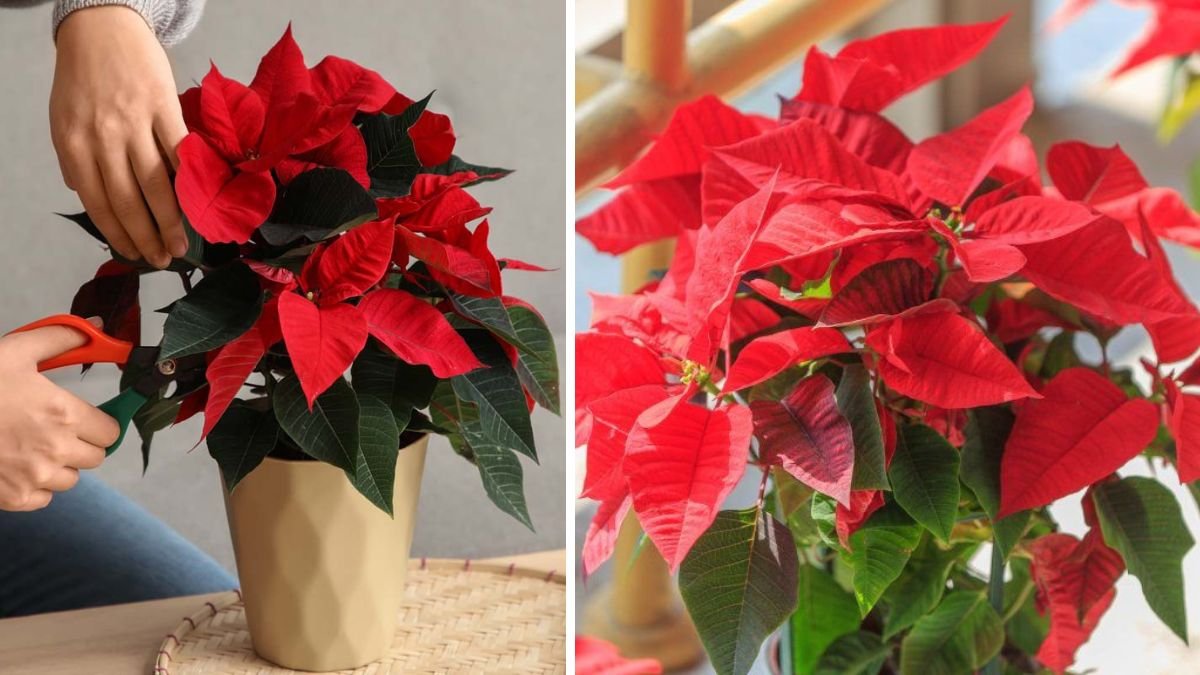
Poinsettias are often treated as short-lived holiday decorations, but with the right care—especially in January—they can thrive year-round and even rebloom. January is a critical transition month for poinsettias, marking the shift from festive display to long-term plant health. What you do now determines whether your poinsettia fades away or becomes a lush, vibrant houseplant.
This article explains exactly what your poinsettia needs in January to encourage fresh growth, maintain strong roots, and prepare for future flowering.
Understanding the January Transition Period
During the holidays, poinsettias are pushed into full color under controlled greenhouse conditions. By January, the plant is adjusting to:
- Lower indoor humidity
- Reduced light
- Temperature fluctuations
- Post-bloom stress
Your goal is to support recovery and stabilize growth, not force flowers immediately.
Light: The Most Important January Requirement
Poinsettias need bright light to survive winter.
Latest Posts
- With Just 1 Bottle of Water How I Was Shocked by What Happened When Growing Vegetables
- Maximize Your Home Garden with the Hanging Pea Sprout Growing Model – Space-Saving, High-Yield, and Easy-to-Manage Vertical Gardening Solution
- Just Water – The Secret to Growing Plump, White Peanut Sprouts Right at Home: A Step-by-Step Guide for Beginners
- Growing Zucchini at Home in a Container: How to Cultivate Large, Long Fruits with a 1-to-72 Day Step-by-Step Diary for Maximum Yield
- Grow Long Beans on the Terrace in Used Recycling Baskets: The Ultimate Guide to Easy, Space-Saving, and High-Yield Terrace Gardening
- How to Grow Tons of Long Beans Easily Without a Garden – A Complete Guide to Growing Healthy Yardlong Beans Without Fertilizers or Pesticides
- Easy Long Bean Growing Trick – No Garden, No Fertilizer, No Pesticide
- Grow Bitter Melon in Bottles — Harvest So Big You Can’t Eat It All! The Ultimate Guide to Bottle Gardening for Maximum Yields
- Growing Garlic Made Easy: No Soil, Fast Results – The Ultimate Guide to Growing Fresh Garlic Indoors Without Traditional Soil
- Wall-Mounted Hydroponic Watermelon System: Grow Large, Juicy, and Delicious Watermelons at Home with Minimal Space and Maximum Yield

Ideal Lighting Conditions
- Bright, indirect sunlight
- South- or east-facing window
- 6–8 hours of light daily
Low light causes leaf drop and weak stems, so move your plant closer to natural light as holiday décor comes down.
Correct January Watering Practices
Overwatering is the most common reason poinsettias fail in winter.
How to Water Properly
- Water only when top inch of soil is dry
- Empty saucers after watering
- Never let roots sit in water
In January, poinsettias grow slowly, meaning they need less water than during flowering.
Temperature Control Matters More Than You Think
Poinsettias are sensitive to cold.
Ideal Temperature Range
- 65–72°F (18–22°C)
- Avoid drafts and heat vents
- No sudden temperature swings
Cold stress in January can permanently damage leaves and stems.

Humidity: A Hidden Growth Factor
Indoor heating dries the air, which poinsettias dislike.
Ways to Increase Humidity
- Place a pebble tray under the pot
- Group plants together
- Use a humidifier nearby
Adequate humidity prevents leaf curling and browning edges.
Should You Fertilize in January?
Light feeding may begin in late January.
Best Fertilizer Practices
- Use balanced houseplant fertilizer
- Dilute to half strength
- Feed once every 3–4 weeks
Avoid fertilizing immediately after purchase—wait until new growth appears.
Leaf Drop: What’s Normal and What’s Not
Some leaf loss is normal in January.

Normal Causes
- Reduced light
- Environmental changes
Warning Signs
- Sudden heavy leaf drop
- Yellowing stems
- Mushy roots
These indicate watering or temperature issues.
Pruning: Should You Cut Back Now?
January is not the main pruning season, but light shaping is acceptable.
- Remove dead or damaged leaves
- Avoid heavy pruning until spring
- Keep plant compact and balanced
Major pruning is best done in March or April.
Soil and Drainage Check
Holiday poinsettias often come in poor-quality soil.
January Checklist
- Ensure drainage holes exist
- Loosen compacted soil gently
- Repot only if roots are severely crowded
Repotting too early can shock the plant.
Encouraging Healthy Green Growth
Your January goal is foliage, not flowers.
Healthy leaves mean:
- Strong roots
- Energy storage
- Better reblooming later
Focus on consistency rather than forcing growth.
Preparing for Reblooming Later in the Year
January care sets the stage for fall blooms.
- Strong stems now = better bracts later
- Healthy roots = improved nutrient uptake
- Balanced growth = fuller flowering
Think long-term success, not immediate color.
Common January Mistakes to Avoid
- Overwatering
- Placing near cold windows
- Keeping in low light
- Fertilizing too heavily
Avoiding these keeps your poinsettia alive and thriving.
Final Thoughts
What your poinsettia really needs in January is stability: consistent light, careful watering, gentle warmth, and patience. This is the recovery phase that determines the plant’s future. Treat your poinsettia like a long-term houseplant now, and it will reward you with lush growth—and possibly stunning new flowers—in the months ahead.