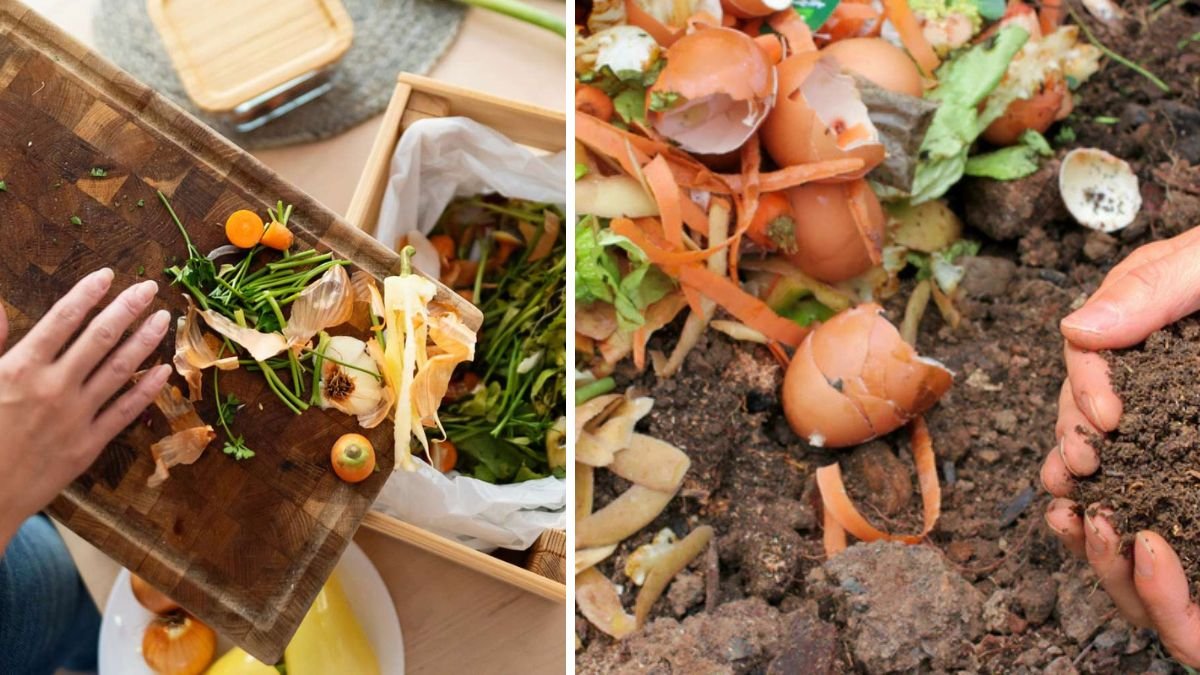
Every day, kitchens produce food scraps that often end up in the trash. What many people don’t realize is that these scraps are valuable resources. With a little effort, you can turn kitchen waste into rich, nutrient-packed compost that feeds your garden, improves soil health, and reduces household waste.
This article explains how to compost kitchen waste at home, even if you have limited space.
Why Compost Kitchen Waste?
Composting kitchen scraps:
- Reduces landfill waste
- Lowers greenhouse gas emissions
- Creates free fertilizer
- Improves soil structure
- Supports beneficial microbes
It’s one of the easiest ways to live more sustainably.

What Is Compost?
Compost is decomposed organic material that resembles dark, crumbly soil. It’s created when microorganisms break down organic matter under the right conditions.
Latest Posts
- With Just 1 Bottle of Water How I Was Shocked by What Happened When Growing Vegetables
- Maximize Your Home Garden with the Hanging Pea Sprout Growing Model – Space-Saving, High-Yield, and Easy-to-Manage Vertical Gardening Solution
- Just Water – The Secret to Growing Plump, White Peanut Sprouts Right at Home: A Step-by-Step Guide for Beginners
- Growing Zucchini at Home in a Container: How to Cultivate Large, Long Fruits with a 1-to-72 Day Step-by-Step Diary for Maximum Yield
- Grow Long Beans on the Terrace in Used Recycling Baskets: The Ultimate Guide to Easy, Space-Saving, and High-Yield Terrace Gardening
- How to Grow Tons of Long Beans Easily Without a Garden – A Complete Guide to Growing Healthy Yardlong Beans Without Fertilizers or Pesticides
- Easy Long Bean Growing Trick – No Garden, No Fertilizer, No Pesticide
- Grow Bitter Melon in Bottles — Harvest So Big You Can’t Eat It All! The Ultimate Guide to Bottle Gardening for Maximum Yields
- Growing Garlic Made Easy: No Soil, Fast Results – The Ultimate Guide to Growing Fresh Garlic Indoors Without Traditional Soil
- Wall-Mounted Hydroponic Watermelon System: Grow Large, Juicy, and Delicious Watermelons at Home with Minimal Space and Maximum Yield
Good compost smells earthy—not rotten.
What Kitchen Waste Can Be Composted
Yes, Compost These
- Fruit and vegetable scraps
- Coffee grounds and filters
- Tea leaves and paper bags
- Eggshells (crushed)
- Stale bread and grains
Avoid These
- Meat and fish
- Dairy products
- Oily foods
- Large bones
Avoiding these prevents odor and pests.
Understanding “Greens” and “Browns”
Successful composting requires balance.

Greens (Nitrogen-Rich)
- Food scraps
- Coffee grounds
- Fresh plant trimmings
Browns (Carbon-Rich)
- Dry leaves
- Cardboard
- Paper towels
- Shredded newspaper
Aim for roughly 2 parts browns to 1 part greens.
Choosing a Composting Method
Outdoor Compost Bin
- Best for yards
- Handles large amounts
- Requires occasional turning
Compost Tumbler
- Faster composting
- Less odor
- Easy to turn
Indoor Composting
- Countertop compost bins
- Bokashi systems
- Vermicomposting (worms)
Apartment-friendly options exist for every space.
How to Start Composting Kitchen Waste
- Choose a bin
- Add a layer of browns
- Add kitchen scraps
- Cover scraps with browns
- Keep compost slightly moist
Layering prevents odor and speeds decomposition.
Managing Moisture and Air
Compost should feel like a wrung-out sponge.

- Too wet: Add browns
- Too dry: Add water
- Turn or stir weekly to add oxygen
Air is essential for healthy decomposition.
Preventing Odors and Pests
- Always cover food scraps
- Chop scraps into smaller pieces
- Avoid adding prohibited items
- Use tight-fitting lids
Proper balance keeps compost odor-free.
How Long Does Compost Take?
Depending on conditions:
- 2–3 months with frequent turning
- 4–6 months with minimal maintenance
Finished compost is dark, crumbly, and earthy-smelling.
How to Use Finished Compost
- Mix into garden beds
- Add to potting soil
- Use as mulch
- Top-dress houseplants
A little compost goes a long way.
Common Composting Mistakes
- Too many food scraps
- Not enough browns
- Lack of airflow
- Forgetting to turn
These are easy to fix once recognized.
Composting Without a Garden
Even without plants, composting still matters:
- Donate compost to community gardens
- Use for houseplants
- Improve balcony planters
Waste reduction alone makes composting worthwhile.
Environmental Impact of Composting
Composting:
- Reduces methane emissions
- Improves soil carbon storage
- Supports sustainable food systems
It’s a small action with big impact.
Final Thoughts
Turning kitchen waste into rich compost transforms everyday scraps into a powerful resource. Whether you compost indoors or outdoors, the process is simple, affordable, and deeply rewarding. By composting at home, you close the loop between kitchen and garden—feeding the soil that feeds you in return.