Watering seems simple—yet improper watering is the number one reason plants fail. Overwatering and underwatering cause stress, disease, and root damage. That’s why moisture meters are becoming an essential tool for gardeners who want healthier plants with less guesswork.
This article explains why using a moisture meter improves plant watering, how it works, and how to use it correctly.
Why Guessing Water Needs Fails
Many gardeners rely on:
- Surface soil appearance
- Fixed watering schedules
- Habit rather than plant needs
Unfortunately, soil can look dry on top while remaining wet underneath—or vice versa.
What Is a Moisture Meter?
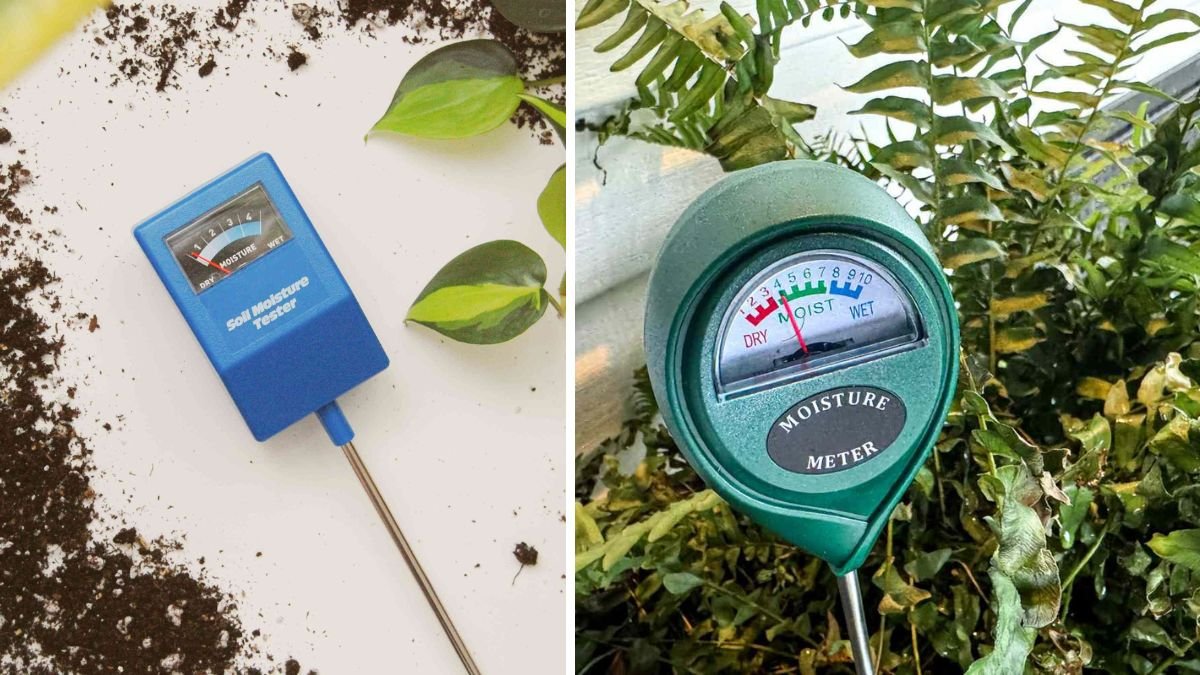
A moisture meter is a simple tool that measures moisture levels below the soil surface.
Latest Posts
- With Just 1 Bottle of Water How I Was Shocked by What Happened When Growing Vegetables
- Maximize Your Home Garden with the Hanging Pea Sprout Growing Model – Space-Saving, High-Yield, and Easy-to-Manage Vertical Gardening Solution
- Just Water – The Secret to Growing Plump, White Peanut Sprouts Right at Home: A Step-by-Step Guide for Beginners
- Growing Zucchini at Home in a Container: How to Cultivate Large, Long Fruits with a 1-to-72 Day Step-by-Step Diary for Maximum Yield
- Grow Long Beans on the Terrace in Used Recycling Baskets: The Ultimate Guide to Easy, Space-Saving, and High-Yield Terrace Gardening
- How to Grow Tons of Long Beans Easily Without a Garden – A Complete Guide to Growing Healthy Yardlong Beans Without Fertilizers or Pesticides
- Easy Long Bean Growing Trick – No Garden, No Fertilizer, No Pesticide
- Grow Bitter Melon in Bottles — Harvest So Big You Can’t Eat It All! The Ultimate Guide to Bottle Gardening for Maximum Yields
- Growing Garlic Made Easy: No Soil, Fast Results – The Ultimate Guide to Growing Fresh Garlic Indoors Without Traditional Soil
- Wall-Mounted Hydroponic Watermelon System: Grow Large, Juicy, and Delicious Watermelons at Home with Minimal Space and Maximum Yield
Most meters:

- Have a probe inserted into soil
- Display moisture levels on a scale
- Require no batteries
They provide immediate feedback on root-zone moisture.
Why Root-Zone Moisture Matters
Plants absorb water through roots—not surface soil.
Incorrect watering can cause:
- Root rot
- Fungal diseases
- Stunted growth
- Yellowing leaves
A moisture meter helps you water where it counts.
Top Benefits of Using a Moisture Meter
1. Prevents Overwatering
Overwatering is more damaging than underwatering for many plants. Moisture meters reveal when soil is already saturated.
2. Prevents Underwatering
Plants suffering drought stress often don’t show symptoms until damage is done. Meters catch dryness early.
3. Reduces Plant Stress
Consistent moisture improves:
- Growth rate
- Flowering
- Fruit production
Healthy moisture levels equal healthier plants.
Perfect for Containers and Houseplants
Containers dry unevenly and quickly.
Moisture meters are ideal for:
- Potted plants
- Hanging baskets
- Indoor plants
- Window boxes
They remove the guesswork that leads to root problems.
Using a Moisture Meter Correctly
Step-by-Step
- Insert probe halfway to root depth
- Avoid stones or compacted areas
- Read the meter
- Water only if indicated
Test in multiple spots for large pots or beds.

Understanding the Readings
Most meters show:
- Dry
- Moist
- Wet
Learn each plant’s preference:
- Succulents prefer drier soil
- Vegetables prefer evenly moist soil
- Tropical plants prefer consistent moisture
How Moisture Meters Save Time and Water
- Fewer unnecessary waterings
- Reduced water waste
- Lower utility bills
- Less time troubleshooting plant issues
Efficiency benefits both plants and gardeners.
When Moisture Meters Are Especially Useful
- New plantings
- Seasonal changes
- Heat waves
- Winter indoor gardening
- Raised beds
They adapt to changing conditions better than routines.
Common Mistakes to Avoid
- Leaving the probe in soil permanently
- Testing only surface soil
- Ignoring plant-specific needs
- Using meters in frozen soil
Correct use ensures accurate readings.
Do Moisture Meters Replace Observation?
No—they complement it.
Use meters alongside:
- Leaf appearance
- Growth patterns
- Weather conditions
Together, they create a complete watering strategy.
Are Moisture Meters Worth It?
For most gardeners, absolutely.
They:
- Reduce plant loss
- Improve confidence
- Encourage better watering habits
They’re especially helpful for beginners.
Long-Term Impact on Plant Health
Gardeners who use moisture meters consistently report:
- Fewer disease problems
- Healthier root systems
- Improved flowering and yields
- Less stress during hot weather
Proper watering unlocks plant potential.
Final Thoughts
Using a moisture meter transforms watering from a guessing game into a precise, plant-centered practice. By understanding what’s happening below the surface, gardeners can respond to real plant needs instead of assumptions. The result is stronger roots, healthier growth, and a garden that thrives with less effort and fewer mistakes.