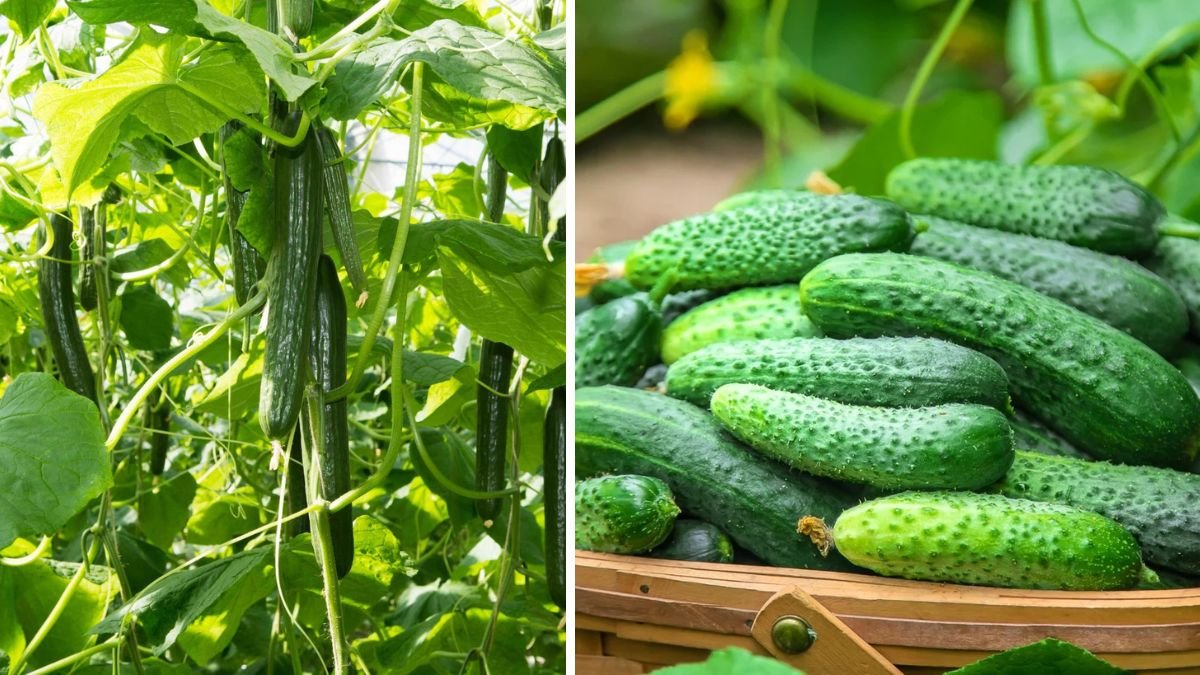
Few garden disappointments are as frustrating as harvesting a beautiful cucumber—only to bite into a bitter one. Cucumber bitterness is a common problem, but it’s also entirely preventable. With the right growing practices, you can produce cucumbers that are consistently crisp, refreshing, and mild.
This guide explains why cucumbers become bitter and exactly how to grow cucumbers that never taste bitter.
What Causes Bitter Cucumbers?
Bitterness comes from compounds called cucurbitacins, which are produced when cucumber plants experience stress.
Common stress factors include:
- Inconsistent watering
- Extreme heat
- Poor soil nutrition
- Overcrowding
- Improper harvesting
Reducing stress is the key to sweet cucumbers.
Latest Posts
- With Just 1 Bottle of Water How I Was Shocked by What Happened When Growing Vegetables
- Maximize Your Home Garden with the Hanging Pea Sprout Growing Model – Space-Saving, High-Yield, and Easy-to-Manage Vertical Gardening Solution
- Just Water – The Secret to Growing Plump, White Peanut Sprouts Right at Home: A Step-by-Step Guide for Beginners
- Growing Zucchini at Home in a Container: How to Cultivate Large, Long Fruits with a 1-to-72 Day Step-by-Step Diary for Maximum Yield
- Grow Long Beans on the Terrace in Used Recycling Baskets: The Ultimate Guide to Easy, Space-Saving, and High-Yield Terrace Gardening
- How to Grow Tons of Long Beans Easily Without a Garden – A Complete Guide to Growing Healthy Yardlong Beans Without Fertilizers or Pesticides
- Easy Long Bean Growing Trick – No Garden, No Fertilizer, No Pesticide
- Grow Bitter Melon in Bottles — Harvest So Big You Can’t Eat It All! The Ultimate Guide to Bottle Gardening for Maximum Yields
- Growing Garlic Made Easy: No Soil, Fast Results – The Ultimate Guide to Growing Fresh Garlic Indoors Without Traditional Soil
- Wall-Mounted Hydroponic Watermelon System: Grow Large, Juicy, and Delicious Watermelons at Home with Minimal Space and Maximum Yield
Choose the Right Cucumber Varieties
Some cucumber varieties are bred to be bitterness-free.

Look for:
- “Burpless” varieties
- “Bitter-free” labels
- Hybrid slicing cucumbers
Reliable choices include:
- ‘Marketmore’
- ‘Sweet Slice’
- ‘Diva’
- ‘Tasty Green’
Genetics matter more than many gardeners realize.
Start With Healthy Soil
Cucumbers are heavy feeders and shallow-rooted.
Ideal Soil Conditions
- Loose, well-draining soil
- Rich in organic matter
- Neutral to slightly acidic pH
Before planting:
- Add compost or aged manure
- Mix soil deeply to improve aeration
Healthy soil reduces plant stress significantly.

Water Consistently—Never Erratically
Inconsistent watering is the top cause of bitterness.
Best Watering Practices
- Water deeply and regularly
- Keep soil evenly moist
- Avoid letting soil dry out completely
- Mulch heavily to retain moisture
Drip irrigation or soaker hoses work best.
Protect Cucumbers From Heat Stress
Cucumbers love warmth—but not extremes.
To reduce heat stress:
- Provide afternoon shade in hot climates
- Use mulch to cool soil
- Space plants for airflow
Heat-stressed plants produce more cucurbitacins.
Proper Spacing Matters
Overcrowded cucumbers compete for resources.

Spacing guidelines:
- 12–18 inches between plants
- Vertical trellising improves airflow
- Avoid tangled vines
More space equals less stress and better flavor.
Feed Cucumbers Correctly
Balanced Nutrition
- Use compost-based fertilizer
- Avoid excess nitrogen
- Feed lightly every 2–3 weeks
Too much nitrogen encourages leaves at the expense of fruit quality.
Harvest at the Right Time
Overripe cucumbers are more likely to be bitter.
Harvest when:
- Fruits are firm and green
- Seeds are still soft
- Size matches variety recommendations
Frequent harvesting encourages sweeter fruit.

Use Mulch for Flavor Improvement
Mulch:
- Stabilizes soil moisture
- Regulates temperature
- Suppresses weeds
Organic mulches like straw or shredded leaves work best.
Avoid Plant Stress During Fruiting
Once flowering begins:
- Maintain steady watering
- Avoid transplant shock
- Do not prune aggressively
Consistency during fruiting ensures mild flavor.
Can Bitter Cucumbers Be Saved?
If bitterness occurs:
- Peel skin (bitterness is often concentrated there)
- Remove stem end
- Rub cut end with cucumber juice
Prevention, however, is far more effective.

Container-Grown Cucumbers
Cucumbers grow well in containers—but need extra care:
- Large pots (at least 5 gallons)
- Daily watering in warm weather
- Regular feeding
Containers dry out faster, increasing stress risk.
Signs You’re Growing Sweet Cucumbers
- Even growth
- Steady fruit production
- Uniform color
- Crisp texture
These are indicators of low-stress plants.
Final Thoughts
Growing cucumbers that never taste bitter isn’t about luck—it’s about reducing plant stress at every stage. By choosing the right varieties, maintaining consistent watering, providing healthy soil, and harvesting at the right time, you can enjoy crisp, refreshing cucumbers all season long. With the right care, every harvest can deliver the cool, clean flavor gardeners hope for.