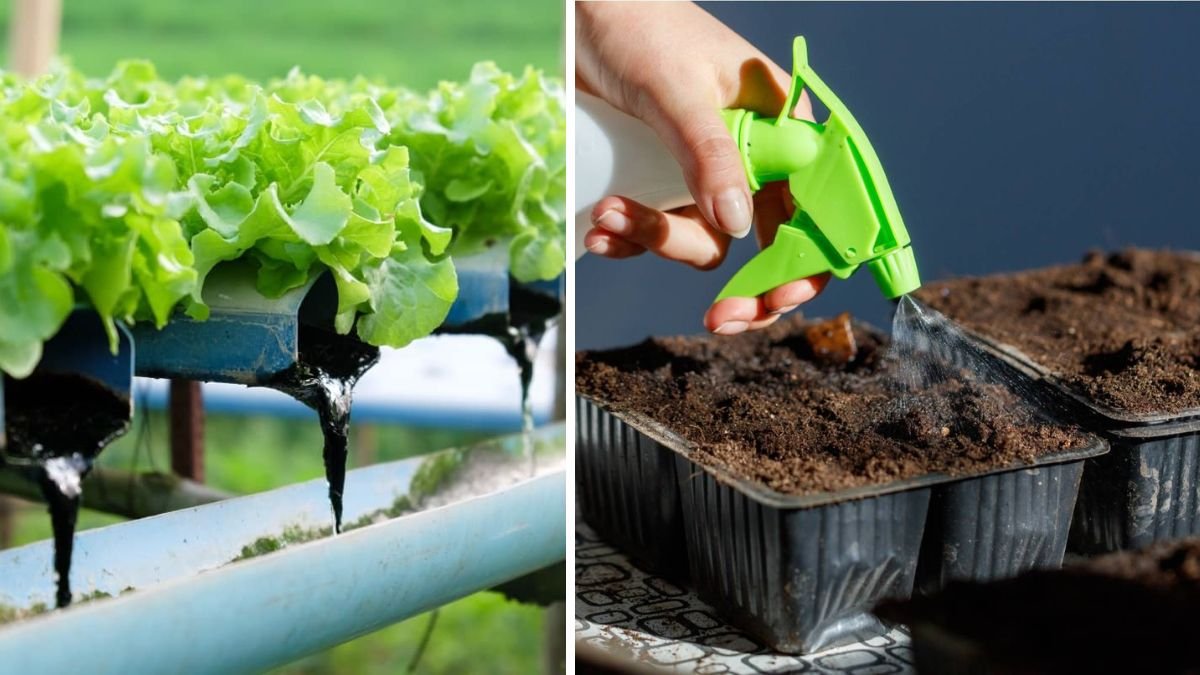
Molasses may be best known as a kitchen sweetener, but in recent years it has become a powerful tool in organic gardening. From vegetable beds to lawns and compost piles, gardeners are adding molasses to sprayers—and seeing impressive results.
This article explores why molasses is trending, how it works, and how to use it safely and effectively.
What Is Molasses?
Molasses is a thick, dark syrup produced during sugar refining. In gardening, unsulfured blackstrap molasses is preferred because it contains:
- Natural sugars
- Iron
- Calcium
- Magnesium
- Potassium
These nutrients feed soil microbes rather than plants directly.

Why Microbes Matter
Healthy soil is alive. Beneficial microbes:
Latest Posts
- With Just 1 Bottle of Water How I Was Shocked by What Happened When Growing Vegetables
- Maximize Your Home Garden with the Hanging Pea Sprout Growing Model – Space-Saving, High-Yield, and Easy-to-Manage Vertical Gardening Solution
- Just Water – The Secret to Growing Plump, White Peanut Sprouts Right at Home: A Step-by-Step Guide for Beginners
- Growing Zucchini at Home in a Container: How to Cultivate Large, Long Fruits with a 1-to-72 Day Step-by-Step Diary for Maximum Yield
- Grow Long Beans on the Terrace in Used Recycling Baskets: The Ultimate Guide to Easy, Space-Saving, and High-Yield Terrace Gardening
- How to Grow Tons of Long Beans Easily Without a Garden – A Complete Guide to Growing Healthy Yardlong Beans Without Fertilizers or Pesticides
- Easy Long Bean Growing Trick – No Garden, No Fertilizer, No Pesticide
- Grow Bitter Melon in Bottles — Harvest So Big You Can’t Eat It All! The Ultimate Guide to Bottle Gardening for Maximum Yields
- Growing Garlic Made Easy: No Soil, Fast Results – The Ultimate Guide to Growing Fresh Garlic Indoors Without Traditional Soil
- Wall-Mounted Hydroponic Watermelon System: Grow Large, Juicy, and Delicious Watermelons at Home with Minimal Space and Maximum Yield
- Break down organic matter
- Make nutrients plant-available
- Suppress harmful pathogens
- Improve soil structure
Molasses acts as fast food for beneficial microorganisms.
How Molasses Works in the Garden
1. Feeds Beneficial Bacteria
The sugars in molasses provide immediate energy for microbes, increasing their populations quickly.
2. Improves Nutrient Availability
Microbes fed by molasses convert locked-up nutrients into forms plants can absorb.
3. Enhances Soil Structure
Microbial activity improves aggregation, leading to:
- Better aeration
- Improved water infiltration
- Reduced compaction
Why Gardeners Use Molasses Sprays
Molasses is commonly applied as:
- Soil drench
- Foliar spray
- Compost activator
Sprayers allow even distribution and fast absorption into soil ecosystems.
Benefits of Molasses Spraying
- Increased plant vigor
- Faster compost breakdown
- Improved soil fertility
- Reduced chemical fertilizer needs
- Enhanced beneficial insect populations
Many gardeners notice greener growth within days.

How to Mix Molasses for Garden Use
Basic Recipe
- 1 tablespoon unsulfured molasses
- 1 gallon of water
Stir thoroughly until fully dissolved.
Application Frequency
- Once every 2–4 weeks
- More often for compost activation
- Avoid overuse
Best Uses for Molasses in the Garden
Vegetable Beds
Boosts microbial activity during active growth.
Lawns
Encourages healthy turf and soil balance.
Compost
Accelerates decomposition and improves compost quality.
Raised Beds and Containers
Use sparingly to avoid excess moisture retention.
Plants That Benefit Most
- Tomatoes
- Corn
- Squash
- Leafy greens
- Fruit trees
- Flowering plants
Molasses benefits soil, which benefits nearly all plants.
Common Mistakes to Avoid
- Using sulfured molasses
- Overapplication
- Applying to dry soil (always water first)
- Using on pest-infested soil without balance
Too much sugar can encourage harmful organisms if misused.
Molasses vs Chemical Fertilizers
| Molasses | Chemical Fertilizers |
|---|---|
| Feeds soil life | Feeds plants directly |
| Improves long-term soil health | Can degrade soil over time |
| Low risk when used properly | Risk of runoff and burn |
| Sustainable | Resource-intensive |
Molasses works best as part of an organic system.
Seasonal Tips for Molasses Use
- Spring: Activate soil biology
- Summer: Support heavy feeders
- Fall: Prepare soil for winter
- Avoid frozen or dormant soil
Final Thoughts
The rise of molasses in garden sprayers reflects a growing shift toward soil-first gardening. By feeding beneficial microbes instead of forcing plant growth, molasses helps create resilient, fertile soil that supports healthier plants naturally. When used wisely, this sweet solution delivers powerful results—proving that sometimes the best garden tools are already in your pantry.