Gardeners are increasingly turning to simple, natural materials to improve plant health without relying on synthetic chemicals. Two surprising but powerful allies—milk and coconut coir—are making waves in organic gardening circles. When used correctly, these everyday items can strengthen plants, enrich soil, and support beneficial microbes.
This article explains how milk and coconut coir work, why they’re effective, and how to use them safely to grow healthier, more resilient plants.
Why Natural Inputs Matter in Modern Gardening
Soil health is the foundation of plant success. Overuse of chemical fertilizers can:
- Disrupt microbial life
- Reduce long-term soil fertility
- Create dependency in plants
Natural inputs like milk and coconut coir work differently. They feed the soil ecosystem, not just the plant, resulting in stronger growth over time.
Understanding Coconut Coir
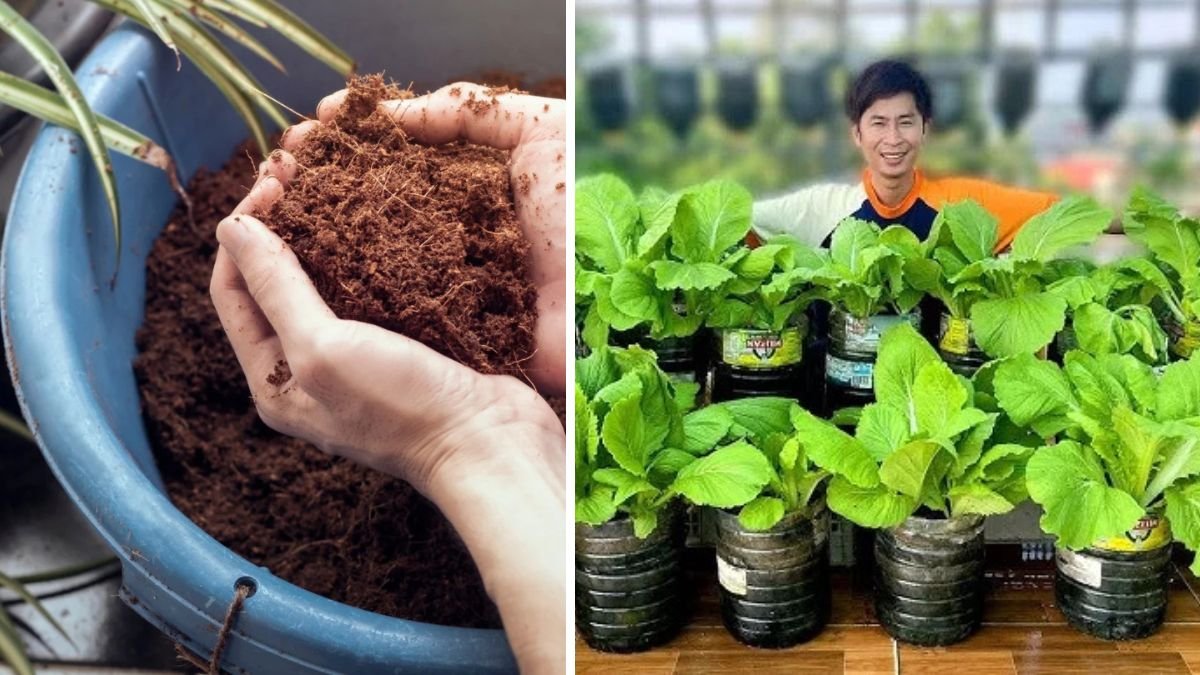
Coconut coir is a natural fiber derived from coconut husks. It’s commonly used as:
Latest Posts
- With Just 1 Bottle of Water How I Was Shocked by What Happened When Growing Vegetables
- Maximize Your Home Garden with the Hanging Pea Sprout Growing Model – Space-Saving, High-Yield, and Easy-to-Manage Vertical Gardening Solution
- Just Water – The Secret to Growing Plump, White Peanut Sprouts Right at Home: A Step-by-Step Guide for Beginners
- Growing Zucchini at Home in a Container: How to Cultivate Large, Long Fruits with a 1-to-72 Day Step-by-Step Diary for Maximum Yield
- Grow Long Beans on the Terrace in Used Recycling Baskets: The Ultimate Guide to Easy, Space-Saving, and High-Yield Terrace Gardening
- How to Grow Tons of Long Beans Easily Without a Garden – A Complete Guide to Growing Healthy Yardlong Beans Without Fertilizers or Pesticides
- Easy Long Bean Growing Trick – No Garden, No Fertilizer, No Pesticide
- Grow Bitter Melon in Bottles — Harvest So Big You Can’t Eat It All! The Ultimate Guide to Bottle Gardening for Maximum Yields
- Growing Garlic Made Easy: No Soil, Fast Results – The Ultimate Guide to Growing Fresh Garlic Indoors Without Traditional Soil
- Wall-Mounted Hydroponic Watermelon System: Grow Large, Juicy, and Delicious Watermelons at Home with Minimal Space and Maximum Yield
- A soil amendment
- A peat moss alternative
- A growing medium
Why Gardeners Love Coconut Coir
- Renewable and eco-friendly
- Excellent water retention
- Improves soil aeration
- Resistant to compaction
Unlike peat, coir doesn’t break down quickly, making it ideal for long-term soil structure.
How Coconut Coir Improves Plant Growth
1. Better Water Management
Coconut coir holds moisture while still allowing excess water to drain. This prevents:
- Root rot
- Water stress
- Uneven moisture levels
2. Improved Root Development
Loose, airy coir allows roots to expand easily, leading to:
- Stronger anchorage
- Better nutrient absorption
- Faster growth
3. Balanced Soil Environment
Coir maintains stable moisture and oxygen levels, ideal for beneficial microbes.
How to Use Coconut Coir in the Garden
For Potting Mix
- Rehydrate coir bricks with water
- Mix with compost and perlite
- Use for seedlings, houseplants, and vegetables
For Garden Beds
- Blend coir into top 6–8 inches of soil
- Combine with compost for best results
For Mulching
- Use loose coir to protect soil surface
- Helps regulate temperature and moisture
The Surprising Benefits of Milk for Plants
Milk may seem like an odd garden ingredient, but it contains:
- Calcium
- Proteins
- Amino acids
- Natural sugars
These nutrients support plant growth and microbial activity when used properly.
How Milk Benefits Plants
1. Calcium for Strong Cell Walls
Calcium:
- Prevents blossom end rot
- Strengthens stems and leaves
- Supports root development
Milk provides a mild, natural calcium source.
2. Boosts Beneficial Microbes
Milk sugars feed beneficial bacteria and fungi in the soil, helping create a healthy microbial balance.
3. Disease Suppression
Diluted milk sprays have been shown to help suppress:

- Powdery mildew
- Fungal leaf diseases
The proteins in milk create an environment hostile to certain pathogens.
How to Use Milk Safely in the Garden
Dilution Is Key
Always dilute milk:
- Mix 1 part milk to 8–10 parts water
Undiluted milk can:
- Smell bad
- Attract pests
- Cause leaf burn
Application Methods
- Soil drench around roots
- Foliar spray for disease prevention
- Apply early morning
Combining Milk and Coconut Coir
Together, milk and coir create a powerful synergy:
- Coir improves soil structure and moisture retention
- Milk feeds microbes and supplies calcium
This combination is especially useful for:
- Tomatoes
- Peppers
- Cucumbers
- Houseplants
- Seedlings
Best Plants for This Method
Plants that benefit most:
- Flowering vegetables
- Fruiting plants
- Calcium-sensitive crops
- Container-grown plants
Avoid heavy use on succulents or drought-loving plants.
Common Mistakes to Avoid
- Using flavored or sweetened milk
- Applying too frequently
- Skipping dilution
- Using poor-quality coir with excess salts
Moderation ensures success.
Long-Term Benefits
Gardeners who use milk and coconut coir consistently report:
- Healthier root systems
- Reduced disease issues
- Improved soil texture
- Stronger, more resilient plants
Final Thoughts
Using milk and coconut coir in the garden proves that effective plant care doesn’t have to be complicated or expensive. By supporting soil biology and plant structure naturally, gardeners can grow healthier plants while reducing chemical inputs. With proper use, these humble materials can transform both soil and harvests.