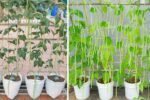
Imagine stepping outside—or simply opening a window—and harvesting fresh, crisp salad greens whenever you want. Growing organic salad greens in a window box makes this possible, even if you have limited space. It’s one of the easiest, fastest, and most rewarding ways to grow your own food.
This guide covers everything beginners need to know to grow healthy, chemical-free salad greens right at home.
Why Salad Greens Are Perfect for Window Boxes
Salad greens are ideal for container growing because they:
- Have shallow roots
- Grow quickly
- Thrive in cool temperatures
- Can be harvested repeatedly
You don’t need a backyard—just a sunny window and a box.
Best Salad Greens for Window Boxes
Choose fast-growing, compact varieties:
Latest Posts
- With Just 1 Bottle of Water How I Was Shocked by What Happened When Growing Vegetables
- Maximize Your Home Garden with the Hanging Pea Sprout Growing Model – Space-Saving, High-Yield, and Easy-to-Manage Vertical Gardening Solution
- Just Water – The Secret to Growing Plump, White Peanut Sprouts Right at Home: A Step-by-Step Guide for Beginners
- Growing Zucchini at Home in a Container: How to Cultivate Large, Long Fruits with a 1-to-72 Day Step-by-Step Diary for Maximum Yield
- Grow Long Beans on the Terrace in Used Recycling Baskets: The Ultimate Guide to Easy, Space-Saving, and High-Yield Terrace Gardening
- How to Grow Tons of Long Beans Easily Without a Garden – A Complete Guide to Growing Healthy Yardlong Beans Without Fertilizers or Pesticides
- Easy Long Bean Growing Trick – No Garden, No Fertilizer, No Pesticide
- Grow Bitter Melon in Bottles — Harvest So Big You Can’t Eat It All! The Ultimate Guide to Bottle Gardening for Maximum Yields
- Growing Garlic Made Easy: No Soil, Fast Results – The Ultimate Guide to Growing Fresh Garlic Indoors Without Traditional Soil
- Wall-Mounted Hydroponic Watermelon System: Grow Large, Juicy, and Delicious Watermelons at Home with Minimal Space and Maximum Yield
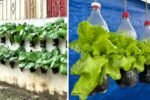
- Leaf lettuce (butterhead, loose-leaf)
- Spinach
- Arugula
- Baby kale
- Mustard greens
- Swiss chard (baby leaves)
Avoid head-forming lettuces that need more space.
Choosing the Right Window Box
Size Matters
- Minimum depth: 6–8 inches
- Longer boxes allow mixed plantings
- Drainage holes are essential
Wood, plastic, or metal all work—just ensure good drainage.
Soil for Organic Greens
Use light, nutrient-rich potting mix, not garden soil.
Best soil components:
- Organic potting mix
- Compost or worm castings
- Optional coconut coir for moisture retention
Healthy soil equals flavorful, nutrient-dense greens.
Sunlight Requirements
Salad greens prefer:
- 4–6 hours of sunlight daily
- Bright but not scorching midday sun
East- or north-facing windows work well. In hot climates, partial shade prevents bitterness.
How to Plant Salad Greens
Direct Sowing
- Scatter seeds thinly across soil
- Lightly cover with soil
- Mist gently with water
- Keep soil consistently moist
Seeds usually sprout within 5–10 days.
Watering Window Box Greens
- Water gently and evenly
- Keep soil moist but never soggy
- Window boxes dry out faster than garden beds
Watering in the morning helps prevent disease.
Organic Feeding
Salad greens don’t need heavy feeding.
- Add compost at planting time
- Use diluted organic liquid fertilizer every 2–3 weeks
- Avoid excess nitrogen, which can reduce flavor
Harvesting for Continuous Growth
The best method is cut-and-come-again harvesting:
- Cut leaves 1–2 inches above soil
- Harvest outer leaves first
- Leave the center to regrow
This allows multiple harvests from the same plants.
Succession Planting
To keep a constant supply:
- Sow new seeds every 2–3 weeks
- Replace older plants as they slow down
This ensures fresh greens all season long.
Pest Prevention Indoors
Common pests include aphids and fungus gnats.
Prevention tips:
- Good air circulation
- Avoid overwatering
- Inspect plants regularly
Most indoor window box gardens experience minimal pest issues.
Seasonal Growing Tips
- Spring/Fall: Ideal growing seasons
- Summer: Provide shade and extra water
- Winter: Use bright windows or grow lights
Many greens grow year-round indoors.
Benefits of Growing Your Own Salad Greens
- Fresh, chemical-free food
- Reduced grocery costs
- Zero food miles
- Better flavor and nutrition
- Daily connection with nature
Final Thoughts
Growing organic salad greens in a window box is one of the simplest and most rewarding forms of home gardening. With minimal space and effort, you can enjoy fresh, healthy greens whenever you like. Whether you’re a beginner or an experienced gardener, window box salads prove that good food can grow anywhere.