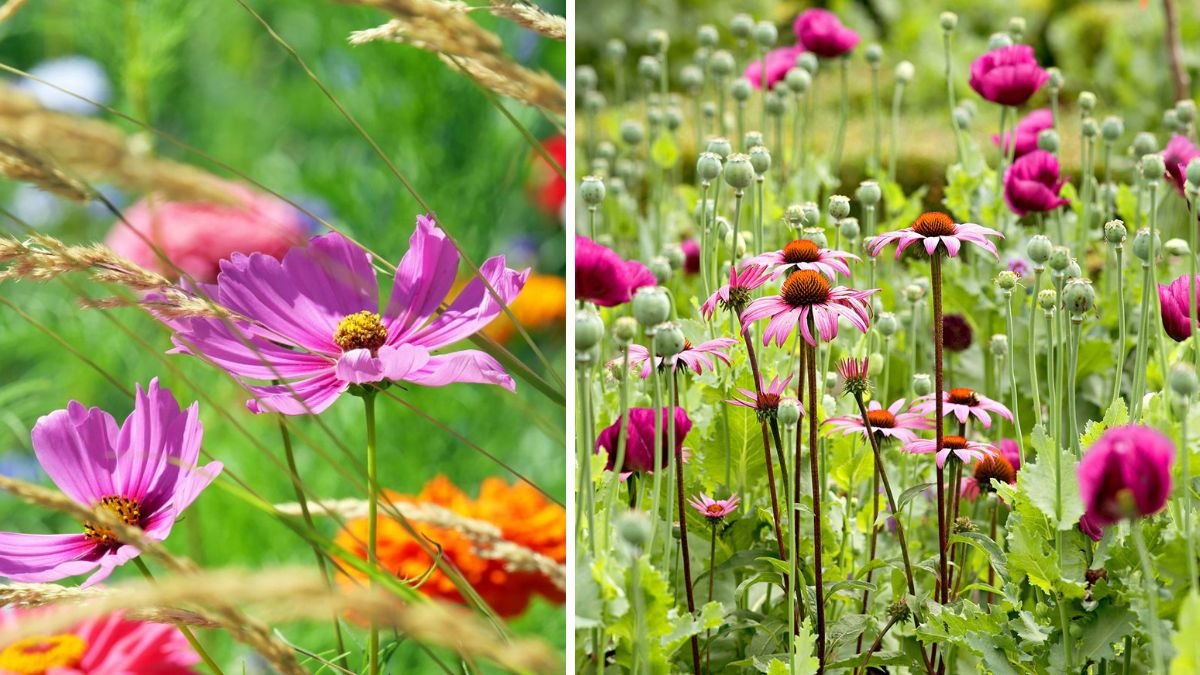
Traditional lawns have long been considered the standard for home landscapes. However, many gardeners are now questioning whether grass is truly the best option. Wildflower gardens are gaining popularity as a more sustainable, colorful, and wildlife-friendly alternative.
This article explores whether planting wildflowers is better than grass, comparing environmental impact, maintenance needs, beauty, and long-term benefits.
The Downsides of Traditional Grass Lawns
While grass lawns look neat, they come at a cost:
- High water consumption
- Frequent mowing and maintenance
- Heavy fertilizer and pesticide use
- Limited support for pollinators
- Poor drought resilience
In many regions, lawns are one of the least eco-friendly landscape choices.
What Is a Wildflower Garden?
A wildflower garden consists of native or adapted flowering plants that grow naturally in your region. These plants are:
Latest Posts
- With Just 1 Bottle of Water How I Was Shocked by What Happened When Growing Vegetables
- Maximize Your Home Garden with the Hanging Pea Sprout Growing Model – Space-Saving, High-Yield, and Easy-to-Manage Vertical Gardening Solution
- Just Water – The Secret to Growing Plump, White Peanut Sprouts Right at Home: A Step-by-Step Guide for Beginners
- Growing Zucchini at Home in a Container: How to Cultivate Large, Long Fruits with a 1-to-72 Day Step-by-Step Diary for Maximum Yield
- Grow Long Beans on the Terrace in Used Recycling Baskets: The Ultimate Guide to Easy, Space-Saving, and High-Yield Terrace Gardening
- How to Grow Tons of Long Beans Easily Without a Garden – A Complete Guide to Growing Healthy Yardlong Beans Without Fertilizers or Pesticides
- Easy Long Bean Growing Trick – No Garden, No Fertilizer, No Pesticide
- Grow Bitter Melon in Bottles — Harvest So Big You Can’t Eat It All! The Ultimate Guide to Bottle Gardening for Maximum Yields
- Growing Garlic Made Easy: No Soil, Fast Results – The Ultimate Guide to Growing Fresh Garlic Indoors Without Traditional Soil
- Wall-Mounted Hydroponic Watermelon System: Grow Large, Juicy, and Delicious Watermelons at Home with Minimal Space and Maximum Yield

- Well-suited to local climate and soil
- Low-maintenance once established
- Highly beneficial to insects and wildlife
Wildflowers can be planted in full yards, borders, meadows, or mixed landscapes.
Environmental Benefits of Wildflowers
1. Water Conservation
Wildflowers require far less water than turf grass, especially once established.
2. Pollinator Support
Wildflowers provide nectar and pollen for:
- Bees
- Butterflies
- Birds
- Beneficial insects
Grass offers almost no food for pollinators.
3. Reduced Chemical Use
Native wildflowers typically don’t need fertilizers or pesticides, reducing chemical runoff into waterways.
Maintenance Comparison: Grass vs. Wildflowers
Grass Lawns
- Weekly mowing
- Regular watering
- Seasonal fertilizing
- Weed control
Wildflower Gardens
- Occasional trimming
- Minimal watering
- Natural weed suppression
- Seasonal reseeding if desired
Wildflowers dramatically reduce time, cost, and effort.
Aesthetic Appeal
Wildflowers provide:
- Changing colors throughout the seasons
- Natural movement and texture
- A relaxed, organic look
Unlike grass, wildflowers evolve over time, offering visual interest year-round.
Soil Health and Biodiversity
Wildflower roots:
- Improve soil structure
- Prevent erosion
- Increase organic matter
- Support underground ecosystems
Grass lawns have shallow roots that do little to enhance soil health.

Climate Resilience
Wildflowers are:
- More drought-tolerant
- Better adapted to temperature extremes
- Resilient to pests and diseases
This makes them ideal for climate-conscious gardening.
Potential Challenges of Wildflowers
- Slower establishment in the first year
- Less “tidy” appearance
- Requires planning for plant selection
- Some neighbors may resist non-traditional lawns
These challenges are temporary and manageable with thoughtful design.
How to Transition From Grass to Wildflowers
- Remove existing turf
- Prepare soil lightly—avoid over-fertilizing
- Choose region-appropriate wildflower mixes
- Sow seeds evenly
- Water during establishment phase
Patience is key; most wildflower gardens shine in their second year.
Blending Wildflowers With Grass
You don’t have to choose one or the other:

- Wildflower borders
- Meadow strips
- Pollinator patches
- Mixed lawns with clover and flowers
These hybrid approaches balance beauty and function.
Long-Term Cost Benefits
Wildflowers:
- Reduce water bills
- Eliminate mowing equipment costs
- Lower fertilizer expenses
Over time, wildflowers are significantly more economical.
Final Thoughts
For gardeners seeking beauty, sustainability, and biodiversity, wildflowers often outperform traditional grass lawns. They conserve water, support wildlife, improve soil health, and require far less maintenance. While grass may still have a place in certain areas, replacing all or part of a lawn with wildflowers creates a garden that is alive, resilient, and environmentally responsible.
Choosing wildflowers isn’t just a landscaping decision—it’s a commitment to a healthier ecosystem right outside your door.