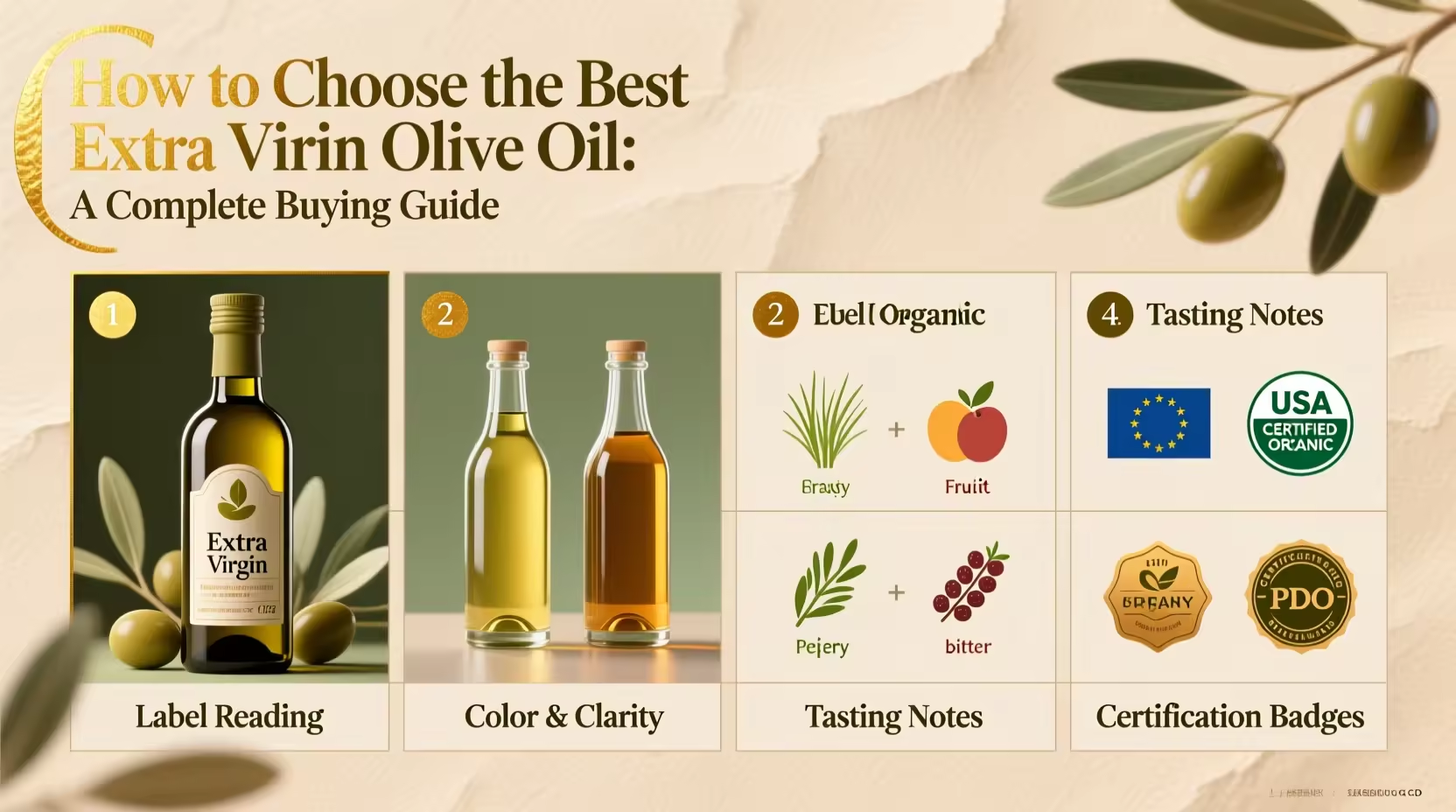
When learning how to choose olive oil extra virgin, focus on freshness, authenticity, and production transparency. The best extra virgin olive oil comes from single-origin estates, has a recent harvest date (within the last 12–18 months), and is stored in dark glass or tinned containers to prevent oxidation 1. Avoid misleading terms like ‘light’ or ‘pure’ that indicate refined oils. Instead, prioritize bottles labeled ‘extra virgin,’ with a low free acidity (below 0.8%), and third-party certifications such as COOC or PDO. These factors ensure maximum flavor, nutritional value, and protection against adulteration.
About Olive Oil Extra Virgin
Extra virgin olive oil (EVOO) is the highest quality grade of olive oil available. It is derived solely from the mechanical pressing of olives, without the use of heat or chemicals, preserving its natural flavors, aromas, and health-promoting compounds like polyphenols and monounsaturated fats 2. To qualify as “extra virgin,” the oil must meet strict chemical and sensory standards, including a free acidity level below 0.8% and no defects in taste.
EVOO is commonly used in salad dressings, drizzling over finished dishes, dips like hummus or bread dipping, and low- to medium-heat cooking. Due to its low smoke point (typically between 320°F and 375°F), it’s not ideal for deep frying or high-temperature searing unless specifically labeled as suitable for such use. Its robust flavor profile ranges from peppery and grassy to buttery and fruity, depending on the olive variety, region, and harvest time.
Why Olive Oil Extra Virgin Is Gaining Popularity
Consumers are increasingly turning to extra virgin olive oil due to growing awareness of its health benefits and culinary versatility. Rich in antioxidants and linked to reduced risks of heart disease, stroke, and inflammation, EVOO is a cornerstone of the Mediterranean diet, one of the most studied and recommended dietary patterns globally 3.
Beyond health, people are more concerned about food authenticity and sustainability. Many mass-market oils have been found to be diluted with cheaper seed oils or mislabeled, prompting demand for traceable, ethically produced options. As a result, buyers now seek transparent sourcing, cold extraction methods, and independent testing to verify purity.
Latest Posts
- With Just 1 Bottle of Water How I Was Shocked by What Happened When Growing Vegetables
- Maximize Your Home Garden with the Hanging Pea Sprout Growing Model – Space-Saving, High-Yield, and Easy-to-Manage Vertical Gardening Solution
- Just Water – The Secret to Growing Plump, White Peanut Sprouts Right at Home: A Step-by-Step Guide for Beginners
- Growing Zucchini at Home in a Container: How to Cultivate Large, Long Fruits with a 1-to-72 Day Step-by-Step Diary for Maximum Yield
- Grow Long Beans on the Terrace in Used Recycling Baskets: The Ultimate Guide to Easy, Space-Saving, and High-Yield Terrace Gardening
- How to Grow Tons of Long Beans Easily Without a Garden – A Complete Guide to Growing Healthy Yardlong Beans Without Fertilizers or Pesticides
- Easy Long Bean Growing Trick – No Garden, No Fertilizer, No Pesticide
- Grow Bitter Melon in Bottles — Harvest So Big You Can’t Eat It All! The Ultimate Guide to Bottle Gardening for Maximum Yields
- Growing Garlic Made Easy: No Soil, Fast Results – The Ultimate Guide to Growing Fresh Garlic Indoors Without Traditional Soil
- Wall-Mounted Hydroponic Watermelon System: Grow Large, Juicy, and Delicious Watermelons at Home with Minimal Space and Maximum Yield
Types and Variants of Olive Oil
Understanding the different types of olive oil is essential when deciding what to look for in olive oil extra virgin. Not all products labeled “olive oil” are equal. Here’s a breakdown:
1. Extra Virgin Olive Oil (EVOO)
- Pros: Highest quality; unrefined; rich in flavor and nutrients; contains anti-inflammatory polyphenols.
- Cons: More expensive; sensitive to light and heat; shorter shelf life if improperly stored.
2. Virgin Olive Oil
- Pros: Still mechanically extracted; minimal processing; acceptable taste.
- Cons: Higher acidity than EVOO (up to 2%); less complex flavor; fewer antioxidants.
3. Refined Olive Oil
- Pros: Neutral flavor; higher smoke point; often blended to reduce cost.
- Cons: Processed with solvents and heat; stripped of most beneficial compounds; not suitable for those seeking authentic EVOO benefits.
4. Pure Olive Oil / Light Olive Oil
- Pros: Inexpensive; consistent flavor; good for baking or frying where olive taste isn’t desired.
- Cons: Misleading name—“light” refers to color and flavor, not calories; highly processed; lacks health advantages of EVOO.
For health and taste, only extra virgin should be considered when selecting premium oil. Other grades may serve functional purposes but do not offer the same benefits.

Key Features and Specifications to Evaluate
To make an informed decision on how to choose olive oil extra virgin, consider these measurable and observable criteria:
Harvest Date
The most critical factor. Freshness directly affects flavor and antioxidant content. Look for a clearly marked harvest or “best by” date. Ideally, consume within 18 months of harvest. Oils older than two years lose much of their polyphenol content and develop rancid notes.
Free Acidity Level
A chemical measure of degradation. True EVOO must have less than 0.8% free fatty acids. Lower acidity (<0.5%) often indicates superior quality and careful handling. This information is rarely on consumer labels but may appear in lab reports or brand websites.
Bottle Material
Dark glass, stainless steel, or tin containers protect oil from UV light, which accelerates oxidation. Avoid clear plastic or glass bottles, especially when displayed under store lighting.
Origin and Traceability
Single-origin oils (e.g., “from Tuscany, Italy”) typically offer better traceability and consistency than blends. Check for estate names, farm locations, or batch numbers. Widespread blending across countries can mask poor-quality oils.
Certifications
Third-party seals add credibility:
- PDO (Protected Designation of Origin): EU certification ensuring geographic authenticity.
- PGI (Protected Geographical Indication): Less strict than PDO but still verifies regional origin.
- COOC (California Olive Oil Council): Rigorous U.S.-based standard for flavor and chemistry.
- IOOC (International Olive Council): Global benchmark, though enforcement varies.
Note: Some reputable producers may lack certifications due to cost, so absence doesn’t automatically mean inferior quality.

Polyphenol Content
Higher polyphenols mean greater antioxidant activity and often a spicier, more pungent taste. Some premium brands list polyphenol levels (measured in mg/kg). Aim for at least 150 mg/kg for noticeable health impact.
Pros and Cons of Extra Virgin Olive Oil
When It’s Ideal:
- You want maximum health benefits from your fat intake.
- You enjoy bold, nuanced flavors in raw applications.
- You follow a heart-healthy or anti-inflammatory diet.
- You cook at low to moderate temperatures.
When It May Not Be Suitable:
- You need a neutral-flavored oil for baking or frying.
- You’re on a tight budget and won’t use it frequently enough to justify cost.
- Storage conditions are poor (e.g., near stove or in sunlight).
- You cannot verify authenticity and risk buying adulterated product.
How to Choose Olive Oil Extra Virgin: A Step-by-Step Guide
Follow this checklist to avoid common pitfalls and select a trustworthy product:
- Check the label for ‘Extra Virgin’ only. Avoid “pure,” “light,” or “blended” oils.
- Look for a harvest date, not just a “best by” date. If missing, assume it’s old stock.
- Choose dark or opaque packaging. Clear bottles increase exposure to degrading light.
- Prefer smaller bottles (250–500ml) if usage is infrequent to ensure freshness.
- Review the origin. Specific regions (e.g., Kalamata, Greece; Andalusia, Spain) suggest traceability.
- Search for third-party certifications like COOC, PDO, or USDA Organic (if applicable).
- Avoid deals that seem too good to be true. Genuine EVOO requires labor-intensive farming and prompt processing.
- Smell and taste if possible. Fresh EVOO should smell green and fresh, with a peppery bite on the tongue.
Red flags: No harvest date, vague origin (“imported from Italy” when olives weren’t grown there), plastic container, price below $10 per liter (for non-sale items), or absence of acidity/polyphenol data.
Price & Market Insights
High-quality extra virgin olive oil typically costs between $15 and $40 per liter. Prices below $10/liter often indicate dilution or poor quality 4. Premium estate oils with lab verification can exceed $50/liter but are usually sold in small batches.
Value tiers:
- Budget ($8–$14/L): Often blends; limited traceability; acceptable for occasional use if certified.
- Middle-tier ($15–$25/L): Best balance of quality and affordability; likely single-origin or co-op sourced; common in specialty stores.
- Premium ($26+/L): Small-batch, early harvest, high polyphenol; ideal for connoisseurs or medicinal use.
Remember: Price alone isn’t a guarantee. Some expensive brands rely on branding over substance. Always cross-check with reviews and certifications.
| Brand (Example) | Price per Liter | Harvest Date? | Certification | Notable Feature |
|---|---|---|---|---|
| California Olive Ranch | $16 | Yes | COOC | Consistently fresh, US-grown |
| Bradley H. (Australia) | $38 | Yes | Organic, ISO tested | High polyphenol, award-winning |
| Filippo Berio (Classic Line) | $12 | No | None listed | Widely available but lacks transparency |
Note: This comparison is illustrative. Always verify current product details before purchase.

Customer Feedback Synthesis
Analysis of thousands of customer reviews reveals consistent themes:
Common Praises:
- “Fresh, grassy aroma and peppery finish.”
- “Noticeably smoother digestion and less heartburn.”
- “Great for salads and finishing dishes.”
- “Love seeing the harvest date on the bottle.”
Common Complaints:
- “Oil tasted rancid upon opening—likely old stock.”
- “No harvest date, and the flavor was flat.”
- “Overpriced for what it is; didn’t taste different from cheaper brands.”
- “Bottle was clear plastic—exposed to light on shelf.”
These insights reinforce the importance of freshness indicators, packaging, and realistic expectations based on price.
Sourcing & Supplier Tips
Where you buy matters. Supermarkets often carry older inventory due to long distribution chains. Specialty grocers, farmers markets, or direct-from-producer online stores tend to offer fresher batches.
For bulk purchases (e.g., restaurants or households using large volumes), consider joining a cooperative or subscribing to a farm-fresh oil club. Ensure proper storage: keep oil in a cool, dark place, away from heat sources. Once opened, aim to use within 30–60 days for peak quality.
If reselling or sourcing for business, request lot-specific lab reports verifying free acidity and peroxide levels. Reputable suppliers provide these upon request.

Maintenance, Safety & Legal Considerations
Store EVOO in a tightly sealed container at room temperature, ideally between 57°F and 70°F. Avoid refrigeration, which can cause clouding and texture changes, though it doesn’t spoil the oil.
Smoke point varies by quality—fresh EVOO may smoke around 375°F, while degraded oil smokes lower. For sautéing, keep heat moderate. Never reuse EVOO after frying.
Legally, labeling standards vary by country. In the U.S., the FDA follows IOOC guidelines but enforcement is limited. The European Union enforces stricter controls, but fraud still occurs. When in doubt, choose brands that voluntarily submit to third-party testing.
Conclusion
Knowing how to choose olive oil extra virgin comes down to prioritizing freshness, transparency, and authenticity. Look for a recent harvest date, dark packaging, credible certifications, and specific origin information. While price can indicate quality, it’s not foolproof—always check for red flags like missing dates or vague labeling. Whether you’re using it for heart health, cooking, or both, investing in genuine extra virgin olive oil pays off in flavor and wellness. By following this guide, you can confidently select a product that meets both culinary and nutritional standards.
FAQs
Q: How long does extra virgin olive oil last after opening?
A: Use within 30–60 days for best flavor and nutrient retention. Unopened, it can last 18–24 months if stored properly.
Q: Can I cook with extra virgin olive oil?
A: Yes, for low- to medium-heat cooking (up to 375°F). It’s excellent for sautéing, roasting, and finishing dishes.
Q: What does a peppery taste in olive oil mean?
A: It indicates high polyphenol content, particularly oleocanthal, which has anti-inflammatory properties.

Q: Is organic olive oil better?
A: Organic certification ensures no synthetic pesticides, but doesn’t guarantee freshness or purity. Combine with other quality markers.
Q: How can I test if my olive oil is real?
A: There’s no reliable home test. Trustworthy brands provide third-party lab results. Suspiciously cheap oils or those lacking harvest dates are higher risk.