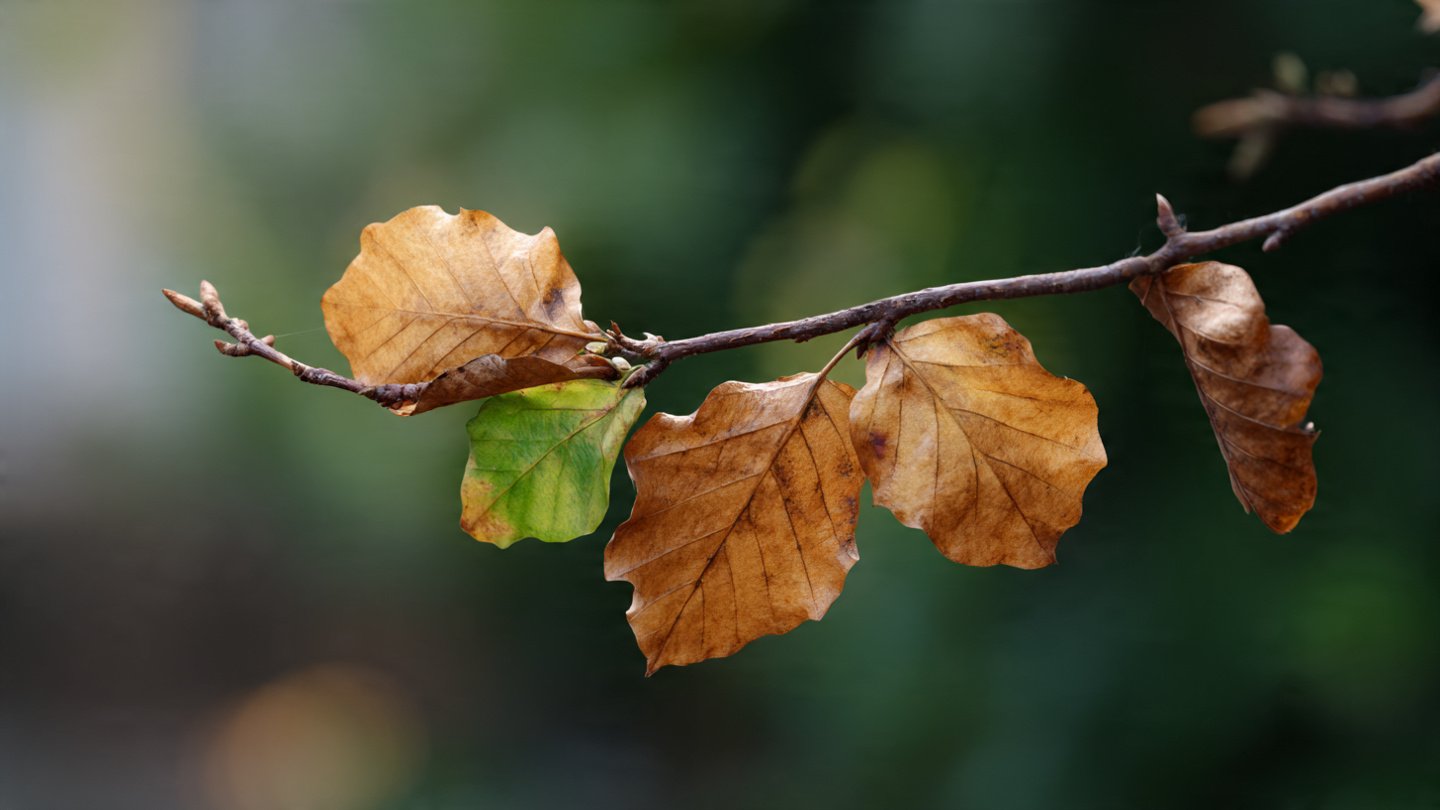
Leaves are the lifeblood of a plant, involved in processes like photosynthesis and transpiration. However, sometimes they exhibit unusual behavior, curling inward, which can be a cause for concern among gardeners and plant enthusiasts. Understanding the factors that lead to leaves curling can help diagnose problems and save your plants. In this article, we will explore various reasons behind leaf curling, ranging from environmental conditions to pest infestations.
1. Environmental Factors
Latest Posts
- With Just 1 Bottle of Water How I Was Shocked by What Happened When Growing Vegetables
- Maximize Your Home Garden with the Hanging Pea Sprout Growing Model – Space-Saving, High-Yield, and Easy-to-Manage Vertical Gardening Solution
- Just Water – The Secret to Growing Plump, White Peanut Sprouts Right at Home: A Step-by-Step Guide for Beginners
- Growing Zucchini at Home in a Container: How to Cultivate Large, Long Fruits with a 1-to-72 Day Step-by-Step Diary for Maximum Yield
- Grow Long Beans on the Terrace in Used Recycling Baskets: The Ultimate Guide to Easy, Space-Saving, and High-Yield Terrace Gardening
- How to Grow Tons of Long Beans Easily Without a Garden – A Complete Guide to Growing Healthy Yardlong Beans Without Fertilizers or Pesticides
- Easy Long Bean Growing Trick – No Garden, No Fertilizer, No Pesticide
- Grow Bitter Melon in Bottles — Harvest So Big You Can’t Eat It All! The Ultimate Guide to Bottle Gardening for Maximum Yields
- Growing Garlic Made Easy: No Soil, Fast Results – The Ultimate Guide to Growing Fresh Garlic Indoors Without Traditional Soil
- Wall-Mounted Hydroponic Watermelon System: Grow Large, Juicy, and Delicious Watermelons at Home with Minimal Space and Maximum Yield
1.1 Temperature Stress
Plants have specific temperature ranges in which they thrive. If temperatures are too high or low, it can induce stress, causing leaves to curl inward as a defensive mechanism. Heat stress often leads to moisture loss, resulting in dehydration, which makes the leaves curl to minimize surface area and reduce water loss.
1.2 Humidity Levels
Humidity significantly impacts a plant’s health. Too little humidity can lead to dehydration, while excessive moisture can encourage fungal diseases. When a plant experiences high temperatures combined with low humidity, it often results in inward curling leaves. Increasing humidity levels, either through misting or using a humidifier, can help alleviate this issue.
1.3 Light Conditions
Light is a crucial factor for plant growth. Insufficient light can lead to weak, unhealthy plants, resulting in leaf curling as the plant adjusts to conserve energy. Conversely, too much direct sunlight can scorch the leaves, causing them to curl and turn crispy. It’s essential to place plants in optimal light conditions, ensuring they receive adequate but not excessive sunlight.
2. Nutritional Deficiencies
2.1 Nitrogen Deficiency
Nitrogen is an essential nutrient that promotes healthy leaf growth. A deficiency can lead to yellowing and curling of the leaves. If a plant lacks nitrogen, the lower leaves may turn yellow first, followed by upward curling as the plant attempts to preserve resources for new growth.
2.2 Potassium Deficiency
Potassium is vital for regulating various physiological processes in plants, including water retention and enzyme activation. A potassium deficiency can lead to curling leaves, typically accompanied by browning leaf tips. Soil testing can help diagnose nutrient deficiencies, allowing for timely intervention.
3. Pest Infestations
3.1 Aphids
Aphids are small, sap-sucking insects that can weaken plants, causing leaves to curl and distort. These pests feed on plant sap, leading to reduced growth and vigor. In severe cases, aphid infestations can stunt plant growth and lead to leaf drop.
3.2 Spider Mites
Spider mites are notorious for causing leaf curling by piercing leaves and sucking out the sap. Infested leaves often display a stippled appearance due to the damage. Regular inspection and the introduction of natural predators can help manage spider mite populations.
4. Diseases
4.1 Fungal Infections
Fungal diseases can lead to a variety of symptoms, including leaf curling. For instance, downy mildew may cause leaves to curl downward as they turn yellow. Identifying the specific fungus is crucial, as treatment options will vary based on the pathogen involved.
4.2 Viral Infections

Viruses can cause a range of symptoms, including curling leaves, mottled patterns, and stunted growth. Once a plant is infected, there is often little that can be done aside from removing and destroying the affected plant to prevent the spread of the virus.
5. Physiological Factors
5.1 Overwatering
Excess water in the soil leads to root damage and can cause leaves to curl. Overwatering deprives the roots of necessary oxygen, leading to stress. To remedy this, allow the soil to dry out between watering sessions and ensure proper drainage.
5.2 Transplant Shock
When a plant is moved to a new location, it may experience transplant shock, resulting in curled leaves as it adapts to its new environment. Providing extra care during the transition, such as appropriate watering and avoiding direct sunlight, can help ease this stress.
Conclusion
Understanding the factors that cause leaves to curl inward is crucial for maintaining the health of your plants. By recognizing environmental stresses, addressing pest problems, and ensuring proper nutrition, you can take proactive measures to remedy these issues. Regularly monitoring your plants and providing them with the proper care can help prevent leaf curling, ensuring your garden remains vibrant and thriving. Knowledge is power when it comes to plant care, so stay informed and attentive, and your plants will reward you with lush, healthy foliage.
FAQs
Q1: Can leaf curling be reversed?
A: Yes, depending on the cause, leaf curling can often be reversed. Addressing the underlying issue—such as adjusting watering habits, correcting nutrient deficiencies, or treating pests—can lead to improvement in leaf appearance.
Q2: How can I tell if my plant is overwatered?
A: Signs of overwatering include yellowing leaves, leaf drop, and a mushy or rotten smell from the soil. If your plant’s leaves are curling and the soil feels excessively wet, you may be overwatering.
Q3: What measures can I take to prevent pest infestations?
A: Regularly inspect your plants for signs of pests, maintain healthy growing conditions, and use natural insecticides or introduce beneficial insects as a natural control measure.
Q4: Is it normal for leaves to curl in winter?
A: Some plants may naturally curl their leaves in response to lower light and humidity levels during winter, but extreme curling may indicate stress that needs to be addressed.
Q5: Can leaf curling happen in indoor plants as well?
A: Yes, indoor plants can also experience leaf curling due to factors such as inadequate lighting, low humidity, temperature extremes, and pest infestations. Regular care and observation will help mitigate these issues.