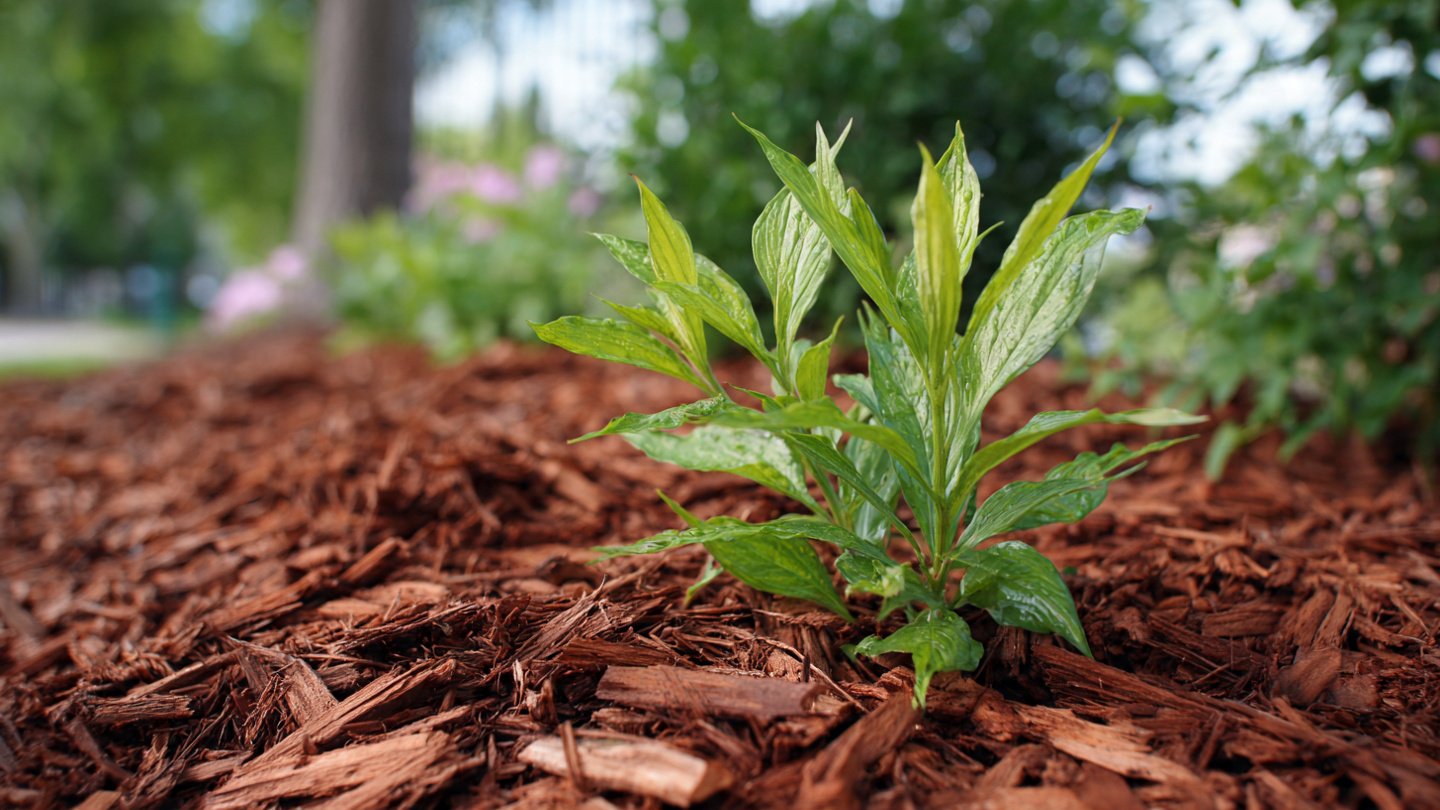
Mulch is an essential component in gardening and landscaping, offering a multitude of benefits that can enhance plant health and improve soil conditions. Used effectively, mulch can be a vital tool in combating heat stress and fostering a robust soil ecosystem. This article explores how mulch protects plants from the harshness of summer heat while simultaneously boosting soil health.
What is Mulch?
Mulch is any material spread or laid over the soil surface to enhance its quality. It can be organic (such as bark, wood chips, straw, and leaves) or inorganic (like stones, gravel, or plastic). The choice of mulch can greatly impact its effectiveness in achieving various gardening goals.
Latest Posts
- With Just 1 Bottle of Water How I Was Shocked by What Happened When Growing Vegetables
- Maximize Your Home Garden with the Hanging Pea Sprout Growing Model – Space-Saving, High-Yield, and Easy-to-Manage Vertical Gardening Solution
- Just Water – The Secret to Growing Plump, White Peanut Sprouts Right at Home: A Step-by-Step Guide for Beginners
- Growing Zucchini at Home in a Container: How to Cultivate Large, Long Fruits with a 1-to-72 Day Step-by-Step Diary for Maximum Yield
- Grow Long Beans on the Terrace in Used Recycling Baskets: The Ultimate Guide to Easy, Space-Saving, and High-Yield Terrace Gardening
- How to Grow Tons of Long Beans Easily Without a Garden – A Complete Guide to Growing Healthy Yardlong Beans Without Fertilizers or Pesticides
- Easy Long Bean Growing Trick – No Garden, No Fertilizer, No Pesticide
- Grow Bitter Melon in Bottles — Harvest So Big You Can’t Eat It All! The Ultimate Guide to Bottle Gardening for Maximum Yields
- Growing Garlic Made Easy: No Soil, Fast Results – The Ultimate Guide to Growing Fresh Garlic Indoors Without Traditional Soil
- Wall-Mounted Hydroponic Watermelon System: Grow Large, Juicy, and Delicious Watermelons at Home with Minimal Space and Maximum Yield
How Mulch Protects Plants from Heat Stress
1. Temperature Moderation
One of the primary benefits of mulch is its ability to regulate soil temperature. During the sweltering summer months, soil can reach extreme temperatures, which can inhibit root development and stress plants. Mulch helps to create a buffer, keeping the soil cooler and more stable. In fact, studies have shown that mulched areas can have temperature variations of up to 15 degrees Fahrenheit compared to bare soil.
2. Moisture Retention
Mulch acts as a protective barrier that reduces evaporation. This is particularly important during hot months when plants need moisture to survive. By retaining moisture in the soil, mulch helps to ensure that plants are adequately hydrated, reducing the likelihood of heat stress. A well-mulched garden requires fewer waterings, which is especially valuable during dry spells.

3. Reduction of Heat Radiation
Another significant function of mulch is that it reduces the amount of heat that radiates from the soil during the day. This is particularly crucial for sensitive plants that may be harmed by high temperatures. The insulating properties of mulch protect plant roots and minimize the chances of thermal shock.
Improving Soil Health Through Mulching
1. Nutrient Enrichment
Organic mulches, in particular, enhance soil health by adding nutrients back into the soil as they break down. Materials like wood chips and straw decompose over time and enrich the soil with essential nutrients, such as nitrogen, phosphorus, and potassium. This natural process can promote better plant growth and yield over time.
2. Soil Structure and Aeration
Applying mulch helps improve soil structure. The decomposition of organic materials enhances soil texture, promoting better aeration and drainage. Good aeration is vital for healthy root development, allowing plants to access water and nutrients more efficiently.
3. Weed Suppression

Mulch serves as a barrier to weeds, preventing them from germinating and competing with plants for nutrients and water. By inhibiting weed growth, mulch ensures that plants have the resources they need to thrive even in extreme conditions. Less competition also means that plants can develop stronger root systems and grow healthier overall.
4. Erosion Control
Another critical function of mulch is erosion control. Rainfall can wash away soil, especially on sloped areas, undermining plant growth. A layer of mulch provides stability, reducing the impact of raindrops and slowing down water runoff. This helps preserve the topsoil, which is essential for a healthy plant ecosystem.
Choosing the Right Mulch
Choosing the appropriate type of mulch is essential for maximizing its benefits. Here are some options:
- Bark Mulch: Good for ornamental gardens; long-lasting and breaks down slowly.
- Wood Chips: Ideal for vegetable and flower gardens; enriches soil as it decomposes.
- Straw: Great for vegetable patches; lightweight and easy to apply.
- Grass Clippings: A free option; high in nitrogen but should be applied thinly to avoid matting.
- Stones/Gravel: Inorganic option suitable for pathways and decorative areas; does not decompose but can retain some soil moisture.

Best Practices for Applying Mulch
1. Apply at the Right Time
The best time to apply mulch is during the spring after the soil has warmed but before summer heat sets in. This timing allows for temperature moderation and moisture retention during the hotter months.
2. Use the Right Depth
Applying too much mulch can create its own set of problems. A 2-4 inch layer is usually optimal; anything thicker may suffocate plant roots or macerate the plants themselves.
3. Maintain the Mulch Layer
Mulch layers should be periodically checked and replenished as necessary. Organic mulches will decompose over time, while inorganic options may require repositioning to be effective.

Conclusion
Mulch is an essential tool in gardening, offering numerous benefits that protect plants from heat stress while improving soil health. From temperature moderation and moisture retention to nutrient enrichment and weed suppression, the advantages of mulch are clear. By employing proper mulching techniques, gardeners can create resilient ecosystems that thrive even in challenging weather conditions. As we continue to face increasingly erratic weather patterns, the importance of integrating mulch into gardening practices becomes ever more critical.
FAQs
1. Can I use any material as mulch?
While many materials can serve as mulch, it’s best to choose organic options that decompose and enrich the soil, such as wood chips, straw, or grass clippings. Inorganic materials like gravel can be useful too, but they don’t improve soil health.
2. How often should I replace my mulch?
Organic mulch needs to be replenished annually, as it decomposes. Inorganic mulch, however, requires less frequent maintenance but should still be inspected periodically.
3. Is mulch effective in winter?

Yes, mulch can protect plant roots from freezing temperatures in winter. It serves as insulation, reducing the fluctuations in soil temperature that can harm plant roots.
4. Is there a difference between mulch and compost?
Yes, mulch is applied on the soil surface to retain moisture and suppress weeds, while compost is often mixed into the soil to improve its fertility and structure.
5. How can I tell if I’m using too much mulch?
If you notice that your plants are struggling, root rot, or excessive mold growth, you may be using too much mulch. It’s important to maintain a balanced layer (2-4 inches) to ensure optimal health.