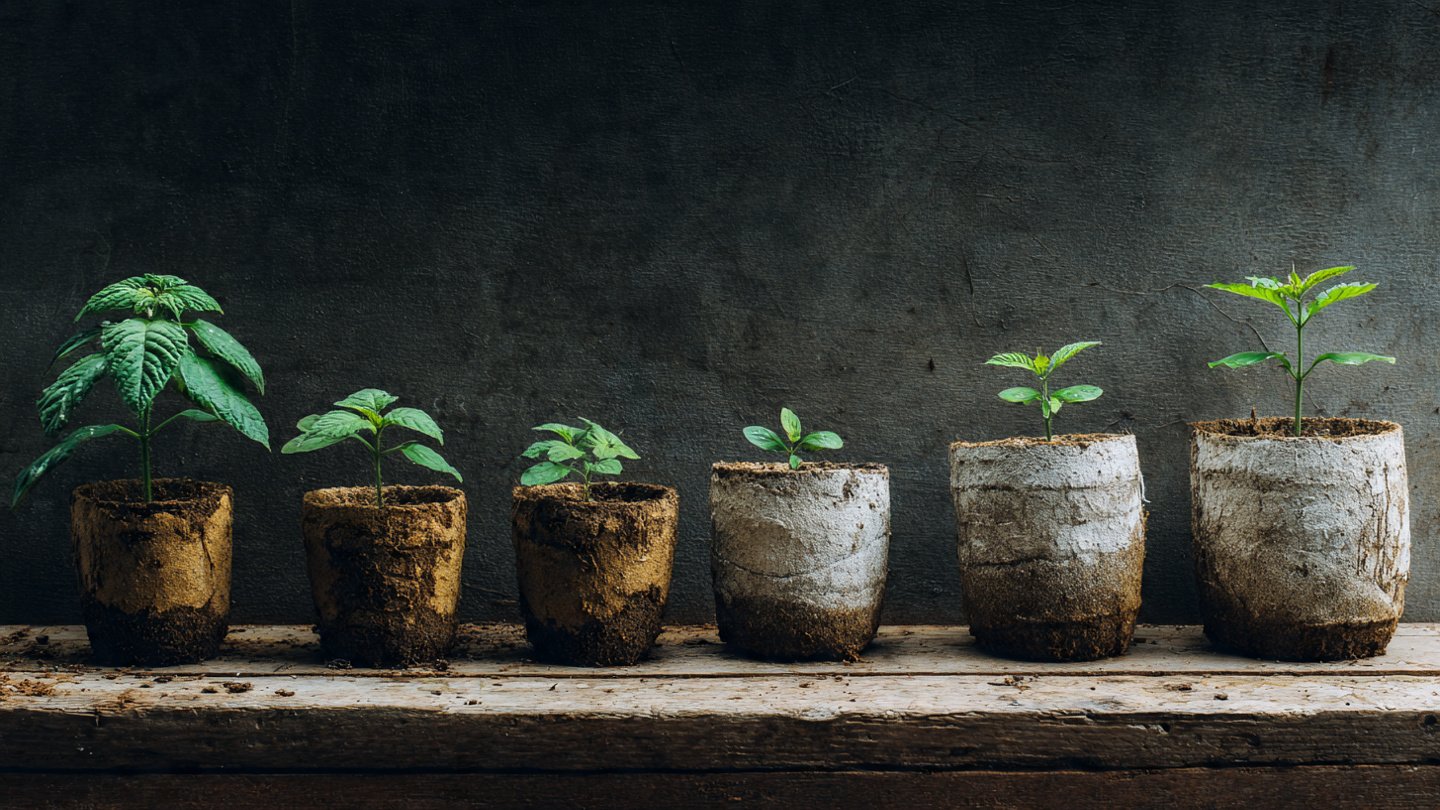
In recent years, there has been a growing interest in the use of compost as a sustainable and eco-friendly way to enhance soil health. While compost is generally valued for its ability to enrich soil with nutrients, the acidity level of the compost can significantly influence its effectiveness. This article delves into the effects of acidic compost on plant growth, providing insights into the benefits and potential drawbacks of using compost with a lower pH.
What is Acidic Compost?
Compost is created through the decomposition of organic matter, which can include kitchen scraps, yard waste, and other biodegradable materials. The pH level of compost indicates its acidity or alkalinity, measured on a scale from 0 to 14, with 7 being neutral. Compost with a pH below 7 is considered acidic.
Latest Posts
- With Just 1 Bottle of Water How I Was Shocked by What Happened When Growing Vegetables
- Maximize Your Home Garden with the Hanging Pea Sprout Growing Model – Space-Saving, High-Yield, and Easy-to-Manage Vertical Gardening Solution
- Just Water – The Secret to Growing Plump, White Peanut Sprouts Right at Home: A Step-by-Step Guide for Beginners
- Growing Zucchini at Home in a Container: How to Cultivate Large, Long Fruits with a 1-to-72 Day Step-by-Step Diary for Maximum Yield
- Grow Long Beans on the Terrace in Used Recycling Baskets: The Ultimate Guide to Easy, Space-Saving, and High-Yield Terrace Gardening
- How to Grow Tons of Long Beans Easily Without a Garden – A Complete Guide to Growing Healthy Yardlong Beans Without Fertilizers or Pesticides
- Easy Long Bean Growing Trick – No Garden, No Fertilizer, No Pesticide
- Grow Bitter Melon in Bottles — Harvest So Big You Can’t Eat It All! The Ultimate Guide to Bottle Gardening for Maximum Yields
- Growing Garlic Made Easy: No Soil, Fast Results – The Ultimate Guide to Growing Fresh Garlic Indoors Without Traditional Soil
- Wall-Mounted Hydroponic Watermelon System: Grow Large, Juicy, and Delicious Watermelons at Home with Minimal Space and Maximum Yield
Factors that can contribute to the acidity of compost include:
- The types of materials used (e.g., pine needles, coffee grounds, and citrus peels tend to be more acidic)
- Microbial activity during the decomposition process
- The ratio of carbon to nitrogen in the compost

The Role of pH in Plant Growth
The pH of soil plays a critical role in determining nutrient availability, microbial activity, and overall plant health. Each plant species has an optimal pH range for growth, and deviations from this range can lead to various physiological issues. For most plants, the ideal pH range is between 6 and 7. However, some plants, such as blueberries and azaleas, thrive in more acidic conditions.
Benefits of Acidic Compost
1. Nutrient Availability: Acidic compost can enhance the availability of certain essential nutrients, such as iron, manganese, and zinc, which can become more accessible to plants in lower pH conditions. This can be particularly beneficial for acid-loving plants that require these nutrients in larger amounts.
2. Microbial Activity: Acidic conditions can encourage the growth of specific beneficial microorganisms in the soil, improving the breakdown of organic matter and organic nutrient cycling. This can lead to healthier soil ecosystems and more robust plant growth.
3. Pest and Disease Resistance: Some studies suggest that plants grown in acidic conditions may exhibit increased resistance to certain pests and diseases. Acidic compost can create an environment unfriendly to harmful pathogens, thus reducing the likelihood of disease outbreaks.

Potential Drawbacks of Acidic Compost
While there are several benefits to using acidic compost, there are also potential drawbacks to consider:
1. Impaired Nutrient Uptake: Although acidic compost can make some nutrients more available, it can also hinder the availability of others, particularly calcium and magnesium. High acidity may lead to nutrient deficiencies that can negatively impact plant development.
2. Limited Plant Selection: Not all plants thrive in acidic conditions. Using acidic compost in a garden designed for neutral or alkaline-loving plants can lead to stunted growth and poor health. Gardeners must be mindful of the specific pH preferences of the plants they intend to grow.
3. Soil Structure Issues: Excessively acidic compost can lead to soil structure problems, such as compaction and reduced aeration, making it harder for roots to grow and absorb water and nutrients effectively.
Application of Acidic Compost
When considering the application of acidic compost, it is essential to assess the specific needs of the plants and the current pH of the soil. Here are some guidelines for effective use:

- Soil Testing: Before adding compost, conduct a soil pH test to determine the existing acidity level. This information will help you decide how much acidic compost to use.
- Mixing with Other Amendments: If the soil is already acidic, consider mixing the compost with lime or other alkaline amendments to balance the pH.
- Target Specific Plants: Use acidic compost in areas designated for acid-loving plants, such as berry bushes or certain flowers, to provide them with the ideal growth conditions.
Case Studies on Acidic Compost
Numerous case studies highlight the effects of acidic compost on different crops:
1. Blueberries: Research indicates that blueberries, which thrive in acidic conditions, show significant growth and yield increases when acidic compost is integrated into the soil. The compost not only improves nutrient availability but also enhances water retention in the soil.
2. Tomatoes: Conversely, studies on tomatoes reveal that applying overly acidic compost can lead to nutrient deficiencies, particularly calcium, resulting in blossom end rot. It is crucial to monitor the pH level and adjust accordingly.

Conclusion
Understanding the effects of acidic compost on plant growth is crucial for gardeners and farmers aiming to optimize soil and enhance crop yields. While acidic compost can provide several benefits—such as improved nutrient availability and enhanced microbial activity—it’s essential to consider potential drawbacks, especially concerning nutrient uptake and plant selections. Careful management, including regular soil testing and targeted application, will help ensure that the use of acidic compost contributes positively to plant health and growth.
FAQs
1. What pH level is considered acidic for compost?
Compost with a pH level below 7 is considered acidic. The lower the pH, the more acidic the compost.
2. Can all plants benefit from acidic compost?
No, not all plants thrive in acidic conditions. Plants like blueberries and azaleas prefer acidic soil, while many others do better in neutral to alkaline soils.
3. How can I make my compost less acidic?
You can reduce acidity by mixing in alkaline materials, such as lime or wood ash, or by incorporating more neutral or basic organic matter into your compost pile.
4. What should I do if my soil is too acidic?
Conduct a soil test to determine the pH and nutrient levels, then add lime or other alkaline amendments to balance the pH before adding acidic compost.
5. Is it possible to measure the acidity of compost directly?
Yes, you can measure the acidity of compost using a simple pH meter or pH test strips available at gardening stores.