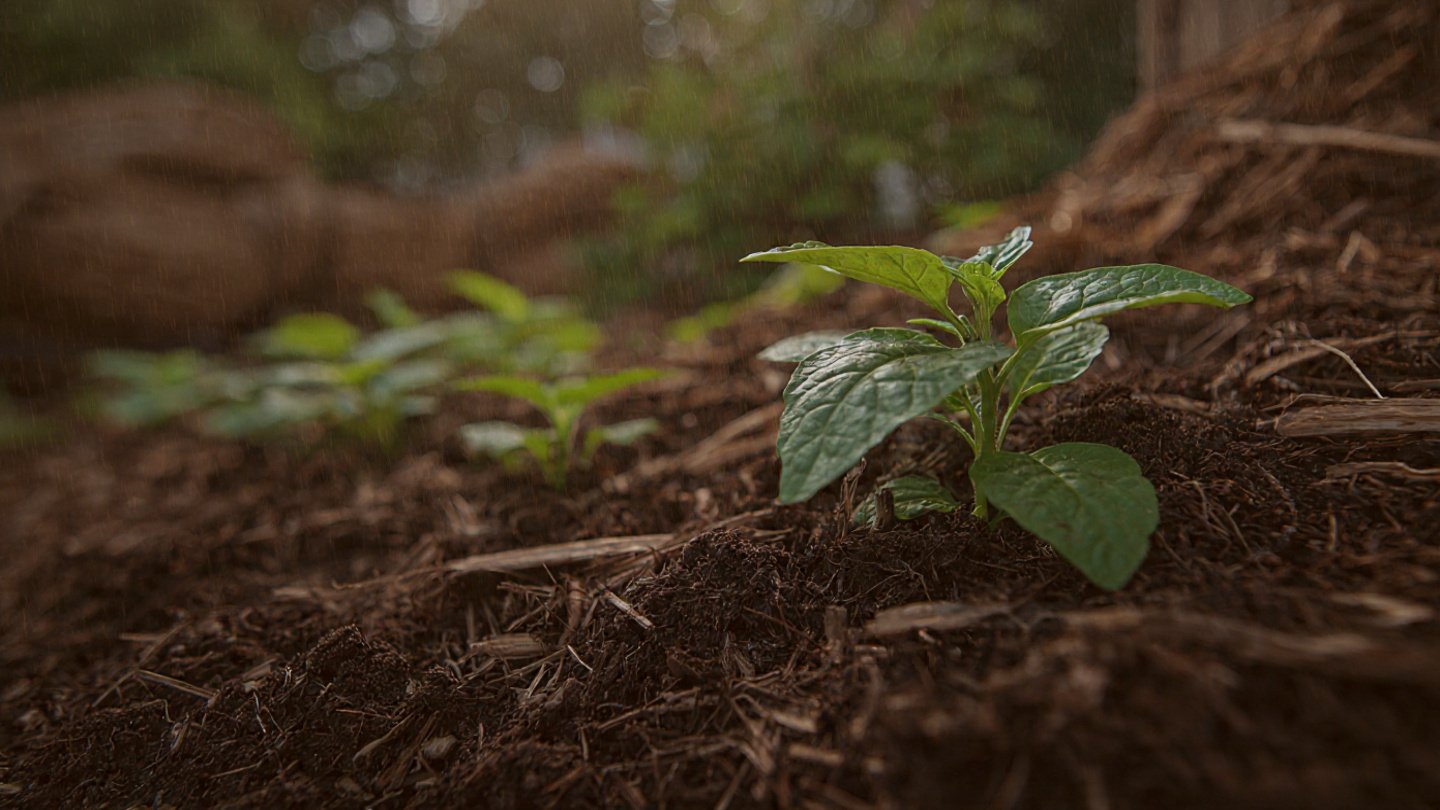
Watering plants is an essential part of gardening and landscaping, crucial for maintaining healthy plant growth. Yet, traditional watering methods often lead to water waste and soil drainage issues. As environmental awareness increases, innovative techniques like “water shift” offer solutions to improve plant health while minimizing excessive drainage. This article explores the concept of watering shift, its benefits, and practical applications for gardeners and plant enthusiasts.
Understanding Watering Shift
Watering shift refers to the strategic alteration of watering schedules and techniques to distribute water more effectively. This method involves evaluating and adapting watering patterns according to various factors such as plant types, environmental conditions, and soil types. By aligning water supply with plant needs, watering shifts aim to enhance water absorption while reducing runoff and soil erosion.
Why Traditional Watering Methods Fail
Traditional watering methods often involve applying large amounts of water all at once, leading to several issues:
- Excessive Drainage: Water applied too quickly can oversaturate the soil, leading to runoff and nutrient leaching.
- Root Rot: Consistent overwatering can create waterlogged soil conditions, leading to root diseases such as root rot.
- Inconsistent Moisture Levels: Traditional methods may not deliver water evenly, causing some plants to receive more than others, resulting in uneven growth.
- Water Waste: Poor watering techniques contribute to water wastage, a significant concern in regions facing water scarcity.
The Science Behind Watering Shift
The effectiveness of watering shift is grounded in several scientific principles:

- Soil Moisture Retention: Amending soil with organic matter, such as compost, increases its ability to retain moisture. This enables plants to absorb water more effectively, reducing drainage.
- Root Characteristics: Different plants have varying root structures. Understanding these differences helps gardeners determine optimal watering strategies tailored to specific plant needs.
- Evapotranspiration: By monitoring factors such as temperature, humidity, and wind speed, gardeners can better gauge plant water needs and adjust watering schedules accordingly.
Implementing Watering Shift Techniques
Adopting watering shift practices can seem daunting, but several straightforward techniques exist to facilitate this method:
Latest Posts
- With Just 1 Bottle of Water How I Was Shocked by What Happened When Growing Vegetables
- Maximize Your Home Garden with the Hanging Pea Sprout Growing Model – Space-Saving, High-Yield, and Easy-to-Manage Vertical Gardening Solution
- Just Water – The Secret to Growing Plump, White Peanut Sprouts Right at Home: A Step-by-Step Guide for Beginners
- Growing Zucchini at Home in a Container: How to Cultivate Large, Long Fruits with a 1-to-72 Day Step-by-Step Diary for Maximum Yield
- Grow Long Beans on the Terrace in Used Recycling Baskets: The Ultimate Guide to Easy, Space-Saving, and High-Yield Terrace Gardening
- How to Grow Tons of Long Beans Easily Without a Garden – A Complete Guide to Growing Healthy Yardlong Beans Without Fertilizers or Pesticides
- Easy Long Bean Growing Trick – No Garden, No Fertilizer, No Pesticide
- Grow Bitter Melon in Bottles — Harvest So Big You Can’t Eat It All! The Ultimate Guide to Bottle Gardening for Maximum Yields
- Growing Garlic Made Easy: No Soil, Fast Results – The Ultimate Guide to Growing Fresh Garlic Indoors Without Traditional Soil
- Wall-Mounted Hydroponic Watermelon System: Grow Large, Juicy, and Delicious Watermelons at Home with Minimal Space and Maximum Yield
1. Time of Day
Watering during cooler parts of the day, such as early morning or late afternoon, can reduce evaporation and improve absorption. Avoiding midday watering enhances efficiency.
2. Frequency and Quantity
Adjusting the frequency and amount of water per session can help plants take in moisture without oversaturating the soil. For instance, rather than watering daily, consider watering deeply every few days to promote deep root growth.
3. Use of Mulch
Applying a layer of organic mulch around plants helps retain soil moisture, regulate temperature, and reduce weed competition, enhancing the effects of watering shift.

4. Soil Testing
Regular soil testing to measure pH, moisture levels, and nutrient content enables gardeners to fine-tune their watering strategies based on precise data.
5. Drip Irrigation
Drip irrigation systems deliver water directly to the root zones of plants, minimizing waste and ensuring that water reaches where it is most needed. This technique aligns well with the watering shift approach.
6. Rainwater Harvesting
Collecting rainwater for irrigation can supplement water supply, especially during drier periods. Using this natural resource not only saves money but also encourages sustainable practices.
Benefits of Watering Shift
Implementing watering shift techniques offers numerous advantages for plant health and environmental sustainability:

- Improved Plant Health: Enhanced water absorption and reduced drainage lead to healthier root systems and overall plant vitality.
- Water Conservation: By minimizing runoff and overwatering, watering shift practices conserve significant amounts of water.
- Reduced Erosion: Stabilizing soil moisture levels prevents erosion and nutrient loss, ensuring that gardens and landscapes remain productive.
- Cost-Effective: Efficient watering reduces water bills and resource wastage, contributing to long-term savings for both homeowners and municipalities.
Case Studies: Successful Implementation of Watering Shift
Several case studies showcase the positive impact of watering shift on plant health:
Urban Green Spaces
In several cities facing water shortages, local governments have implemented watering shift techniques in public parks and gardens. By employing drip irrigation and rainwater harvesting, they have successfully maintained lush green spaces while conserving water.
Community Gardens
Community garden programs that adopt watering shift have seen increased crop yields and healthier plants. Workshops on soil testing and watering techniques have empowered gardeners to apply watering shift principles effectively.
Conclusion
Watering shift presents a sustainable, effective approach to enhance plant health while minimizing soil drainage issues. By understanding plant needs, adapting watering schedules, and implementing intelligent watering techniques, gardeners can cultivate thriving gardens and landscapes. As environmental challenges continue to rise, innovative practices like watering shift not only benefit individual gardens but also contribute to broader water conservation efforts.
FAQs
1. How often should I water my plants using the watering shift method?
The frequency depends on the specific plants and the environmental conditions. Generally, watering deeply once every few days is more effective than daily shallow watering.
2. What type of mulch is best for retaining moisture?
Organic mulch, such as wood chips, straw, or compost, helps to retain soil moisture and improve soil health over time.
3. Can I use rainwater for watering shift?
Absolutely! Rainwater harvesting is an excellent way to supplement your watering needs sustainably.
4. How do I know if my soil is retaining enough moisture?
Perform a simple test by sticking your finger into the soil about an inch deep. If it feels dry at that depth, it’s time to water. Additionally, consider using a soil moisture meter for accurate measurement.

5. Is drip irrigation worth the investment?
Yes, while the initial investment may be higher, drip irrigation systems are highly efficient and can reduce water usage by delivering water directly to the root zone.