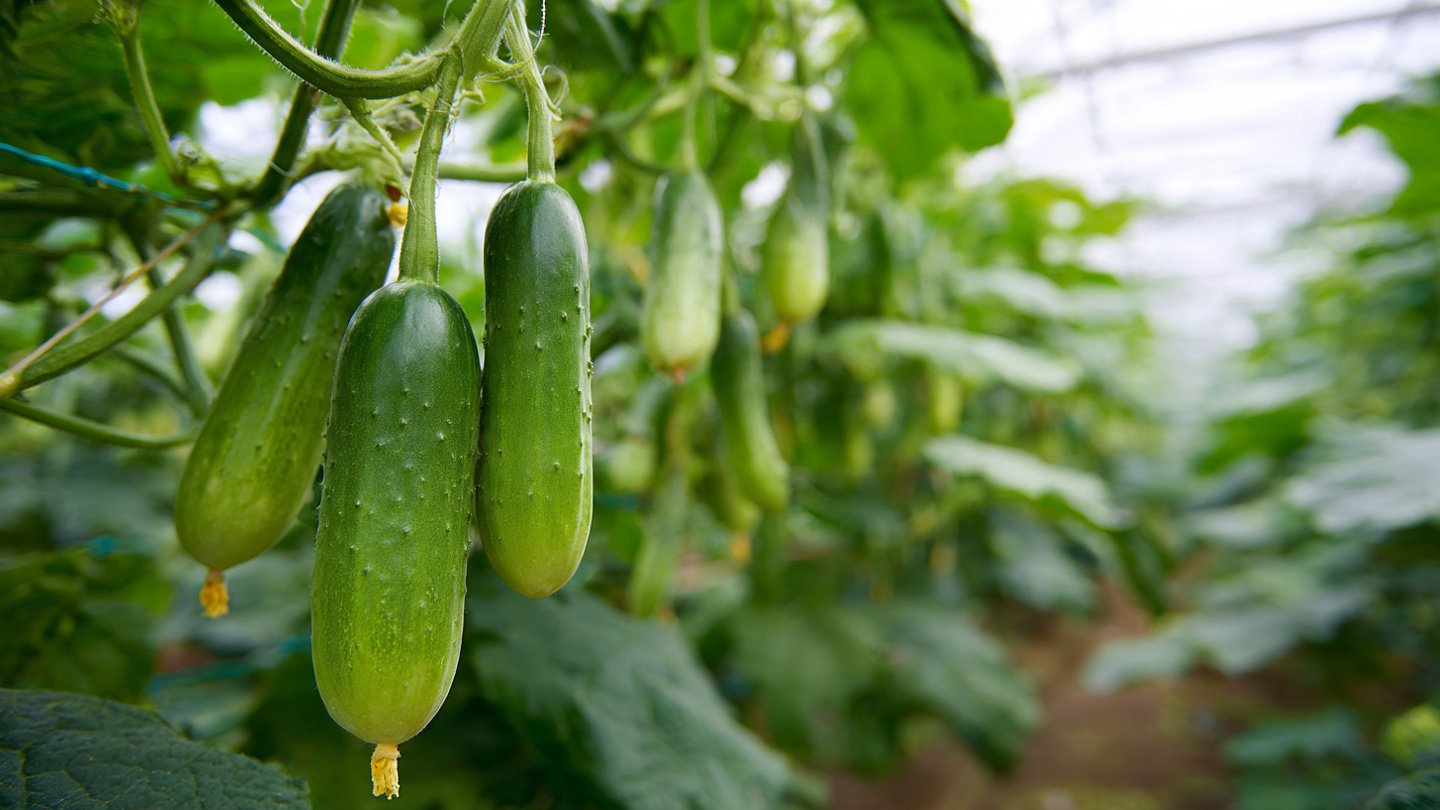
Bolting is a physiological phenomenon in plants, particularly in leafy vegetables, where the plant prematurely flowers and develops seed stalks. This process not only alters the plant’s growth pattern but can also have significant implications for yield and quality. In this article, we’ll explore the concept of early bolting in vegetables, its causes, its effects on yield, and strategies for management.
What is Bolting?
Bolting refers to the rapid elongation of the flowering stalk (or inflorescence) in plants, often triggered by environmental cues, such as temperature and day length. While bolting is a natural part of a plant’s life cycle, early bolting can be detrimental, especially in commercial vegetable production, as it typically occurs before the plant reaches a desirable size or quality.
Types of Vegetables Affected by Early Bolting
Early bolting is particularly common among certain vegetables, including:
- Leafy Greens: Varieties such as lettuce, spinach, and kale are notorious for bolting if exposed to stressors.
- Brassicas: Cabbage, broccoli, and cauliflower can also bolt if conditions are not optimal.
- Roots and Tubers: Carrots, beets, and radishes, although primarily grown for their edible portions, can bolt under stress.
Causes of Early Bolting
Understanding the causes of early bolting can help to formulate effective prevention strategies. The primary factors contributing to early bolting include:
1. Temperature
Temperature is one of the most critical environmental factors influencing the bolting process. Many species require a specific range of temperatures to remain vegetative. Generally, cool-season crops thrive in cooler temperatures; exposure to warm temperatures can prompt premature flowering. For instance, lettuce typically bolts when exposed to temperatures exceeding 75°F.
Latest Posts
- With Just 1 Bottle of Water How I Was Shocked by What Happened When Growing Vegetables
- Maximize Your Home Garden with the Hanging Pea Sprout Growing Model – Space-Saving, High-Yield, and Easy-to-Manage Vertical Gardening Solution
- Just Water – The Secret to Growing Plump, White Peanut Sprouts Right at Home: A Step-by-Step Guide for Beginners
- Growing Zucchini at Home in a Container: How to Cultivate Large, Long Fruits with a 1-to-72 Day Step-by-Step Diary for Maximum Yield
- Grow Long Beans on the Terrace in Used Recycling Baskets: The Ultimate Guide to Easy, Space-Saving, and High-Yield Terrace Gardening
- How to Grow Tons of Long Beans Easily Without a Garden – A Complete Guide to Growing Healthy Yardlong Beans Without Fertilizers or Pesticides
- Easy Long Bean Growing Trick – No Garden, No Fertilizer, No Pesticide
- Grow Bitter Melon in Bottles — Harvest So Big You Can’t Eat It All! The Ultimate Guide to Bottle Gardening for Maximum Yields
- Growing Garlic Made Easy: No Soil, Fast Results – The Ultimate Guide to Growing Fresh Garlic Indoors Without Traditional Soil
- Wall-Mounted Hydroponic Watermelon System: Grow Large, Juicy, and Delicious Watermelons at Home with Minimal Space and Maximum Yield
2. Photoperiod
The amount of daylight a plant receives also plays a vital role in bolting. Short-day plants require longer nights to flower, while long-day plants require extended daylight. Many leafy greens are sensitive to day length, and unintentional exposure to prolonged light can trigger the flowering process.
3. Water Stress
Insufficient or excessive moisture can lead to stress conditions, prompting bolting. When vegetables experience drought, their physiological response may be to flower earlier in an attempt to reproduce before an imminent decline in vitality.
4. Nutritional Imbalance
Nutrient deficiencies, especially in nitrogen, can lead to poor vegetative growth and premature flowering. Conversely, an excess of nitrogen relative to other nutrients can lead to lush vegetative growth followed by early bolting.
5. Plant Variety
Different cultivars within a species may exhibit varying tendencies to bolt. Some varieties are bred specifically for bolt resistance and demonstrate better performance under adverse conditions.
Impact of Early Bolting on Yield
Early bolting can have several negative impacts on crop yield and quality. These include:
1. Reduced Market Quality
Vegetables that have bolted often exhibit a tough texture and bitter flavor, making them unappealing to consumers. For example, bolted lettuce tends to be less crisp, and feeling some bitterness can render the crop unsellable. In commercial farming, market quality is directly tied to profitability.
2. Stunted Growth
When a plant bolts, energy shifts from leaf and root development to flower and seed production. This diversion can result in smaller vegetables that fail to meet size specifications, ultimately affecting r marketability.
3. Yield Loss
In crops where rapid growth is critical, early bolting can lead to significant yield losses. For instance, in a scenario where a crop would normally yield five tons per acre, the presence of even minor early bolting can reduce that yield to three or four tons per acre, resulting in a substantial financial hit.
4. Impact on Subsequent Planting Cycles
Early bolting can result in a shortened harvest window, impacting the subsequent planting and growing cycles. As farmers lose out on an early spring crop due to bolting, they may be forced to delay plantings for the next crop, potentially reducing the number of harvests within a growing season.
Strategies for Managing Early Bolting
While early bolting cannot be completely eliminated, several strategies can mitigate its onset and reduce negative impacts on yield:
1. Selecting Bolt-Resistant Varieties
Choosing the right varieties can help significantly. Seed companies often provide information on bolt resistance; selecting these varieties for planting can enhance the chances of successful harvests. Researching local agronomy guides can also yield insights into the best varieties for specific regions.
2. Controlled Planting Times
Timing the planting of sensitive crops to coincide with optimal climatic conditions can help mitigate bolting. In regions with hot summers, planting can be timed earlier in the spring or later in late summer to avoid peak temperatures.
3. Managing Soil Fertility
Conducting soil tests and managing nutrient applications can help ensure that crops receive adequate nutrition. Balanced fertilization, particularly with nitrogen, can help maintain vegetative vigor and postpone the onset of flowering.
4. Irrigation Practices
Maintaining consistent moisture levels through proper watering can alleviate water stress, one of the key triggers for bolting. Utilizing mulching can help retain soil moisture and regulate soil temperature, hence delaying flowering.
5. Shade and Row Covers
In hot climates, using shade cloth or row covers can reduce heat stress during critical growth phases. These physical barriers can protect plants from excessive sunlight, reducing the triggers for premature flowering.
6. Monitoring and Timing for Pest Control
Pests can also stress plants, contributing to early bolting. Regular monitoring for pest pressures and timely interventions can help alleviate additional stressors affecting crop growth.
Conclusion
Understanding early bolting in vegetables is essential for maximizing crop yield and quality. The interplay of environmental conditions, genetic factors, and agricultural practices determines whether a crop bolts prematurely. By recognizing the causes and implementing targeted management strategies, growers can reduce the incidence of early bolting, ultimately ensuring a more bountiful and marketable harvest.
By investing in research, education, and strategic planning, farmers can combat the challenges posed by early bolting, enhancing both their resilience and their economic viability in a competitive agricultural landscape.