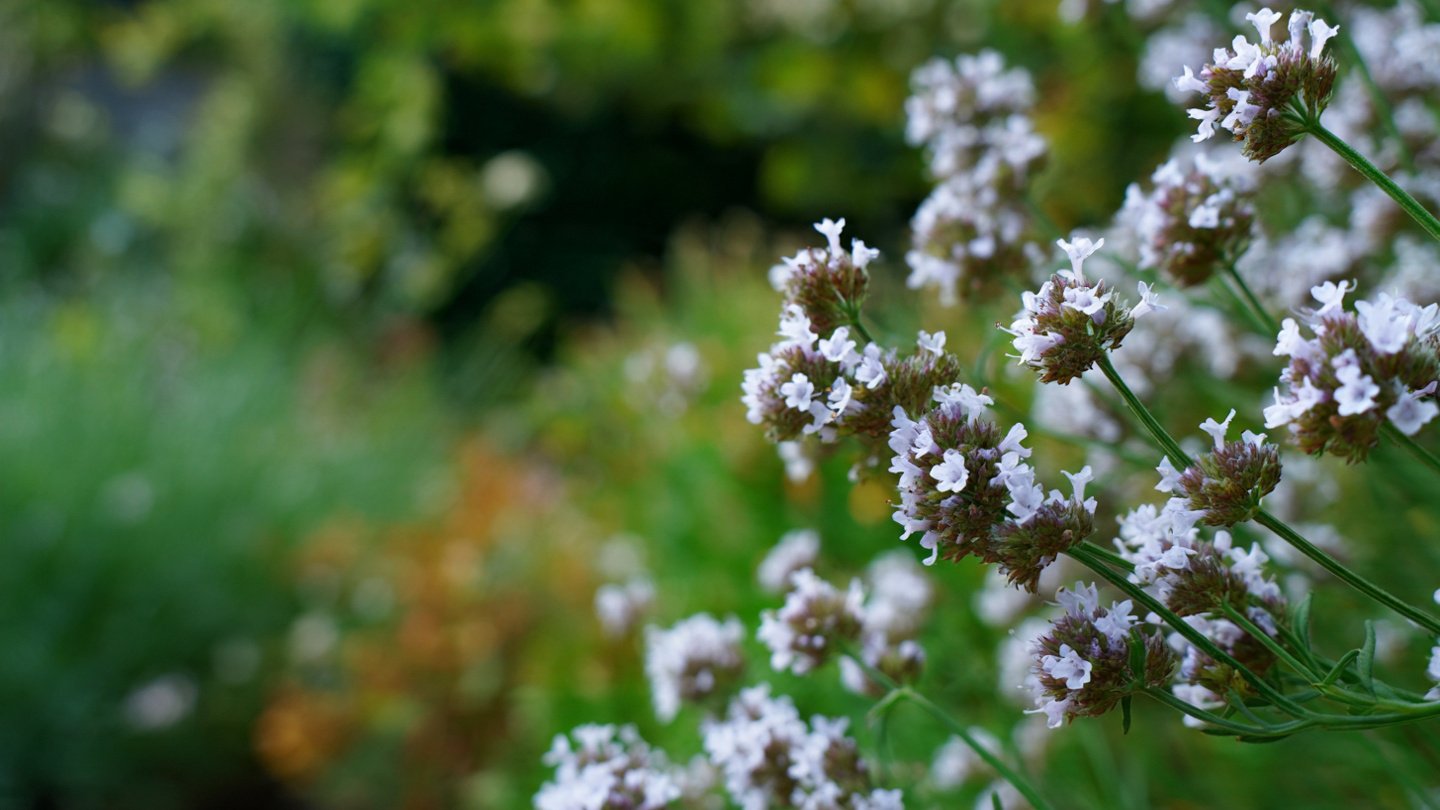
Herbs are a vital part of our culinary and medicinal practices, offering flavors, fragrances, and therapeutic properties. However, many herb gardeners face the frustrating phenomenon of early flowering, which can lead to reduced yields and compromised flavor. This article delves into the causes of early flowering in herbs and discusses effective solutions to manage this occurrence.
What is Early Flowering?
Early flowering, also known as bolting, is the premature production of flowers and seeds by herb plants. This can often happen when the plants are still young, resulting in the cessation of leaf growth. For herb gardeners, early flowering is undesirable as it can lead to a decline in the quality and quantity of yields.
Latest Posts
- With Just 1 Bottle of Water How I Was Shocked by What Happened When Growing Vegetables
- Maximize Your Home Garden with the Hanging Pea Sprout Growing Model – Space-Saving, High-Yield, and Easy-to-Manage Vertical Gardening Solution
- Just Water – The Secret to Growing Plump, White Peanut Sprouts Right at Home: A Step-by-Step Guide for Beginners
- Growing Zucchini at Home in a Container: How to Cultivate Large, Long Fruits with a 1-to-72 Day Step-by-Step Diary for Maximum Yield
- Grow Long Beans on the Terrace in Used Recycling Baskets: The Ultimate Guide to Easy, Space-Saving, and High-Yield Terrace Gardening
- How to Grow Tons of Long Beans Easily Without a Garden – A Complete Guide to Growing Healthy Yardlong Beans Without Fertilizers or Pesticides
- Easy Long Bean Growing Trick – No Garden, No Fertilizer, No Pesticide
- Grow Bitter Melon in Bottles — Harvest So Big You Can’t Eat It All! The Ultimate Guide to Bottle Gardening for Maximum Yields
- Growing Garlic Made Easy: No Soil, Fast Results – The Ultimate Guide to Growing Fresh Garlic Indoors Without Traditional Soil
- Wall-Mounted Hydroponic Watermelon System: Grow Large, Juicy, and Delicious Watermelons at Home with Minimal Space and Maximum Yield
Common Causes of Early Flowering
1. Environmental Stress
Plants are highly responsive to their environment, and any stress can trigger early flowering. Factors such as:
- Temperature: Extreme heat or cold can create conditions that lead to stress, prompting the plant to flower early as a survival mechanism.
- Watering Issues: Both insufficient and excessive watering can stress the plants, causing them to bolt prematurely.
- Soil Quality: Poor nutrient availability or compacted soil can hinder growth, leading to stress-induced flowering.
2. Light Conditions
The amount and intensity of light significantly influence flowering. Herbs typically require specific light conditions:
- Herbs that receive too much direct sunlight, especially during extreme heat, may bolt early.
- Inadequate light can also cause plants to flower prematurely as they stretch toward available light sources.
3. Plant Genetics
Genetics play a crucial role in flowering behavior. Some herb varieties are naturally more prone to early flowering. For example:
- Fast-growing varieties may reach maturity quicker and thus begin flowering sooner.
- Selecting the right strains with a known history of resistance to early bolting can help mitigate this issue.
4. Nutrient Deficiencies
Nutrient imbalances are a significant factor that can lead to early flowering. Key nutrients include nitrogen, phosphorus, and potassium. When plants lack these essential nutrients, they may respond with premature flowering in an effort to reproduce before they die.
5. Seasonal Changes
Herbs are often sensitive to seasonal changes. As the days become longer in spring or early summer, certain herbs may respond by initiating bloom cycles, which can lead to early flowering if they are not given proper care.
Solutions to Prevent Early Flowering
1. Manage Environmental Stress
To prevent environmental stress, gardeners should:
- Monitor Temperature: Use shade cloths or row covers to protect plants from extreme temperatures.
- Optimize Watering: Water the herbs consistently, keeping the soil moist but not soggy. A drip irrigation system can aid in providing steady moisture.
- Improve Soil Quality: Test soil and amend it with organic matter or fertilizers to ensure optimal nutrient levels and drainage.
2. Adjust Light Exposure
Regulate light exposure by:
- Using Shade Structures: Implement shade cloth during peak sun hours to prevent overheating.
- Pruning Nearby Plants: If possible, trim back other plants to allow more natural light for the herbs without overwhelming them.
3. Choose Suitable Varieties
Selecting herb varieties known for their resilience to bolting can make a significant difference. Research and opt for varieties that are less prone to early flowering, including:
- Basil (genovese)
- Cilantro
- Parsley
4. Implement Fertilization Practices
Ensure that your herb plants receive balanced nutrition by:
- Conducting Soil Tests: Regularly test your soil to assess nutrient levels and amend accordingly.
- Using Fertilizers: Apply a nitrogen-rich fertilizer during the early growth stage to encourage leafy growth and delay flowering.
5. Monitor Seasonal Changes
To manage seasonal changes effectively:
- Plant at the Right Time: Timing your planting according to local climate conditions can provide a longer growing season and reduce the likelihood of early flowering.
- Harvest Regularly: Regularly harvesting leaves can encourage more bushy growth instead of allowing the plant to direct energy into flowering.
Conclusion
Understanding the causes of early flowering in herbs is essential for successful cultivation. By implementing appropriate strategies and practices, gardeners can mitigate the risk of premature bolting and ensure lush, flavorful harvests. By addressing environmental stresses, adjusting light conditions, selecting suitable varieties, managing nutrient availability, and being mindful of seasonal changes, herb enthusiasts can foster healthier plants that yield abundant foliage for culinary and medicinal uses.
FAQs
Q1: Can I still use herbs that have bolted?
A1: While bolted herbs can be used, their flavor may be compromised. It’s best to harvest leaves before they flower to enjoy optimal taste.
Q2: How can I tell if my herbs are about to bolt?
A2: Look for signs such as rapid vertical growth or flower spikes; these are indications that bolting is imminent.
Q3: How do I prevent bolting in cool-season herbs?
A3: Ensure they have adequate moisture, partial shade, and regular harvesting of leaves to prevent them from focusing on flowering.
Q4: Do all herbs bolt?
A4: Not all herbs bolt, but many do under certain conditions. It’s essential to monitor them and practice good care to prevent it.
Q5: Is early flowering in herbs reversible?
A5: Unfortunately, once the plant has begun to bolt, it cannot revert to a vegetative state; prevention is key.