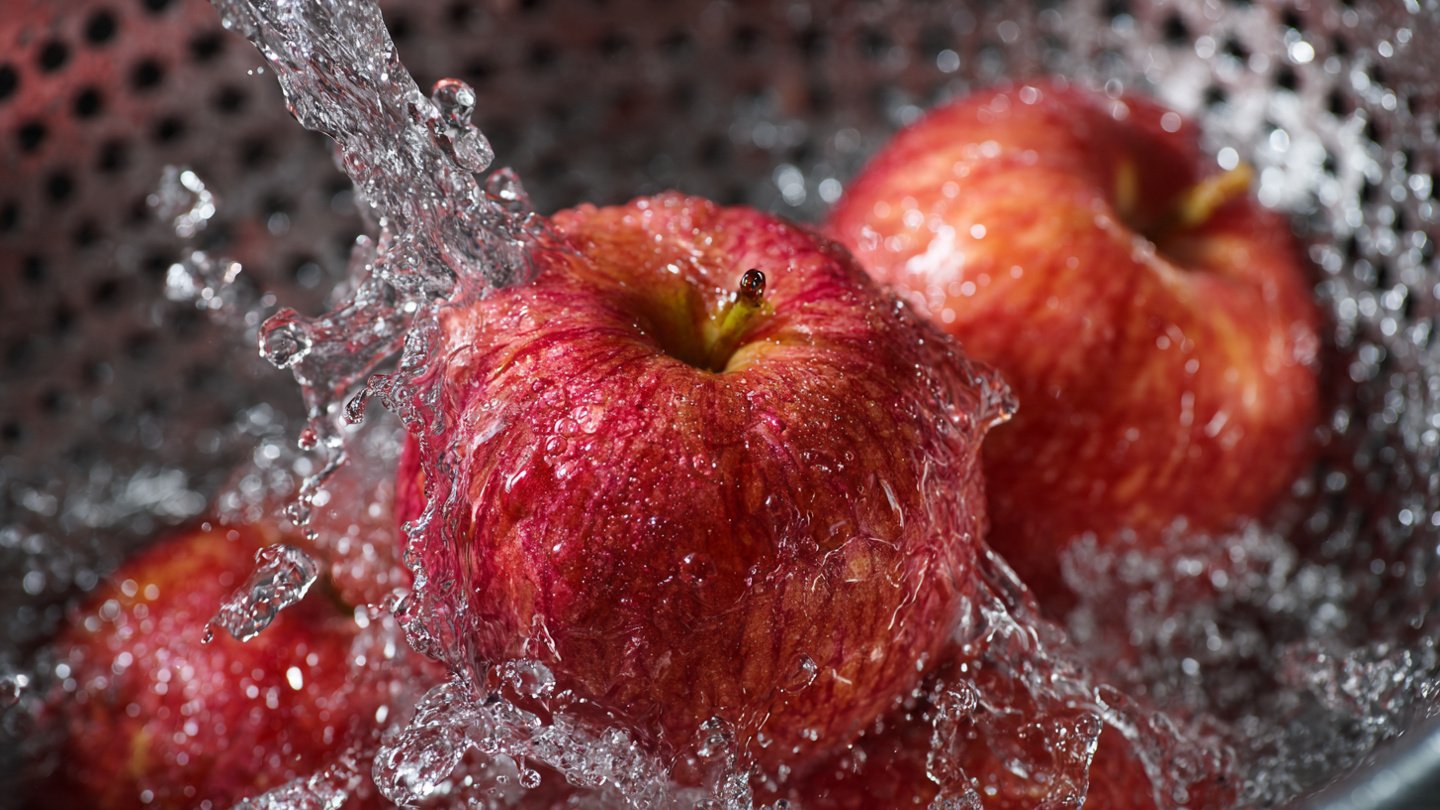
When it comes to maintaining a healthy lifestyle, the importance of consuming fruits cannot be overstated. These natural powerhouses are rich in vitamins, antioxidants, and fiber, making them a staple in balanced diets. However, the benefits of fruits can be overshadowed when we do not wash them properly. Improper washing can lead to the spread of dangerous germs and foodborne illnesses. In this article, we will explore common mistakes people make when washing fruits and outline effective methods for ensuring they are clean and safe for consumption.
1. The Importance of Washing Fruits
Before delving into common mistakes, it’s crucial to understand why washing fruits is essential. Fruits and vegetables can harbor a variety of contaminants, including dirt, pesticides, and pathogens. In some cases, the fruits may have been handled by multiple people in a supply chain, increasing the chance of bacterial contamination from human touch.
Latest Posts
- With Just 1 Bottle of Water How I Was Shocked by What Happened When Growing Vegetables
- Maximize Your Home Garden with the Hanging Pea Sprout Growing Model – Space-Saving, High-Yield, and Easy-to-Manage Vertical Gardening Solution
- Just Water – The Secret to Growing Plump, White Peanut Sprouts Right at Home: A Step-by-Step Guide for Beginners
- Growing Zucchini at Home in a Container: How to Cultivate Large, Long Fruits with a 1-to-72 Day Step-by-Step Diary for Maximum Yield
- Grow Long Beans on the Terrace in Used Recycling Baskets: The Ultimate Guide to Easy, Space-Saving, and High-Yield Terrace Gardening
- How to Grow Tons of Long Beans Easily Without a Garden – A Complete Guide to Growing Healthy Yardlong Beans Without Fertilizers or Pesticides
- Easy Long Bean Growing Trick – No Garden, No Fertilizer, No Pesticide
- Grow Bitter Melon in Bottles — Harvest So Big You Can’t Eat It All! The Ultimate Guide to Bottle Gardening for Maximum Yields
- Growing Garlic Made Easy: No Soil, Fast Results – The Ultimate Guide to Growing Fresh Garlic Indoors Without Traditional Soil
- Wall-Mounted Hydroponic Watermelon System: Grow Large, Juicy, and Delicious Watermelons at Home with Minimal Space and Maximum Yield
According to the Centers for Disease Control and Prevention (CDC), washing fruits and vegetables can significantly reduce the risk of foodborne illnesses. The 2019 report indicated that approximately 48 million people in the United States alone get sick from foodborne illnesses each year, with many of these cases stemming from contaminated produce. Therefore, washing fruits thoroughly is not just a matter of personal preference but a public health necessity.
2. Common Mistakes in Washing Fruits
2.1. Not Washing Fruits at All
One of the most prevalent mistakes is simply not washing fruits before consumption. Many people assume that peeling or cooking fruits will eliminate any potential contaminants. However, this is a misconception. Germs can easily transfer from the skin to the flesh of the fruit when cut or bitten into. For example, if you slice an unwashed apple and then eat it, you may inadvertently introduce bacteria into your mouth.
2.2. Using Soap or Detergents
While it might seem logical to use soap or detergent to wash fruits, this practice can be harmful. Most soaps are not meant for consumption, and residues can remain on the fruit even after rinsing. Ingesting soap can lead to gastrointestinal issues and other health problems. The best practice is to rinse fruits under running water without the use of any detergents.
2.3. Washing Fruits Only When Eating
Another widespread mistake is waiting until you are about to eat the fruit to wash it. While this may seem reasonable, contaminants can transfer during storage, especially if the fruit comes into contact with other items in your refrigerator or on your countertop. It’s best to wash fruits immediately after purchasing them to remove any residual pesticides, dirt, and germs.

2.4. Relying Solely on Water
Some people believe that rinsing fruits with water is enough to remove all contaminants. While water is effective at removing dirt and certain pesticides, it may not eliminate all pathogens. Studies have shown that rinsing fruits in water alone might not adequately reduce the presence of bacteria. Using a produce brush for firmer fruits or employing natural solutions can significantly enhance the cleaning process.
2.5. Not Drying Fruits Properly
After washing fruits, many people neglect to dry them. Moisture can promote bacteria growth, especially if the fruit is stored in a damp environment. Use a clean paper towel or cloth to dry fruits thoroughly before storing them. For delicate fruits like berries, avoid rubbing them too hard to prevent bruising.
3. Effective Washing Techniques
To minimize the risk of foodborne illnesses, adopting effective washing techniques is crucial. Below are some recommended practices:

3.1. Use Cold Running Water
The best way to wash fruits is under cold running water. This method not only helps remove dirt but also dissolves some pesticides. It’s essential to make sure that the water is flowing rather than stagnant, which helps to wash away contaminants more effectively.
3.2. Use a Produce Brush
For firmer fruits and vegetables like apples, cucumbers, and potatoes, using a produce brush can enhance the cleaning process. Gently scrub the surface to dislodge any stuck dirt or harmful bacteria. Ensure that the brush is clean and dedicated solely for washing produce to avoid cross-contamination.
3.3. Soak and Agitate for Leafy Greens
Leafy greens can be particularly dirty, containing soil and pests in their crevices. For these, fill a bowl with cold water, submerge the greens, and gently agitate them to dislodge dirt. Rinse thoroughly under running water afterward to remove any residual contaminants.
3.4. Consider Natural Solutions
For additional cleaning power, consider using natural solutions, such as vinegar or baking soda. A mixture of one part vinegar to three parts water can be effective. Soak the fruits for a few minutes, then rinse under running water. Baking soda can also be useful; a simple paste made with baking soda and water can be applied and rinsed off.
3.5. Keep Your Washing Area Clean
Sanitizing your kitchen sink and counter space where you wash fruits is essential. Bacteria can linger on surfaces after washing raw meats or other contaminated foods. Regularly disinfecting these areas can minimize cross-contamination and help keep your fruits safe.
4. Special Considerations for Organic Fruits
While organic fruits are often perceived as cleaner and safer, they still require washing. The lack of synthetic pesticides does not eliminate potential contamination from soil, bacteria, or human handling. If you choose organic fruits, implement the same washing practices to ensure they are free from contaminants.
5. The Role of Cross-Contamination
Cross-contamination is a prevalent issue in food safety. When washing fruits, it’s vital to avoid contact with other foods that may be raw or contaminated. Use separate cutting boards and utensils for fruits and vegetables versus meats to prevent the transfer of harmful pathogens.
6. Conclusion
Washing fruits may seem like a simple task, but it’s fraught with common mistakes that can lead to dangerous germs spreading. By understanding the importance of proper washing techniques and avoiding common pitfalls, we can significantly reduce the risk of foodborne illnesses. Remember to always wash fruits under cold running water, use appropriate cleaning tools, and ensure your kitchen environment is safe and sanitary. In doing so, you can enjoy the numerous health benefits of fruits without the worry of harmful contaminants. Stay safe, stay healthy, and savor the goodness of nature’s bounty.