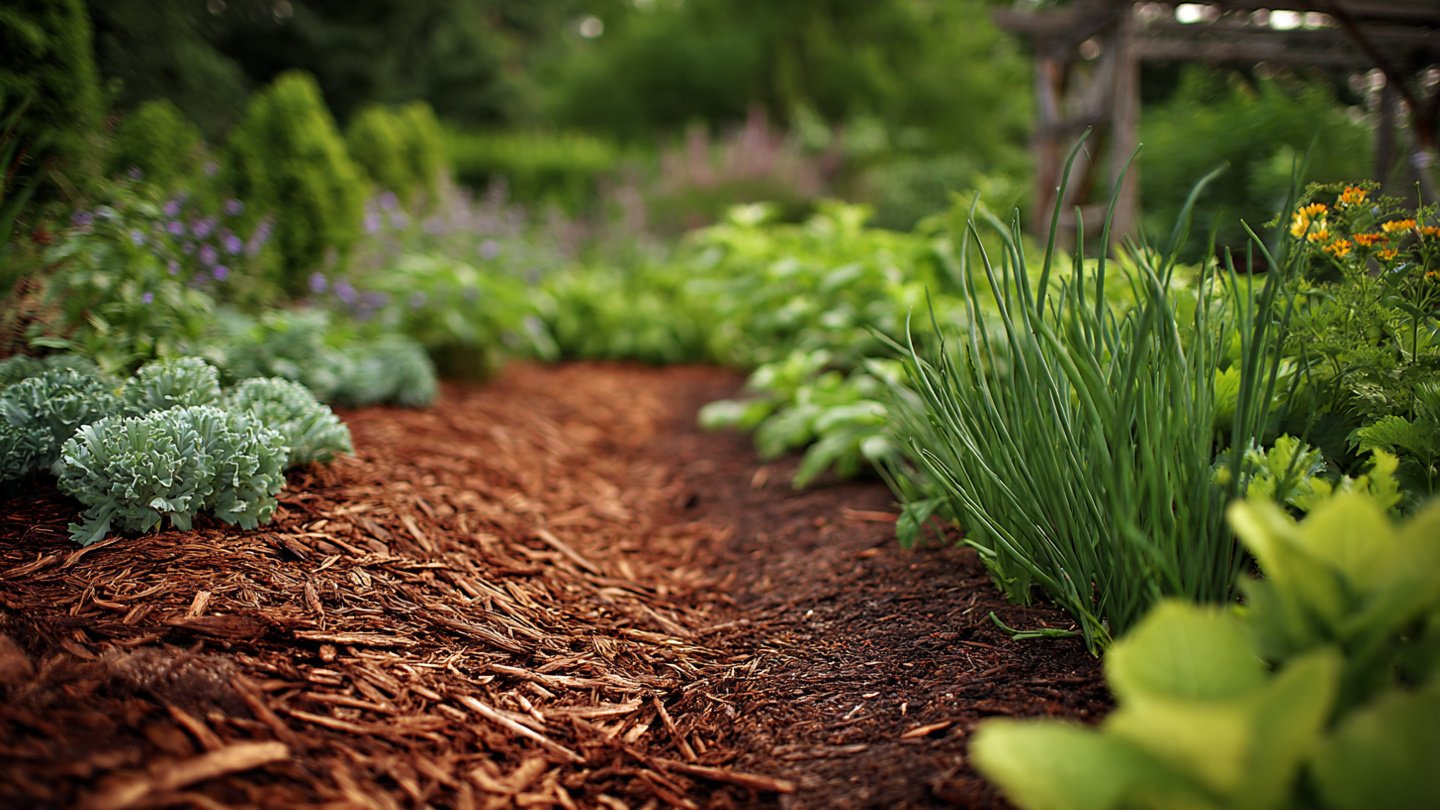
As global temperatures rise and heat waves become more common, gardeners face new challenges in maintaining the health and vitality of their plants. One effective solution to combat the adverse effects of extreme heat is mulching. This practice not only helps to conserve moisture but also improves soil health and supports robust plant growth. In this article, we will delve into the multifaceted benefits of mulching during heat waves and provide practical tips for effective application.
Latest Posts
- With Just 1 Bottle of Water How I Was Shocked by What Happened When Growing Vegetables
- Maximize Your Home Garden with the Hanging Pea Sprout Growing Model – Space-Saving, High-Yield, and Easy-to-Manage Vertical Gardening Solution
- Just Water – The Secret to Growing Plump, White Peanut Sprouts Right at Home: A Step-by-Step Guide for Beginners
- Growing Zucchini at Home in a Container: How to Cultivate Large, Long Fruits with a 1-to-72 Day Step-by-Step Diary for Maximum Yield
- Grow Long Beans on the Terrace in Used Recycling Baskets: The Ultimate Guide to Easy, Space-Saving, and High-Yield Terrace Gardening
- How to Grow Tons of Long Beans Easily Without a Garden – A Complete Guide to Growing Healthy Yardlong Beans Without Fertilizers or Pesticides
- Easy Long Bean Growing Trick – No Garden, No Fertilizer, No Pesticide
- Grow Bitter Melon in Bottles — Harvest So Big You Can’t Eat It All! The Ultimate Guide to Bottle Gardening for Maximum Yields
- Growing Garlic Made Easy: No Soil, Fast Results – The Ultimate Guide to Growing Fresh Garlic Indoors Without Traditional Soil
- Wall-Mounted Hydroponic Watermelon System: Grow Large, Juicy, and Delicious Watermelons at Home with Minimal Space and Maximum Yield
What is Mulching?
Mulching is the process of applying a layer of material on the soil surface around plants. This material can be organic, such as wood chips, straw, or grass clippings, or inorganic, like plastic or gravel. The choice of mulch depends on various factors, including plant type, garden aesthetics, and regional climate.
Benefits of Mulching During Heat Waves
Mulching offers numerous advantages, especially when the temperatures rise. Here are some of the key benefits:

- Moisture Retention: Mulch acts as a barrier, reducing evaporation from the soil surface. This is particularly crucial during heat waves when the risk of drought is high. By retaining moisture, plants can better withstand prolonged periods of heat.
- Temperature Regulation: A layer of mulch helps to regulate soil temperature. During intense heat, mulch can keep the soil cooler, protecting the roots from extreme temperatures. Conversely, it can also insulate against colder temperatures at the other end of the spectrum.
- Weed Suppression: Mulching inhibits weed growth by blocking sunlight and minimizing the competition for nutrients and water. In a garden where plants are already stressed by heat, reducing weed competition can dramatically improve their resilience.
- Soil Improvement: Organic mulches decompose over time, enriching the soil with nutrients and improving its structure. This enrichment can lead to healthier root systems and stronger plants.
- Prevention of Soil Erosion: Heavy rains often accompany heat waves, leading to the risk of soil erosion. Mulch helps to hold the soil in place, preventing nutrient loss and maintaining garden integrity.
Choosing the Right Mulch
When selecting mulch, it’s important to consider both the type and the application method. Here are some popular materials for mulching:

- Organic Mulches: Composed of natural materials, these include wood chips, bark, straw, grass clippings, and compost. They need to be replenished periodically but offer the benefit of enriching the soil as they decompose.
- Inorganic Mulches: Materials like gravel, stones, or landscape fabric do not decompose and can be used in areas where you desire long-lasting coverage. However, they don’t improve soil health like organic options.
Once you’ve chosen the appropriate mulching material, apply it correctly for maximum benefits:
- Spread a layer of 2-4 inches, but keep it away from the plant stems to avoid rot.
- Replenish organic mulch regularly to maintain its effectiveness.
- Avoid using chemical-laden mulch that could harm your plants.
Mulching Techniques for Effective Heat Management

Employing the right techniques can further enhance the benefits of mulching:
- Layering: For maximum moisture retention, consider layering different types of mulch. For instance, place coarser material like wood chips on the bottom and finer material like straw on top.
- Timing: Apply mulch before extreme heat sets in, ideally during the cooler months. This proactive approach helps to build a protective barrier for your plants.
- Moisture Check: Regularly check the moisture content of the soil beneath the mulch. If it feels dry, it’s time to water to ensure your plants are getting adequate hydration.
Conclusion
In an age where heat waves are becoming increasingly frequent, the importance of mulching cannot be overstated. By protecting plants from extreme temperatures, conserving moisture, and enriching the soil, mulching emerges as a vital practice for gardeners aiming to maintain healthy, flourishing landscapes. As you prepare your garden for the coming heat, remember that investing in quality mulch can pay significant dividends in terms of plant health and yield. Make mulching a central element of your gardening strategy to ensure resilience in the face of rising temperatures.

FAQs
1. How often should I apply mulch in hot weather?
It’s advisable to apply mulch once a year, ideally before the heat begins, but you should check regularly and replenish organic mulch as it decomposes.
2. Can I use grass clippings as mulch?
Yes, grass clippings make excellent mulch; however, they should be dried out before application to prevent matting and odor.
3. Is there a best time of year to mulch?
The best time to mulch is in early spring or fall, during cooler months, to prepare your garden for the heat or cold ahead.
4. Will mulching attract pests?

Organic mulches can attract pests if they are not maintained properly. Keeping mulch dry and free from decaying material can minimize this risk.
5. Can mulches be applied around all types of plants?
Generally, yes, but be cautious around the stems and bases of plants to prevent rot. Some delicate plants may not require mulch.