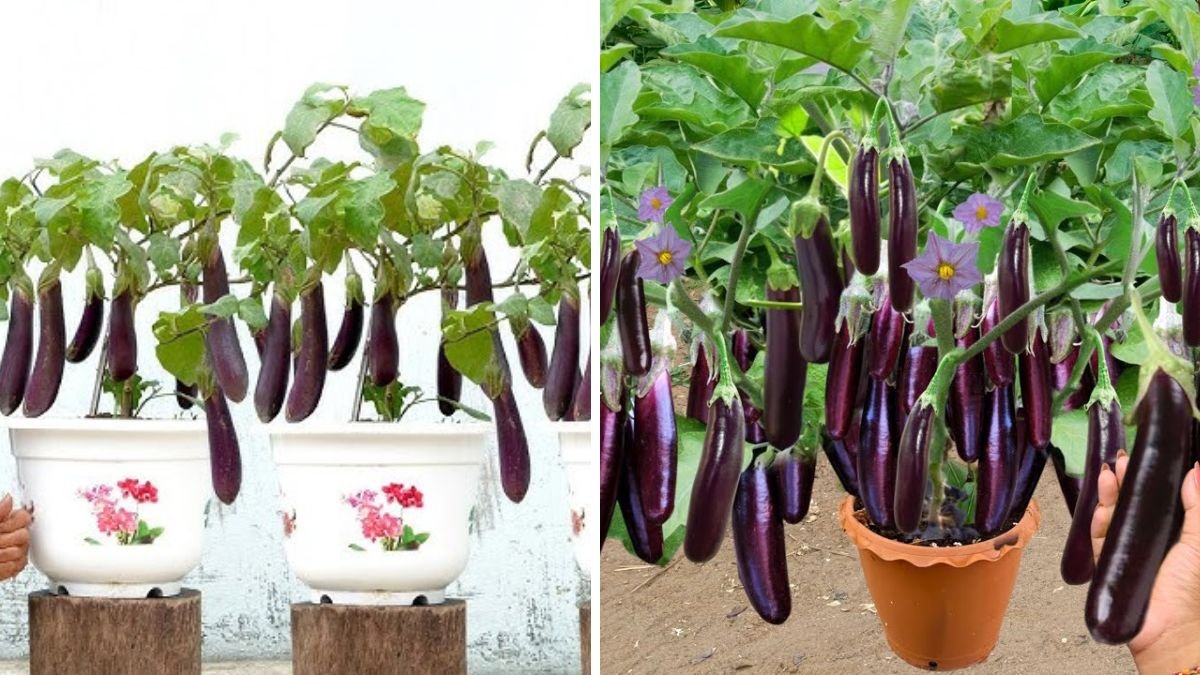
Eggplants, also known as brinjal or aubergine, are a favorite in kitchens and gardens worldwide. Their versatility in cooking, coupled with their rich flavor and nutritional benefits, makes them a popular choice among gardeners. However, growing eggplants can be challenging due to low yields, disease susceptibility, and limited plant vigor. Traditional cultivation methods rely on seedlings, which are often vulnerable to soil-borne pathogens like Verticillium and Fusarium wilt. But modern horticulture has introduced a game-changing solution: eggplant grafting.
Grafting is a unique propagation technique that has revolutionized eggplant production, allowing gardeners and farmers to achieve higher yields, stronger plants, and improved resistance to diseases. Recent research and practical trials have confirmed that grafted eggplants can outperform conventional seedlings in multiple ways, making this a must-try technique for anyone serious about vegetable gardening.
What Is Eggplant Grafting and Why It Matters
Grafting is the process of joining a scion (the upper part of a plant that produces fruit) to a rootstock (the lower part with strong roots) so that they grow as a single, unified plant. While grafting is traditionally associated with fruit trees, its application in vegetable crops like eggplants has been gaining traction due to the numerous benefits it provides.

The key purpose of grafting eggplants is to combine a high-yielding, quality fruit-bearing scion with a rootstock that exhibits strong disease resistance, environmental tolerance, and vigorous root growth. This method not only improves overall plant health but also significantly increases production and reduces losses caused by soil-borne diseases.
Scientific Evidence Supporting Eggplant Grafting
Recent studies have demonstrated the benefits of grafting in eggplant cultivation. A research study published in Agronomy showed that grafted eggplants yielded up to 36.89% more fruit compared to self-rooted plants. The study also highlighted improvements in stem thickness, chlorophyll content, and root system development in grafted plants, all contributing to healthier and more productive crops. (mdpi.com)
Latest Posts
- With Just 1 Bottle of Water How I Was Shocked by What Happened When Growing Vegetables
- Maximize Your Home Garden with the Hanging Pea Sprout Growing Model – Space-Saving, High-Yield, and Easy-to-Manage Vertical Gardening Solution
- Just Water – The Secret to Growing Plump, White Peanut Sprouts Right at Home: A Step-by-Step Guide for Beginners
- Growing Zucchini at Home in a Container: How to Cultivate Large, Long Fruits with a 1-to-72 Day Step-by-Step Diary for Maximum Yield
- Grow Long Beans on the Terrace in Used Recycling Baskets: The Ultimate Guide to Easy, Space-Saving, and High-Yield Terrace Gardening
- How to Grow Tons of Long Beans Easily Without a Garden – A Complete Guide to Growing Healthy Yardlong Beans Without Fertilizers or Pesticides
- Easy Long Bean Growing Trick – No Garden, No Fertilizer, No Pesticide
- Grow Bitter Melon in Bottles — Harvest So Big You Can’t Eat It All! The Ultimate Guide to Bottle Gardening for Maximum Yields
- Growing Garlic Made Easy: No Soil, Fast Results – The Ultimate Guide to Growing Fresh Garlic Indoors Without Traditional Soil
- Wall-Mounted Hydroponic Watermelon System: Grow Large, Juicy, and Delicious Watermelons at Home with Minimal Space and Maximum Yield
Another significant finding was the enhancement of soil microbial activity around grafted plants. Beneficial bacteria and enzymes increased nutrient availability and promoted plant growth, further boosting resilience against pathogens. Additionally, grafted plants showed greater tolerance to environmental stresses such as high temperatures, drought, and poor soil conditions.
In field trials, grafted eggplants demonstrated near-complete resistance to Verticillium and Fusarium wilt, diseases that often devastate conventional crops. This resistance is a direct result of selecting disease-tolerant rootstocks for grafting, emphasizing the critical role of rootstock choice in successful eggplant grafting. (agrifoodscience.com)
Benefits of Grafting Eggplants
- Higher Yields and Plant Vigor
Grafted plants develop thicker stems and stronger roots, supporting more leaves and flowers. This translates into larger harvests and more consistent fruit production throughout the growing season. - Disease Resistance
By using disease-tolerant rootstocks, grafted eggplants can withstand common soil-borne pathogens, reducing crop losses and minimizing the need for chemical treatments. - Stress Tolerance
Grafted plants can better cope with temperature extremes, water stress, and nutrient deficiencies. This resilience ensures a more stable and productive garden or farm. - Economic Advantage
Farmers adopting grafted eggplant cultivation have reported significant income gains. For example, in India, one farmer earned up to ₹5 lakh from one acre by using grafted plants and proper agronomic practices. (kisansamadhan.com)
Practical Techniques for Grafting Eggplants
1. Choosing Rootstock and Scion
Select rootstocks known for vigorous growth and disease resistance, such as wild Solanum species or resistant cultivars. The scion should come from high-yielding eggplant varieties with desirable fruit qualities like size, shape, and color.
2. Grafting Methods
Common grafting techniques include:

- Side-grafting: Aligning the scion and rootstock side by side and binding them together.
- Cleft or splice grafting: Cutting the scion and rootstock at matching angles for a snug fit.
After grafting, the union should be kept in controlled humidity and temperature for several days to allow proper healing and fusion. (icar.org.in)
3. Post-Graft Care
- Keep the grafted plant in a humid, shaded environment during initial healing.
- Gradually reintroduce sunlight and normal watering routines as the plant strengthens.
- Support the plant with stakes if necessary to prevent stress on the graft union.
Real-World Applications and Adoption
The Indian Institute of Vegetable Research (IIVR) has actively promoted eggplant grafting by distributing grafted plants to farmers and conducting workshops on grafting techniques. These initiatives highlight the method’s practical viability and its potential for large-scale adoption. (timesofindia.indiatimes.com)
Innovations like Brimato, a grafted plant producing both brinjal and tomato, showcase the versatility of grafting. While this combines two species, it reflects the creative potential of grafting to improve crop variety and productivity. (timesofindia.indiatimes.com)
Challenges of Eggplant Grafting
Despite its benefits, grafting requires careful consideration:
- Skill Required: Precise cuts and alignment are essential for successful grafting.
- Compatibility Issues: Not all scion and rootstock combinations are compatible; selection is critical.
- Initial Setup: Tools like sharp knives, grafting clips, and humidity tents are necessary.
- Time Investment: Grafting requires additional steps compared to conventional seedling planting.
Even with these challenges, the long-term benefits — including higher yields, disease resistance, and improved plant vigor — make grafting a worthwhile investment for both gardeners and commercial growers.
Authoritative Sources for Eggplant Grafting
- Scientific study on grafted eggplant performance and soil health — Agronomy, 2024. (mdpi.com)
- Evaluation of grafted eggplants under disease stress — Turkish Journal of Agriculture. (agrifoodscience.com)
- IIVR grafted plant distribution program — Times of India. (timesofindia.indiatimes.com)
- ICAR article on innovative grafting techniques for multiple crops — (icar.org.in)
- YouTube tutorial for practical grafting guidance — Visual demonstrations for home and commercial growers. (youtube.com)
Conclusion
[FOCUS KEYWORD] represents a major advancement in eggplant cultivation. By grafting scions onto disease-resistant rootstocks, growers can boost yields, enhance disease resistance, and improve overall plant performance. Whether for a backyard garden or commercial production, grafting provides a practical, research-backed solution for overcoming common cultivation challenges.
With proper selection, skillful execution, and careful post-graft care, this technique offers gardeners and farmers a pathway to higher productivity, stronger plants, and better-quality eggplants. Incorporating grafting into your growing practices can be transformative, making it one of the most exciting innovations in modern vegetable gardening.