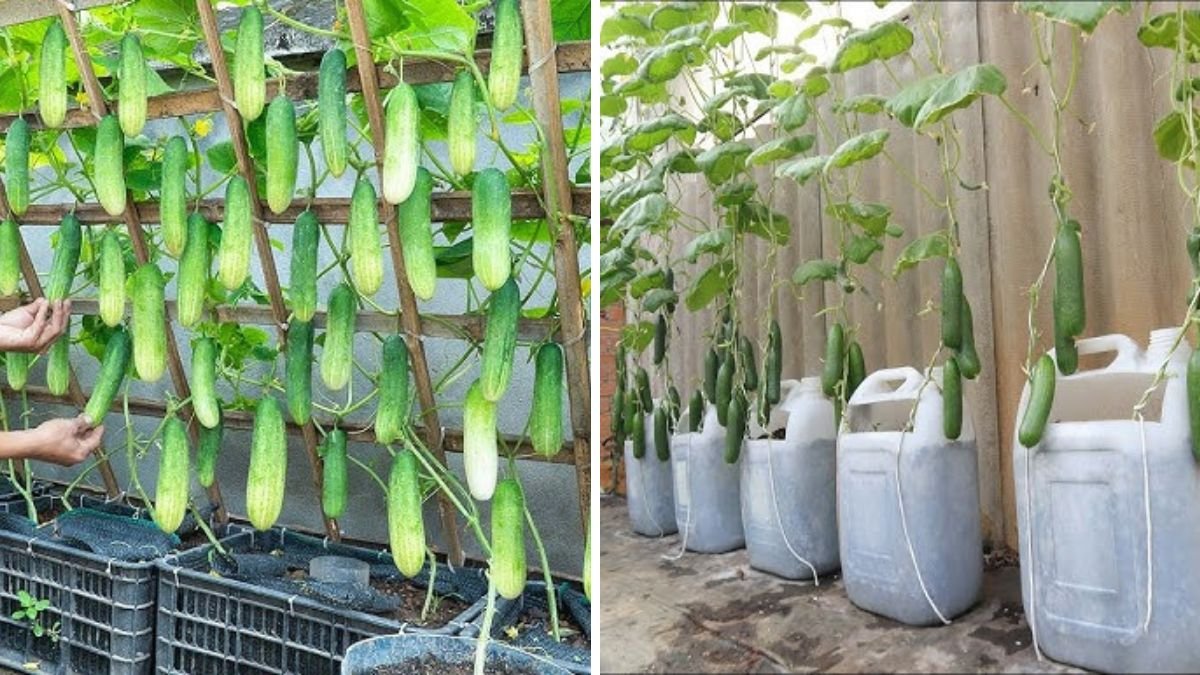
Cucumbers are one of the most popular summer vegetables, loved for their crisp texture, refreshing taste, and versatility in salads, pickles, and snacks. While many gardeners grow cucumbers in small batches, few realize that with the right approach, you can harvest cucumbers continuously throughout the season. Continuous harvesting not only ensures a steady supply of fresh cucumbers but also maximizes the productivity of your garden space. This article will guide you step by step on how to grow cucumbers this way, providing tips from soil preparation to harvesting, so you can enjoy a productive cucumber garden all summer long.
Why Continuous Harvest Matters for Cucumbers
Continuous harvesting refers to a gardening strategy where crops are picked regularly instead of waiting for all fruits to mature at once. This method encourages plants to produce new flowers and fruit consistently, rather than slowing down after the first flush of produce. Cucumbers respond particularly well to this method because they are fast-growing vines that naturally produce multiple harvests if properly cared for.
Some key advantages of continuous harvesting include:
- Maximized yield: Frequent picking encourages the plant to produce more fruit.
- Better flavor: Regular harvesting prevents cucumbers from over-maturing and becoming bitter or seedy.
- Efficient use of garden space: Continuous growth ensures your plants remain productive throughout the season.
- Reduced disease risk: Picking mature fruit promptly reduces stress on the plant and prevents rot.
Gardening experts and recent trends in sustainable home gardening emphasize continuous harvest as a strategy to maintain a productive and high-yield garden. By applying simple techniques, even small backyard plots can produce cucumbers for several months. (Gardengate Magazine)
Step 1: Choose the Right Cucumber Variety
The first step in ensuring continuous harvest is selecting the right cucumber variety. There are many types, including slicing cucumbers, pickling cucumbers, bush cucumbers, and vining types. For continuous production, choose high-yield, disease-resistant varieties. Some recommended options include:
Latest Posts
- With Just 1 Bottle of Water How I Was Shocked by What Happened When Growing Vegetables
- Maximize Your Home Garden with the Hanging Pea Sprout Growing Model – Space-Saving, High-Yield, and Easy-to-Manage Vertical Gardening Solution
- Just Water – The Secret to Growing Plump, White Peanut Sprouts Right at Home: A Step-by-Step Guide for Beginners
- Growing Zucchini at Home in a Container: How to Cultivate Large, Long Fruits with a 1-to-72 Day Step-by-Step Diary for Maximum Yield
- Grow Long Beans on the Terrace in Used Recycling Baskets: The Ultimate Guide to Easy, Space-Saving, and High-Yield Terrace Gardening
- How to Grow Tons of Long Beans Easily Without a Garden – A Complete Guide to Growing Healthy Yardlong Beans Without Fertilizers or Pesticides
- Easy Long Bean Growing Trick – No Garden, No Fertilizer, No Pesticide
- Grow Bitter Melon in Bottles — Harvest So Big You Can’t Eat It All! The Ultimate Guide to Bottle Gardening for Maximum Yields
- Growing Garlic Made Easy: No Soil, Fast Results – The Ultimate Guide to Growing Fresh Garlic Indoors Without Traditional Soil
- Wall-Mounted Hydroponic Watermelon System: Grow Large, Juicy, and Delicious Watermelons at Home with Minimal Space and Maximum Yield
- Bush varieties – Compact and ideal for containers or small gardens.
- Vining varieties – Perfect for trellises, providing more vertical space and better airflow.
- Parthenocarpic varieties – Produce fruit without pollination, ideal for greenhouse or container growing.
Pro Tip: Plant multiple varieties in blocks rather than long single rows. Cucumbers are pollinated by bees, and block planting encourages effective pollination for higher fruit set. (Martha Stewart Gardening)
Step 2: Timing and Planting
Cucumbers thrive in warm weather. Plant seeds or seedlings after the soil has fully warmed, typically after the last frost date in your area. Warm soil helps plants establish quickly and encourages early flowering, which is essential for a continuous harvest.
To maintain a season-long harvest, consider succession planting: plant new seeds or seedlings every 2–3 weeks. This ensures that when older plants begin to slow down, new plants are ready to take over, keeping the supply steady. (The Spruce)
Step 3: Prepare Soil and Space
Cucumbers are heavy feeders and need well-draining, fertile soil. Before planting, amend the soil with compost or aged organic matter to provide essential nutrients. Proper spacing is also crucial:
- Bush varieties: Space 12–18 inches apart.
- Vining varieties: Space 18–24 inches apart, ideally trained on a trellis.
Well-spaced plants allow sunlight to reach all leaves, improve airflow, reduce disease risk, and encourage the production of new flowers and fruit. Mulching around the base of the plants helps retain moisture, suppress weeds, and maintain soil temperature. (Royal Horticultural Society)
Step 4: Supporting Your Plants
For vining cucumber varieties, trellising or vertical support is highly recommended. This method:
- Saves garden space.
- Improves air circulation.
- Keeps fruits clean and easily accessible.
- Reduces stress on the plant by preventing sprawling.
Simple trellis systems, vertical stakes, or netting are sufficient for home gardens. By supporting the vines, you create optimal conditions for continuous flowering and fruit production. (Homes & Gardens)
Step 5: Watering and Fertilizing
Cucumbers need consistent moisture, particularly during flowering and fruiting stages. Irregular watering can lead to poor fruit set, bitter cucumbers, and reduced yield.
- Water deeply at the base of the plant 1–2 times per week, depending on rainfall.
- Avoid wetting leaves to minimize fungal diseases.
- Mulch to retain soil moisture and regulate temperature.
Fertilizing regularly with a balanced fertilizer encourages healthy growth and fruit development. When flowering begins, switch to a formula higher in potassium to support fruit production. (Lawn.com.au)
Step 6: Harvest Frequently
The key to a continuous cucumber harvest is picking mature fruit often. Leaving cucumbers on the vine too long can signal the plant to slow production.
- Slicing cucumbers: Harvest at 6–8 inches long.
- Pickling cucumbers: Harvest at 2–4 inches long.
- Frequency: Check plants every 2–3 days during peak season.
Prompt harvesting encourages the plant to produce more flowers and fruit, ensuring a steady supply all season. (Iowa State University Extension)
Step 7: Pruning and Plant Care
Light pruning helps maintain healthy plants and supports continuous production:
- Remove old or damaged leaves.
- Cut away overcrowded vines to improve airflow.
- Focus energy on new growth and flower production.
Healthy plants that are regularly pruned are more productive and less prone to disease. Additionally, inspecting for pests like cucumber beetles or aphids ensures your plants remain healthy throughout the season. (The Spruce)
Step 8: Tips for Container Gardening
If you have limited space, cucumbers can thrive in containers with proper care:
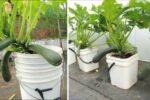
- Use large pots (at least 10–15 gallons) with well-draining soil.
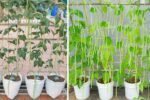
- Provide vertical support for vines.
- Maintain consistent watering and fertilization.
Container cucumbers produce just as well as garden-grown ones and are ideal for patios, balconies, or small yards. (Homes & Gardens)
Expert Recommendations
For gardeners who want authoritative guidance, consider these trusted sources:
- Royal Horticultural Society – Tips on growing cucumbers and maximizing yield. (RHS.org.uk)
- Iowa State University Extension – Continuous harvest techniques and pest management. (Iowa State Extension)
- Seed Savers Exchange – Recommended high-yield cucumber varieties and care instructions. (Seedsavers.org)
- Gardengate Magazine – Practical advice on frequent harvesting and plant productivity. (Gardengate Magazine)
Final Thoughts
Growing cucumbers for a continuous harvest is achievable with careful planning, proper care, and frequent picking. By selecting the right varieties, preparing fertile soil, providing adequate support, watering consistently, fertilizing, pruning, and harvesting regularly, gardeners can enjoy fresh, homegrown cucumbers throughout the season.
Whether you have a backyard garden, raised beds, or containers, implementing these techniques ensures a productive, flavorful, and high-yield cucumber harvest that keeps coming. With dedication and attention to plant needs, you can make your garden a source of continuous delight for salads, pickles, and summer recipes — all from your own backyard.