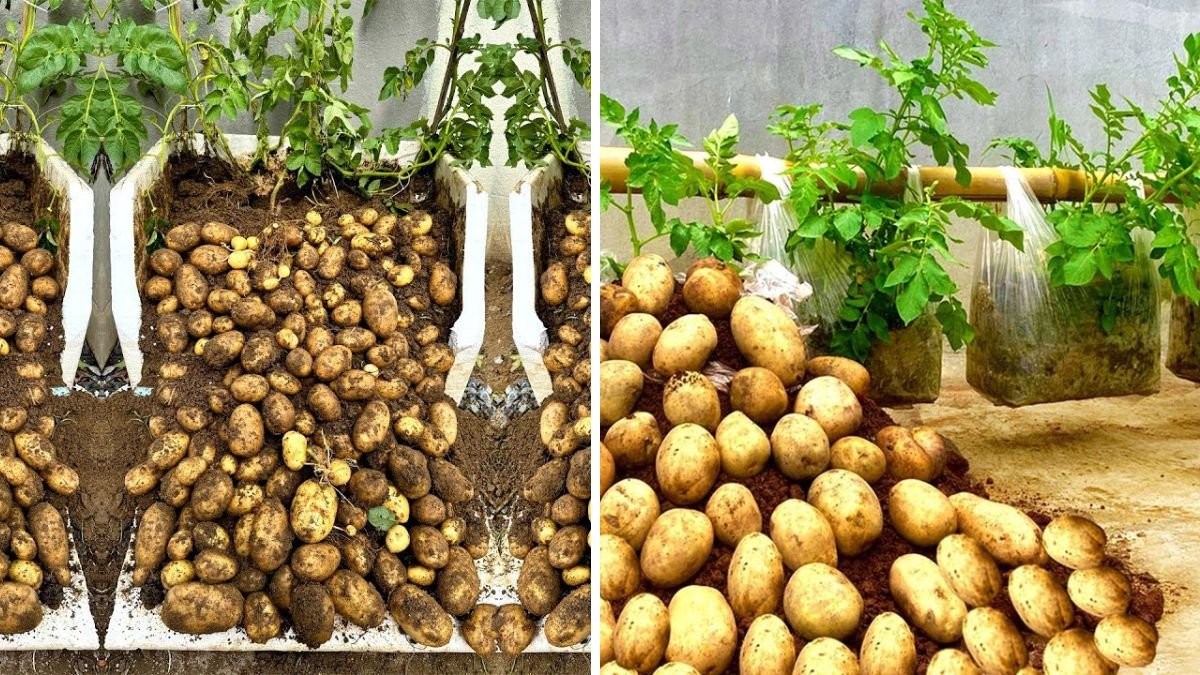
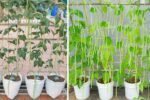
Potatoes are a staple food worldwide, and growing your own at home can be both fun and rewarding. However, not everyone has the luxury of a large backyard or garden space. This is where a simple, unconventional idea has taken off among urban gardeners: growing potatoes in Styrofoam boxes. This method is affordable, beginner-friendly, and surprisingly effective. Whether you live in a small apartment, a house with limited outdoor space, or just want to experiment with DIY gardening, Styrofoam boxes can turn your balcony, patio, or small backyard into a productive potato-growing oasis.
In this guide, we’ll explore everything you need to know about creating a lush potato garden in Styrofoam boxes — from setup and planting to care tips and creative hacks that maximize your yield.
Why Styrofoam Boxes Are Perfect for Potato Gardening
Styrofoam boxes, also known as polystyrene containers, are widely used in vegetable markets for transporting produce. They have several properties that make them ideal for container gardening:
- Lightweight and Portable: Unlike heavy clay or wooden boxes, Styrofoam is easy to move, allowing you to optimize sunlight exposure throughout the day.
- Insulating Properties: Styrofoam helps maintain a consistent soil temperature, protecting potatoes from extreme heat or cold.
- Space-Saving: Vertical stacking or arranging boxes in small outdoor areas makes them ideal for urban gardening.
- Cost-Effective and Reusable: Often available free from vegetable markets, these boxes are a low-cost alternative to commercial containers.
Urban gardening communities have recently reported a surge in interest around this method, as gardeners showcase impressive yields and creative setups online. Many gardeners are now using Styrofoam boxes not only for potatoes but also for other crops such as chayote, beans, and small herbs, demonstrating that these boxes are versatile and highly effective for home gardening (Bandrahillroadmarket.com).
Is Growing Potatoes in Styrofoam Boxes Safe?
A common concern is whether Styrofoam might leach harmful chemicals into the soil. According to gardening experts, polystyrene vegetable boxes previously used for food transport are safe for planting. The key is to ensure the boxes are clean, free of chemical residues, and meant for food storage rather than industrial use.
Latest Posts
- With Just 1 Bottle of Water How I Was Shocked by What Happened When Growing Vegetables
- Maximize Your Home Garden with the Hanging Pea Sprout Growing Model – Space-Saving, High-Yield, and Easy-to-Manage Vertical Gardening Solution
- Just Water – The Secret to Growing Plump, White Peanut Sprouts Right at Home: A Step-by-Step Guide for Beginners
- Growing Zucchini at Home in a Container: How to Cultivate Large, Long Fruits with a 1-to-72 Day Step-by-Step Diary for Maximum Yield
- Grow Long Beans on the Terrace in Used Recycling Baskets: The Ultimate Guide to Easy, Space-Saving, and High-Yield Terrace Gardening
- How to Grow Tons of Long Beans Easily Without a Garden – A Complete Guide to Growing Healthy Yardlong Beans Without Fertilizers or Pesticides
- Easy Long Bean Growing Trick – No Garden, No Fertilizer, No Pesticide
- Grow Bitter Melon in Bottles — Harvest So Big You Can’t Eat It All! The Ultimate Guide to Bottle Gardening for Maximum Yields
- Growing Garlic Made Easy: No Soil, Fast Results – The Ultimate Guide to Growing Fresh Garlic Indoors Without Traditional Soil
- Wall-Mounted Hydroponic Watermelon System: Grow Large, Juicy, and Delicious Watermelons at Home with Minimal Space and Maximum Yield
Additional tips for safe use:
- Wash the boxes thoroughly before planting.
- Avoid using Styrofoam containers that previously held chemicals or non-food products.
- Ensure good drainage by poking holes in the bottom to prevent waterlogging.
By following these precautions, Styrofoam boxes become a safe, sustainable, and practical container for potato gardening (Jerry Coleby-Williams).
How to Grow Potatoes in Styrofoam Boxes: 5 Super Easy Methods
Here are five effective ways to grow potatoes in Styrofoam boxes, suitable for beginners and experienced gardeners alike.
1. Classic Spud Method (Soil + Box)
The simplest approach is to fill a clean Styrofoam box three-quarters full with nutrient-rich potting soil. Place seed potatoes — cut into pieces with at least one “eye” — evenly on the soil surface. Cover lightly with soil, water gently, and keep the soil consistently moist. As shoots appear, add more soil around the stems (hilling) to encourage tuber growth. This method is beginner-friendly and works well on balconies or small patios (GrowingInTheGarden.com).
2. Layered Soil and Drainage Hack
Good drainage is crucial for healthy potatoes. To achieve this, place a layer of gravel, broken terracotta, or small pebbles at the bottom of the Styrofoam box. Then add a layer of high-quality potting soil. This prevents waterlogging, which can cause root rot, and encourages a strong root system. Layering also reduces the risk of soil compaction, which is essential for tuber development.
3. Mulch and Moisture Retention
Mulching is a simple way to improve water retention in Styrofoam boxes. Once shoots emerge, cover the soil surface with straw, shredded newspaper, or dried leaves. Mulch helps:
- Keep the soil cool during hot days
- Retain moisture, reducing the need for frequent watering
- Prevent weeds from sprouting, giving your potatoes a better growing environment (GoodHousekeeping.com)
Mulching also mimics natural conditions, resulting in healthier, more flavorful potatoes.

4. Stack and Hill Approach
The stack-and-hill method maximizes yield in a small container. Once potato shoots reach about 6–8 inches in height, add another layer of soil, covering most of the stems while leaving a few leaves exposed. Repeat this hilling process as the plant grows. This encourages more potatoes to develop along the buried stem, resulting in a larger harvest without increasing the container’s footprint.
5. Sunlight and Placement Strategy
Potatoes need full sun for at least six hours a day. Position your Styrofoam box in a location that receives ample sunlight. If you’re gardening indoors or in a shaded area, consider supplementing with LED grow lights. Rotating the box periodically ensures all plants receive even light exposure, promoting uniform growth.
Care Tips for a Healthy Potato Harvest
Even in containers, potatoes require proper care to thrive:
- Watering: Keep the soil evenly moist, but not soggy. Overwatering can lead to rot.
- Fertilization: Apply a balanced organic fertilizer every few weeks to support tuber growth.
- Pest Management: Watch for aphids, potato beetles, and fungal issues. Organic sprays or hand-picking pests can protect your crop.
- Harvesting: When the foliage turns yellow and dies back, carefully tip the box or remove soil to collect mature potatoes.
With attentive care, you can enjoy fresh, homegrown potatoes without needing a traditional garden.
Creative Styrofoam Box Potato Gardening Ideas
For those who enjoy DIY and creative gardening, here are some innovative ideas:
- Vertical Stack: Stack multiple Styrofoam boxes with holes in the bottom to create a vertical potato tower. This saves space and adds a unique visual element to your balcony garden.
- Mixed Container Garden: Combine potatoes with companion plants like onions or herbs in the same box for efficient use of space.
- Decorative Paint: Decorate your Styrofoam boxes with weatherproof paint to enhance aesthetics while keeping them functional.
- Rotating Boxes: Place boxes on a movable platform or tray to rotate sunlight exposure, ensuring even growth for all plants.
These creative approaches not only maximize yield but also make your container garden visually appealing.
Benefits of Growing Potatoes in Styrofoam Boxes
Using Styrofoam boxes for potatoes offers multiple advantages:
- Accessibility: Perfect for gardeners without a traditional yard or garden space.
- Eco-Friendly: Reuses waste material, reducing landfill impact.
- Beginner-Friendly: Minimal equipment and easy-to-follow steps make it ideal for novice gardeners.
- Space Efficiency: Small boxes can produce a surprising amount of potatoes in a limited area.
- Experimentation: Offers an opportunity to try new growing techniques and container gardening hacks.
Authoritative Sources for Further Reading
To back up your blog content and provide credible references, consider linking to:
- Growing In The Garden – Container Potato Tips: Step-by-step instructions for container potato gardening.
- Good Housekeeping – How to Grow Potatoes: Expert tips on soil, watering, and hilling.
- Jerry Coleby-Williams – Reuse Polystyrene Boxes: Guidance on safe Styrofoam reuse for gardening.
- Bandrahillroadmarket – DIY Potato Boxes: Real-life success stories of growing potatoes in Styrofoam boxes.
Conclusion
Growing potatoes in Styrofoam boxes is an innovative and practical solution for urban and small-space gardeners. By using clean, food-safe boxes, layering soil, adding proper drainage, and providing sunlight and water, you can harvest healthy, homegrown potatoes without a traditional garden. This method is affordable, beginner-friendly, and perfect for experimenting with container gardening.
Whether you’re looking to save space, reduce gardening costs, or simply try a fun DIY project, Styrofoam box potato gardening is a creative and rewarding way to grow your own food. With a little care and attention, your Styrofoam box can produce a bountiful harvest — turning any small space into a lush, productive garden.