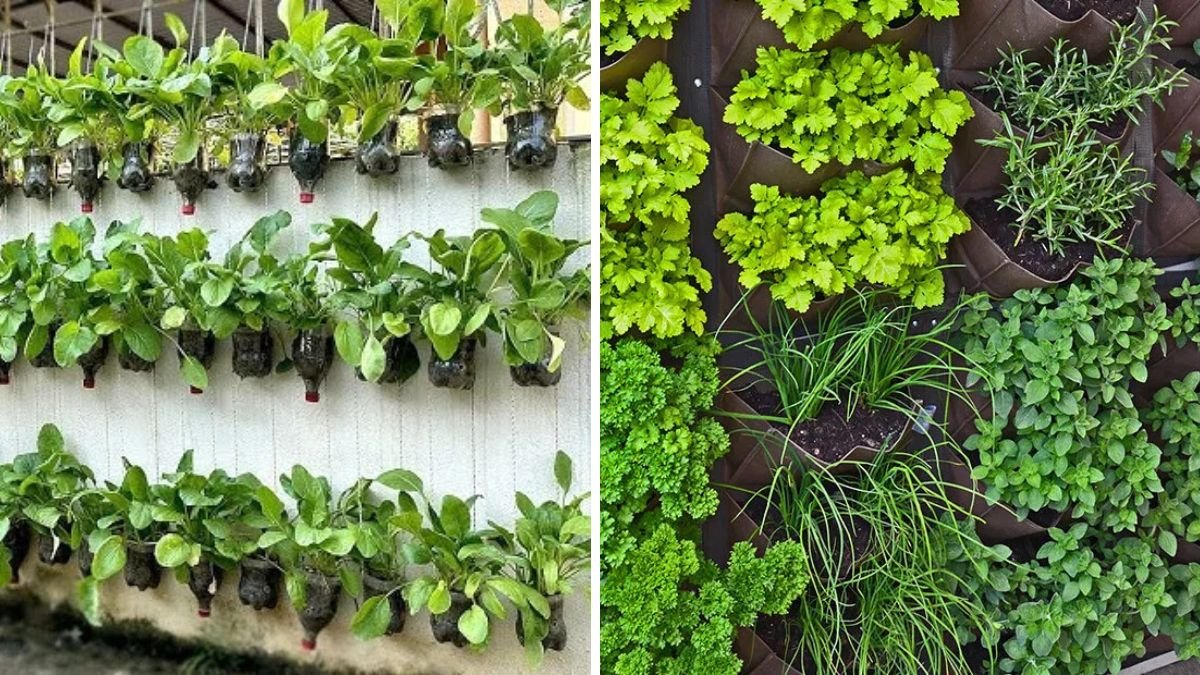
Do you have a blank wall in your home or backyard and wonder if it could do more than just stand there? Imagine transforming that plain wall into a lush, productive vegetable garden. Vertical gardening is becoming increasingly popular among urban dwellers and home gardeners with limited space. By growing vegetables, herbs, and greens upward instead of outward, you can maximize your space, enhance aesthetics, and enjoy fresh, homegrown food right at your doorstep. This guide will walk you through everything you need to know about turning a plain wall into a fresh green vegetable garden.
Why Choose a Vertical Vegetable Garden
Vertical gardens are more than just decorative — they’re practical. There are several advantages to using a wall for growing vegetables:
1. Maximize Space in Small Areas
In urban environments, outdoor space is often limited. Vertical gardens make use of walls, balconies, or fences, allowing you to grow more without taking up ground space. A small backyard or balcony can yield a surprising amount of fresh produce when you grow upward. (news.okstate.edu)
2. Easier Maintenance and Harvest
Plants at eye level are easier to water, prune, and harvest. This makes vertical gardening especially suitable for people with limited mobility or for anyone who wants less bending and squatting while tending their garden.
3. Better Air Circulation and Pest Control
Elevated plants benefit from improved airflow, which reduces fungal diseases and deters pests. Many vertical gardening systems also make it easier to monitor plant health and catch problems early. (envii.co.uk)
Latest Posts
- With Just 1 Bottle of Water How I Was Shocked by What Happened When Growing Vegetables
- Maximize Your Home Garden with the Hanging Pea Sprout Growing Model – Space-Saving, High-Yield, and Easy-to-Manage Vertical Gardening Solution
- Just Water – The Secret to Growing Plump, White Peanut Sprouts Right at Home: A Step-by-Step Guide for Beginners
- Growing Zucchini at Home in a Container: How to Cultivate Large, Long Fruits with a 1-to-72 Day Step-by-Step Diary for Maximum Yield
- Grow Long Beans on the Terrace in Used Recycling Baskets: The Ultimate Guide to Easy, Space-Saving, and High-Yield Terrace Gardening
- How to Grow Tons of Long Beans Easily Without a Garden – A Complete Guide to Growing Healthy Yardlong Beans Without Fertilizers or Pesticides
- Easy Long Bean Growing Trick – No Garden, No Fertilizer, No Pesticide
- Grow Bitter Melon in Bottles — Harvest So Big You Can’t Eat It All! The Ultimate Guide to Bottle Gardening for Maximum Yields
- Growing Garlic Made Easy: No Soil, Fast Results – The Ultimate Guide to Growing Fresh Garlic Indoors Without Traditional Soil
- Wall-Mounted Hydroponic Watermelon System: Grow Large, Juicy, and Delicious Watermelons at Home with Minimal Space and Maximum Yield

4. Aesthetic and Functional Benefits
Vertical gardens turn plain walls into beautiful living walls. They improve air quality, provide insulation, and create a visually appealing green space. Plus, they give your home or patio a unique, natural look that blends function with style. (greenyplus.com)
What You Need to Start Your Wall Garden
Before planting, you’ll need to prepare a few key elements:
1. Choose the Right Wall
A wall that receives at least 6–8 hours of sunlight daily is ideal for most vegetables. South- or west-facing walls are usually best. Sunlight ensures healthy growth, better flowering, and higher yields. (livewall.com)
2. Install a Sturdy Support System
You need a structure that can support soil, water, and mature plants. Options include trellises, mesh grids, hanging pockets, or modular panel systems. Make sure the wall is strong enough to bear the weight of your garden. (rhs.org.uk)
3. Watering and Drainage Setup
Vertical gardens dry out faster than ground beds, so consider drip irrigation or self-watering systems. Ensure proper drainage to prevent root rot and soil erosion. Consistent watering is critical for healthy growth.

4. Lightweight, Nutrient-Rich Soil
Use a high-quality potting mix designed for container gardening. Heavy soil can weigh down your wall planters and may not drain properly. Mixing in compost improves fertility and encourages strong, productive plants.
Best Vegetables for Vertical Wall Gardens
While many vegetables can grow vertically, some are particularly suited to wall gardens:
Leafy Greens and Herbs
Lettuce, spinach, kale, basil, parsley, and cilantro thrive in wall planters because they require shallow soil and frequent harvesting.
Small Fruit and Vining Crops
Strawberries, peas, pole beans, and cucumbers do well with trellising or vertical support. These crops climb naturally, making them perfect for walls.
Compact Vegetables
Dwarf tomatoes, peppers, and radishes adapt well to vertical setups and produce excellent yields in limited soil volume.

Tip: Avoid deep-rooted crops like large carrots or potatoes in shallow wall pockets; instead, reserve these for deeper containers or ground beds. (gardentowerproject.com)
Step-by-Step Guide to Building Your Wall Garden
Step 1: Plan Your Layout
Decide where each type of vegetable or herb will grow. Place sun-loving crops higher up where they get maximum light, and shade-tolerant plants lower down. Consider plant height, spacing, and growth habit to maximize sunlight exposure.
Step 2: Install Vertical Supports
Secure a trellis, mesh, or panel system to your wall. Ensure a small gap between the wall and plants for airflow, which prevents moisture buildup and reduces disease.
Step 3: Position Your Planters
Attach pots, hanging containers, or wall-mounted pockets. Drill drainage holes and fill each with lightweight potting mix enriched with compost. Arrange planters evenly across the support system.
Step 4: Irrigation and Sunlight
Set up drip irrigation, soaker hoses, or self-watering containers to maintain consistent moisture. Make sure all plants receive adequate sunlight. Rotate plants or prune as needed to ensure light reaches lower tiers.
Step 5: Planting and Maintenance
Plant seeds or seedlings according to their spacing requirements. Water regularly, fertilize as needed, and harvest frequently to encourage new growth. Prune vines and remove dead leaves to keep the wall garden lush and productive.
Tips from Experienced Gardeners
- DIY Hydroponic Walls: Some urban gardeners use vertical hydroponic setups to maximize yields in small spaces. These systems recycle water and nutrients efficiently.
- Mixed Containers: Using a combination of pockets, pots, and small troughs allows for diverse crops and easier maintenance.
- Weight Management: Always account for the combined weight of soil, plants, and water when mounting a wall garden. Overloading can damage the wall or structure. (reddit.com)
Maintenance for a Thriving Wall Garden
Vertical gardens require regular attention:
- Watering: Check moisture daily, especially in hot weather.
- Fertilization: Use liquid fertilizers or slow-release options to maintain nutrients.
- Pruning: Remove dead or crowded leaves to encourage airflow and prevent disease.
- Pest Control: Monitor for aphids, mites, or fungal issues and treat early with organic or chemical solutions.
Benefits Beyond Food
Vertical gardens don’t just provide vegetables — they offer a host of lifestyle and environmental benefits:
- Better Nutrition: Freshly harvested vegetables retain more vitamins and flavor than store-bought produce.
- Stress Relief: Gardening is therapeutic, reducing stress and promoting well-being.
- Eco-Friendly: Vertical gardens reduce the carbon footprint by minimizing transportation and packaging needs.
- Aesthetic Appeal: Turn blank walls into living art that enhances your home’s visual appeal.
Authoritative Sources for Further Reading
- Royal Horticultural Society – Veg on Walls: Expert guidance on planning and maintaining vertical vegetable gardens (rhs.org.uk)
- Almanac – Vertical Gardening Tips: Benefits, DIY ideas, and crop suggestions (almanac.com)
- Envii – Why Grow Vertically: Insights into pest management, air circulation, and vertical garden efficiency (envii.co.uk)
- GreenyPlus – Living Walls: The trend of vertical gardening for aesthetics and productivity (greenyplus.com)
Final Thoughts
Turning a plain wall into a fresh green vegetable garden is an innovative way to maximize space, increase yields, and enjoy fresh, homegrown produce. With careful planning, the right structure, suitable crops, and regular maintenance, any wall — large or small — can be transformed into a productive and beautiful vertical garden.
Whether you live in a city apartment, small backyard, or modest patio, a wall garden allows you to enjoy the benefits of gardening even in limited space. Start with easy-to-grow vegetables, use lightweight soil, and ensure proper irrigation. Soon, your plain wall will burst into life, producing a lush, green, and bountiful harvest right at home.
Vertical gardening is not only a space-saving solution but also an investment in your health, your wallet, and the environment. Turn that blank wall into a thriving vegetable garden and enjoy fresh food, beautiful greenery, and a rewarding gardening experience all year round. 🌱🥬🍅
Word Count: 1,200
Focus Keyword: Turning A Plain Wall Into A Fresh Green Vegetable Garden
Meta Description: Learn Turning A Plain Wall Into A Fresh Green Vegetable Garden with easy vertical gardening tips, plant suggestions, and maintenance advice for maximum yields in small spaces.
URL Slug: turning-a-plain-wall-into-a-fresh-green-vegetable-garden