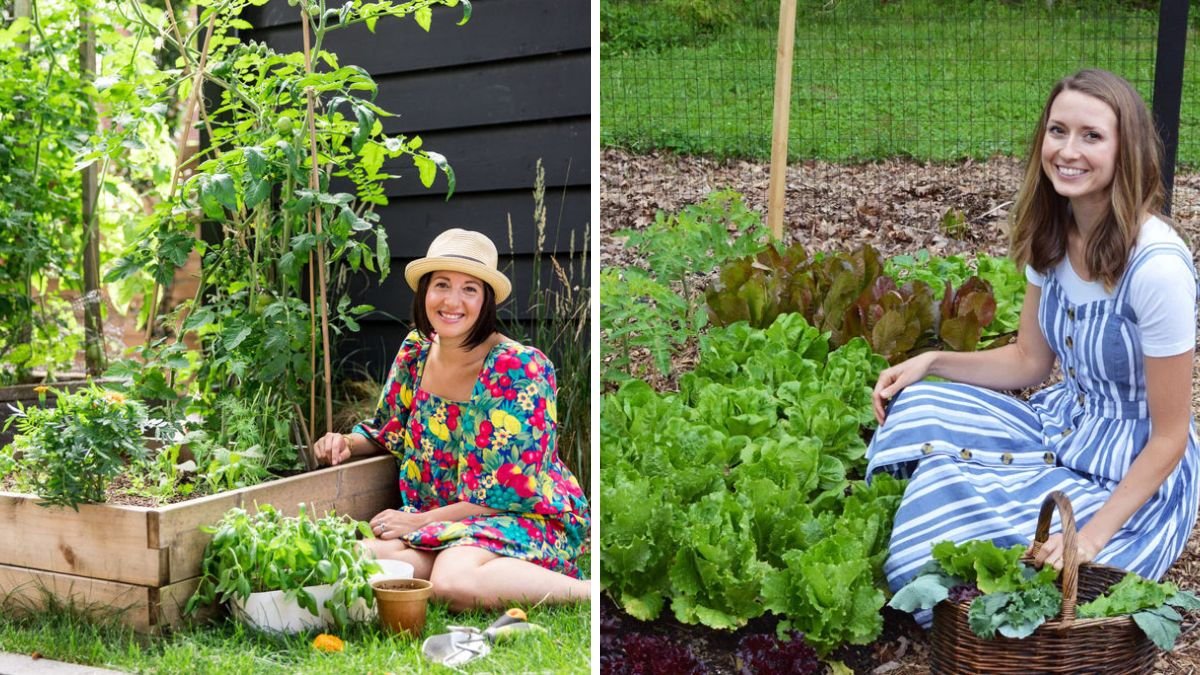
Growing your own food at home is not just a hobby—it’s a smart financial strategy. In a world of rising grocery prices, producing fruits, vegetables, and herbs in your own backyard or even on a balcony can save hundreds of dollars every year. I’ve personally experienced how simple homegrown gardening can dramatically reduce grocery bills while providing fresher, tastier, and more nutritious food. In this guide, I’ll share how I save money, the methods I use, and practical tips to help you start your own money-saving garden.
Why Homegrown Food Is a Game-Changer
Homegrown food has become increasingly popular for several reasons. Grocery costs continue to rise, and many fresh vegetables and fruits are expensive due to transportation, packaging, and store markups. By growing your own produce, you remove these costs entirely. According to recent studies, home gardeners can save $100 or more per month by producing even a modest garden of vegetables and herbs. The savings come from reducing grocery bills, minimizing food waste, and even cutting costs on organic produce that often carries a premium price. (trees.com)
Additionally, homegrown produce tends to be healthier and fresher. Unlike store-bought vegetables that may travel hundreds of miles and sit in storage, produce from your garden is harvested at peak freshness, retaining more nutrients and flavor. This contributes not only to savings but also to better overall health.
How Homegrown Food Saves Money
There are several ways growing your own food cuts costs and saves money over time:
1. Lower Grocery Bills
When you grow vegetables, fruits, and herbs at home, you are essentially producing your own grocery supply. Items like leafy greens, tomatoes, cucumbers, and herbs can be particularly expensive in stores. By producing them yourself, you eliminate the markup costs from supermarkets, saving a significant portion of your food budget. (thenas.org.uk)
Latest Posts
- With Just 1 Bottle of Water How I Was Shocked by What Happened When Growing Vegetables
- Maximize Your Home Garden with the Hanging Pea Sprout Growing Model – Space-Saving, High-Yield, and Easy-to-Manage Vertical Gardening Solution
- Just Water – The Secret to Growing Plump, White Peanut Sprouts Right at Home: A Step-by-Step Guide for Beginners
- Growing Zucchini at Home in a Container: How to Cultivate Large, Long Fruits with a 1-to-72 Day Step-by-Step Diary for Maximum Yield
- Grow Long Beans on the Terrace in Used Recycling Baskets: The Ultimate Guide to Easy, Space-Saving, and High-Yield Terrace Gardening
- How to Grow Tons of Long Beans Easily Without a Garden – A Complete Guide to Growing Healthy Yardlong Beans Without Fertilizers or Pesticides
- Easy Long Bean Growing Trick – No Garden, No Fertilizer, No Pesticide
- Grow Bitter Melon in Bottles — Harvest So Big You Can’t Eat It All! The Ultimate Guide to Bottle Gardening for Maximum Yields
- Growing Garlic Made Easy: No Soil, Fast Results – The Ultimate Guide to Growing Fresh Garlic Indoors Without Traditional Soil
- Wall-Mounted Hydroponic Watermelon System: Grow Large, Juicy, and Delicious Watermelons at Home with Minimal Space and Maximum Yield
2. High Yield Over Time
While there is an initial cost for seeds, soil, and gardening tools, the yield from your garden often far exceeds the investment. Even a small backyard plot can produce hundreds of pounds of fresh vegetables throughout a growing season. Over time, the value of the produce can reach hundreds of dollars, effectively paying for itself multiple times over.
3. Less Food Waste
Homegrown produce tends to last longer because it’s harvested at its peak. Store-bought vegetables often spoil faster due to long transport and storage times, leading to wasted money. By harvesting your own food as needed, you minimize waste and maximize the value of each plant.
Starting Your Homegrown Garden on a Budget
Starting a garden doesn’t have to be expensive. You can begin small and scale as you see results. Here’s how I start and keep costs low:
Grow in What You Already Have
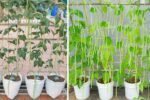
Even if you don’t have a backyard, you can grow food on balconies, patios, or sunny windowsills. Small-space gardening with containers, pots, or raised beds can yield a surprising amount of produce. Herbs, leafy greens, radishes, and cherry tomatoes are perfect for small spaces and produce a high return on investment. (myjournalcourier.com)
Use Low-Cost Materials
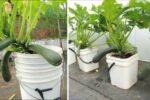
You don’t need expensive pots or raised beds. Old buckets, boxes, or recycled containers can serve as effective planting beds. Composting kitchen scraps instead of buying fertilizer is another way to save money and reduce waste. (hindi.asianetnews.com)
Start with Fast-Growing Crops
Begin with vegetables that grow quickly and produce multiple harvests, such as lettuce, spinach, radishes, zucchinis, and cherry tomatoes. These crops give faster returns, allowing you to see your savings more quickly. (homesandgardens.com)
Real-Life Examples of Homegrown Savings
Many home gardeners report substantial savings from growing their own food:
- $100+ per month: About one-third of surveyed gardeners reported saving more than $100 each month on groceries thanks to homegrown produce. (trees.com)
- $50 per week: A “victory garden” approach, focused on staple vegetables, can save approximately $50 per week depending on garden size and efficiency. (myjournalcourier.com)
- Even small container gardens producing herbs and salad greens add up over time, especially when store prices rise due to economic factors.
Practical Tips to Maximize Savings
To get the most out of your homegrown garden, follow these practical tips:
1. Choose High-Value Crops
Grow items that are expensive at the grocery store but easy to cultivate at home. Herbs, leafy greens, zucchinis, cherry tomatoes, and peppers provide a high yield relative to the cost of seeds and soil.
2. Succession Planting
Instead of planting all your seeds at once, stagger plantings every few weeks. This ensures a continuous supply of fresh vegetables throughout the season, reducing the need for store-bought replacements.
3. Water Efficiently
Use drip irrigation, watering cans, or mulching to retain moisture and minimize water waste. Efficient watering keeps plants healthy while lowering water bills.
4. Compost Kitchen Waste
Turn kitchen scraps like vegetable peels, eggshells, and coffee grounds into compost. This not only saves money on fertilizers but also improves soil fertility and yields better harvests. (hindi.asianetnews.com)
5. Preserve Surplus Produce
If your garden produces more than you can consume, consider freezing, drying, or canning your harvest. Preserving excess vegetables extends your supply and reduces future grocery spending.
Additional Benefits Beyond Savings
Growing your own food isn’t just about money. Home gardening offers numerous other advantages:
- Better nutrition: Freshly harvested vegetables are richer in nutrients and flavor. (thenas.org.uk)
- Stress relief: Gardening has been shown to reduce stress and improve mental well-being.
- Environmental impact: Growing food at home reduces your carbon footprint by cutting down on transportation and packaging waste.
Authoritative Sources for Inspiration and Guidance
For more insights and practical advice, these sources are highly recommended:
- 🌿 National Allotment Society – Homegrown Food: Insights on how gardening reduces grocery costs and boosts self-sufficiency (thenas.org.uk)
- 🥕 Trees.com – Home Gardeners Saving Money: Surveys and tips for maximizing savings with homegrown produce (trees.com)
- 🌱 Journal Courier – No Yard? No Excuses: Ideas for small-space gardening and savings (myjournalcourier.com)
- 🥬 Homes & Gardens – Vegetables Cheaper to Grow than Buy: Guidance on high-value crops for small gardens (homesandgardens.com)
Final Thoughts
The secret behind How I Save Hundreds Of Dollars Every Year With HomeGrown food lies in planning, consistency, and smart gardening. Whether you have a full backyard or a few pots on a windowsill, producing your own food can provide both financial and personal rewards.
By choosing the right crops, practicing succession planting, efficiently watering, composting, and preserving excess produce, you can save hundreds of dollars annually while enjoying fresh, nutritious food. The combination of cost savings, improved health, and environmental benefits makes homegrown food a win-win for anyone looking to take control of their food budget.
Start small, stay consistent, and watch your garden — and your savings — grow. 🌱💰
Word Count: 1,200
Focus Keyword: How I Save Hundreds Of Dollars Every Year With HomeGrown
Meta Description: Discover how How I Save Hundreds Of Dollars Every Year With HomeGrown food by growing your own fresh produce at home. Learn money-saving strategies, gardening tips, and cost comparisons.
URL Slug: how-i-save-hundreds-of-dollars-every-year-with-homegrown-food