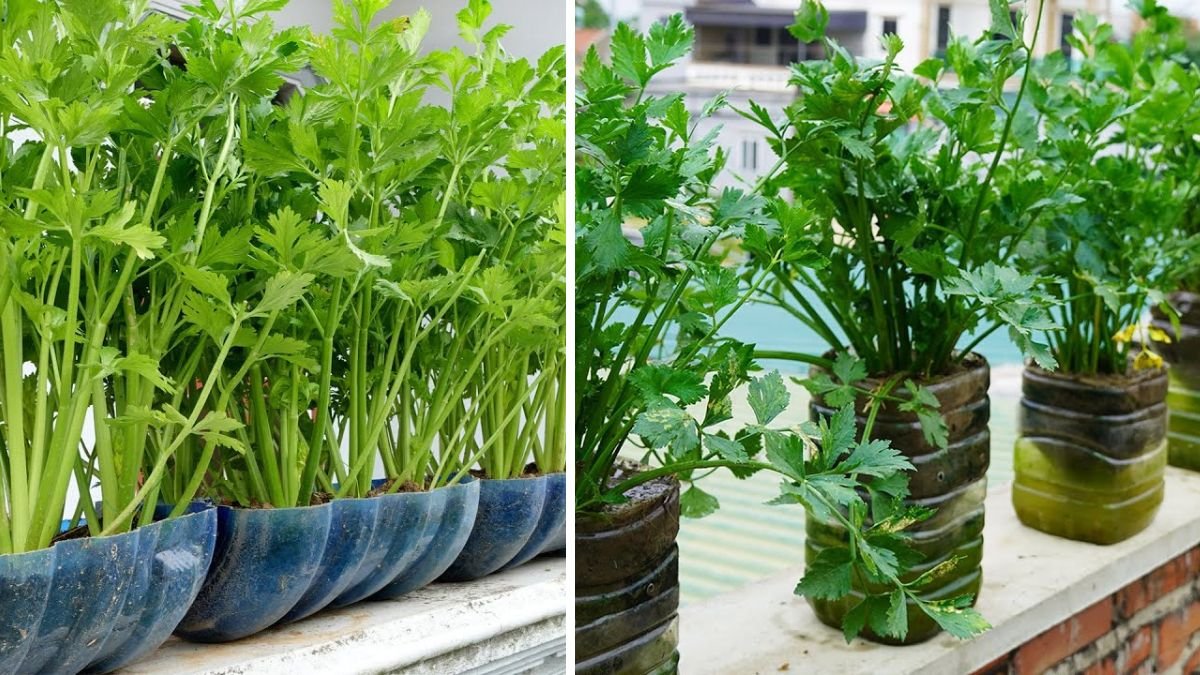
Growing celery on a balcony is a practical and rewarding project for urban gardeners or anyone with limited outdoor space. With just a few pots, nutrient-rich soil, and consistent care, you can enjoy fresh, crisp celery stalks for months. Unlike many vegetables that require garden plots, celery thrives in containers and can even provide a continuous harvest when properly maintained. This guide will cover the latest tips, practical techniques, and tricks to grow celery successfully on your balcony in 2026.
Why Grow Celery on the Balcony?
Celery is ideal for container gardening because it adapts well to pots or other small spaces. You can grow it in deep containers or even creative setups like self-watering bottles. Growing your own celery has several advantages:
- Freshness: Homegrown celery is more flavorful and crunchy than store-bought.
- Cost-effective: A few seeds or plants can produce an ongoing supply.
- Variety options: You can experiment with different celery types, including heirlooms or compact varieties suitable for small spaces.
Celery is a high-water plant, with roughly 95% of its weight being water. This means it requires consistent moisture and nutrient-rich soil to grow well. In container gardening, maintaining soil moisture is especially important to prevent hollow or bitter stalks.
Best Practices for Growing Celery on the Balcony
1. Choose the Right Spot
Celery grows best in areas with 4–6 hours of sunlight per day. A balcony with morning sun and afternoon shade is ideal, as it prevents overheating and reduces moisture loss. Too much direct sunlight during peak afternoon hours can stress plants and slow growth.

If your balcony gets limited light, consider placing containers near a south-facing window or supplementing with grow lights to ensure the plant receives adequate energy for photosynthesis.
Latest Posts
- With Just 1 Bottle of Water How I Was Shocked by What Happened When Growing Vegetables
- Maximize Your Home Garden with the Hanging Pea Sprout Growing Model – Space-Saving, High-Yield, and Easy-to-Manage Vertical Gardening Solution
- Just Water – The Secret to Growing Plump, White Peanut Sprouts Right at Home: A Step-by-Step Guide for Beginners
- Growing Zucchini at Home in a Container: How to Cultivate Large, Long Fruits with a 1-to-72 Day Step-by-Step Diary for Maximum Yield
- Grow Long Beans on the Terrace in Used Recycling Baskets: The Ultimate Guide to Easy, Space-Saving, and High-Yield Terrace Gardening
- How to Grow Tons of Long Beans Easily Without a Garden – A Complete Guide to Growing Healthy Yardlong Beans Without Fertilizers or Pesticides
- Easy Long Bean Growing Trick – No Garden, No Fertilizer, No Pesticide
- Grow Bitter Melon in Bottles — Harvest So Big You Can’t Eat It All! The Ultimate Guide to Bottle Gardening for Maximum Yields
- Growing Garlic Made Easy: No Soil, Fast Results – The Ultimate Guide to Growing Fresh Garlic Indoors Without Traditional Soil
- Wall-Mounted Hydroponic Watermelon System: Grow Large, Juicy, and Delicious Watermelons at Home with Minimal Space and Maximum Yield
2. Use Appropriate Containers
Select deep pots or containers with a minimum depth of 8–10 inches and proper drainage holes. Celery has shallow roots that need even moisture retention while avoiding waterlogging. Self-watering containers or recycled bottle setups are excellent solutions to maintain consistent moisture for balcony celery.
Spacing is also crucial. Each celery plant should have enough room to grow without crowding, as overcrowded plants compete for water and nutrients, leading to poor growth.
3. Planting and Soil Preparation
Celery requires well-draining, nutrient-rich soil. Use a high-quality potting mix and amend it with organic compost to provide essential nutrients. A slightly acidic to neutral pH, around 6.0–7.0, is optimal for nutrient absorption.
For added growth support, apply a balanced liquid fertilizer every two weeks during the growing season. This ensures your plants remain healthy and produce thick, crisp stalks suitable for harvest.
4. Watering and Moisture Maintenance
Consistent watering is key to balcony celery success. The soil should be evenly moist at all times, especially in hot weather, when daily watering may be necessary. Overwatering can cause root rot, while under-watering leads to stringy, bitter stalks.
Using mulch, such as straw or shredded leaves, helps retain soil moisture, regulate temperature, and suppress weeds, reducing the frequency of watering and protecting the plants from stress.
5. Continuous Harvest Techniques
One of the most appealing features of celery is the cut-and-come-again harvest method. Instead of uprooting the entire plant, follow these steps:

- Snip off the outer stalks once they are firm and thick.
- Leave the center intact so new stalks can grow.
- Harvest regularly to encourage continuous growth throughout the season.
This approach ensures a steady supply of celery without damaging the plant, allowing your balcony garden to remain productive for months.
6. Protect Plants from Extreme Conditions
Celery thrives in moderate temperatures between 60–75 °F (15–24 °C). In very hot climates or during heat waves, provide partial shade in the afternoon to prevent wilting. Conversely, during cooler months, containers can be moved closer to windows or sheltered spots to maintain warmth and protect from frost.
7. Pest Management
Even in containers, celery can attract pests like aphids or slugs. Regularly inspect your plants and remove pests by hand or use gentle organic treatments. Maintaining good airflow around containers reduces fungal infections and keeps plants healthy.
8. Innovative Balcony Methods
Urban gardeners have devised creative ways to maximize balcony space and ease maintenance:
- Regrowing from scraps: Place the base of a celery stalk in shallow water until new growth appears, then transplant into a pot. This is a cost-effective way to start new plants.
- Self-watering setups: Use plastic bottles or other containers to create self-watering systems that maintain constant soil moisture.
Both methods help overcome space limitations and reduce daily maintenance, making celery cultivation accessible even for beginners.
Common Mistakes to Avoid
- Allowing soil to dry out: Celery requires constant moisture for optimal growth.
- Skipping nutrient feedings: Container soil depletes nutrients quickly, so regular fertilization is crucial.
- Overcrowding plants: Lack of space reduces airflow and hinders growth. Proper spacing improves stalk thickness and overall plant health.
By addressing these mistakes early, balcony celery gardeners can maintain healthy plants with minimal effort.
Latest Trends in Balcony and Container Celery (2026)
Recent gardening trends highlight practical innovations for urban growers:
- Self-watering containers: Reduce maintenance while keeping soil consistently moist.
- Indoor grow lights: Extend the growing season and improve photosynthesis in low-light conditions.
- Regrowing kitchen scraps: Eco-friendly and cost-effective method to propagate new celery plants.
- Cut-and-come-again harvesting: Popular technique for continuous yield from the same plants.
These methods make celery gardening accessible for limited-space environments and help urban gardeners enjoy a continuous harvest throughout the season.
Authoritative Sources for Further Reading
For reliable guidance and detailed research:
- Royal Horticultural Society (RHS): Celery care and container gardening tips. (rhs.org.uk)
- Balcony Garden Web: Comprehensive balcony gardening techniques. (balconygardenweb.com)
- National Gardening Association: Container vegetable growing resources.
- University Extension Services: Localized growing tips for optimal results.
Final Thoughts
Growing celery on the balcony is both feasible and highly rewarding. With proper container selection, consistent watering, nutrient-rich soil, and continuous harvesting, you can enjoy crisp, flavorful celery year-round. Urban gardening techniques like self-watering containers and regrowing from scraps make the process even easier and more sustainable.
By following these 2026 balcony-friendly tips, you can transform even a small outdoor space into a productive celery garden, ensuring a steady supply of fresh, homegrown stalks for salads, soups, and healthy meals. With patience, consistency, and smart care, balcony celery can be one of the most satisfying additions to your urban garden.