Cabbage is one of the most versatile and rewarding vegetables to grow at home. Whether you love it in crunchy salads, hearty soups, or fermented as sauerkraut, homegrown cabbage is fresher, tastier, and more nutritious than store-bought. Many gardeners often wish they knew how to grow cabbage earlier and more easily — and with a few simple steps, you can enjoy a high-yield harvest even in small spaces. This guide covers everything from planting to harvesting, making it easy for beginners and experienced gardeners alike.
Why Grow Cabbage at Home?
Homegrown cabbage has several advantages over store-bought varieties. It’s fresher, free of chemical treatments, and can be harvested at the perfect time for flavor and crunch. Growing cabbage yourself also allows for better control over soil quality, watering, and pest management. Additionally, cabbage is rich in vitamins, antioxidants, and dietary fiber, making it a healthy addition to your kitchen.
Cabbage is a cool-season crop, which means it thrives in mild temperatures and can tolerate light frost. With proper planning, you can extend your growing season and even have successive plantings for multiple harvests. Many gardeners wish they had started earlier, as early planting ensures faster growth, larger heads, and higher yields.
Picking the Best Spot and Soil
Cabbage grows best in a sunny location with at least six to eight hours of direct sunlight per day. In warmer climates, a spot with morning sun and partial afternoon shade helps prevent heat stress and promotes steady growth.
Soil preparation is critical for cabbage. The ideal soil is well-draining, fertile, and rich in organic matter. Mix compost or aged manure into the soil a few weeks before planting to improve nutrient content and structure. Slightly acidic to neutral soil with a pH of 6.0–6.5 is optimal. Heavy clay or sandy soils can be improved with organic amendments to retain moisture and enhance root development. Proper soil preparation is one of the easiest ways to achieve a high-yield cabbage harvest.
Latest Posts
- With Just 1 Bottle of Water How I Was Shocked by What Happened When Growing Vegetables
- Maximize Your Home Garden with the Hanging Pea Sprout Growing Model – Space-Saving, High-Yield, and Easy-to-Manage Vertical Gardening Solution
- Just Water – The Secret to Growing Plump, White Peanut Sprouts Right at Home: A Step-by-Step Guide for Beginners
- Growing Zucchini at Home in a Container: How to Cultivate Large, Long Fruits with a 1-to-72 Day Step-by-Step Diary for Maximum Yield
- Grow Long Beans on the Terrace in Used Recycling Baskets: The Ultimate Guide to Easy, Space-Saving, and High-Yield Terrace Gardening
- How to Grow Tons of Long Beans Easily Without a Garden – A Complete Guide to Growing Healthy Yardlong Beans Without Fertilizers or Pesticides
- Easy Long Bean Growing Trick – No Garden, No Fertilizer, No Pesticide
- Grow Bitter Melon in Bottles — Harvest So Big You Can’t Eat It All! The Ultimate Guide to Bottle Gardening for Maximum Yields
- Growing Garlic Made Easy: No Soil, Fast Results – The Ultimate Guide to Growing Fresh Garlic Indoors Without Traditional Soil
- Wall-Mounted Hydroponic Watermelon System: Grow Large, Juicy, and Delicious Watermelons at Home with Minimal Space and Maximum Yield
Timing Matters – Start Smart
Timing is everything when it comes to cabbage. For a spring harvest, start seeds indoors about six to eight weeks before the last expected frost. Transplant seedlings two to three weeks before the last frost to give them a head start.
For a fall crop, direct sowing in hot midsummer isn’t ideal. Instead, start seeds indoors 10–12 weeks before the first expected frost and transplant them once seedlings are strong enough. Gradually expose seedlings to outdoor conditions, a process called hardening off, to reduce transplant shock and ensure faster growth.
Planting and Spacing for High Yield
Proper spacing is essential for cabbage heads to form fully. Plant seedlings in rows spaced 24–30 inches apart, leaving about 18 inches between plants. This allows sufficient airflow, reduces disease risk, and ensures each plant receives enough nutrients.
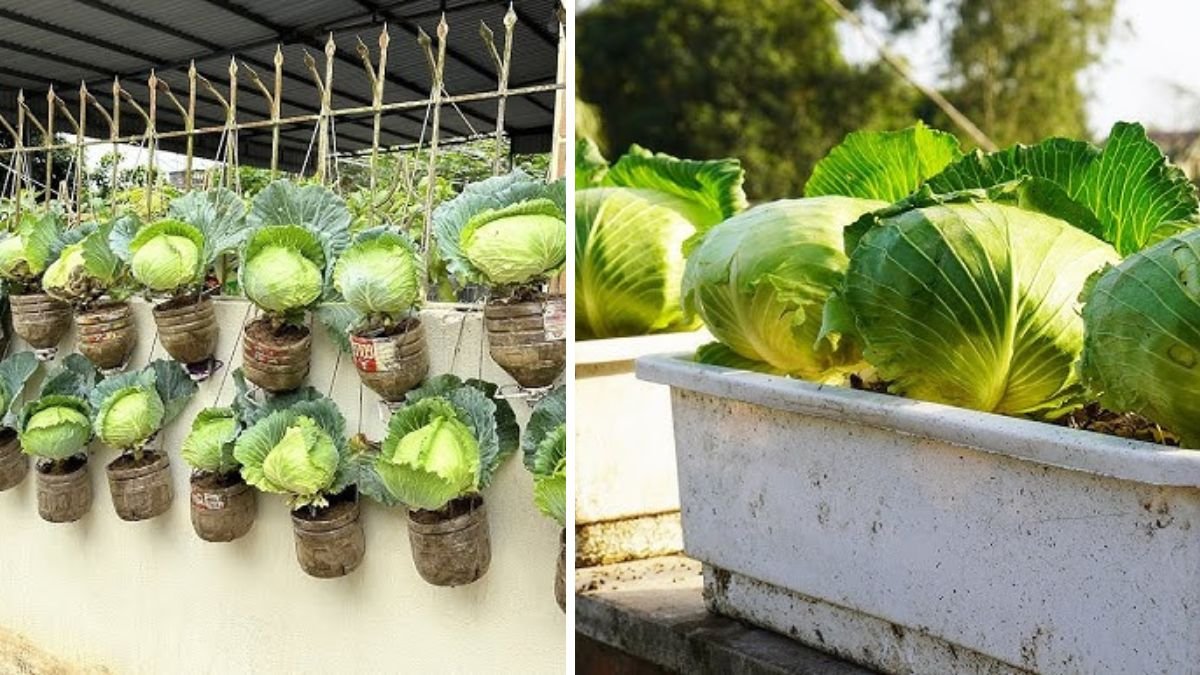
In small gardens or container setups, opt for compact cabbage varieties. Use deep pots with rich, well-draining soil and maintain adequate spacing to allow heads to grow large. Even in limited spaces, you can achieve impressive yields with careful planting and maintenance.
Watering, Feeding, and Mulching
Cabbage roots are shallow, so consistent moisture is key. The soil should remain evenly moist but never waterlogged. Aim for about one inch of water per week, adjusting for rainfall and temperature.
Mulching around cabbage plants helps retain soil moisture, suppress weeds, and moderate soil temperature. Organic mulches like straw, shredded leaves, or compost are excellent choices.
Cabbage is a heavy feeder. Apply a balanced fertilizer early in the season and provide a nitrogen boost as heads begin to form. Fertilizing ensures steady growth and firm, dense cabbage heads. Avoid over-fertilization, as excessive nitrogen can result in loose, leafy heads rather than compact bulbs.
Protecting Your Cabbage Crop
Cabbage can attract pests such as cabbage worms, loopers, aphids, slugs, and snails. Protect young seedlings by using row covers or fine mesh to keep insects away. Hand-picking pests and maintaining clean garden beds can also reduce infestations.
Disease prevention is equally important. Ensure good airflow around plants, remove damaged leaves promptly, and rotate cabbage crops with other vegetables to prevent soil-borne diseases. Avoid planting other brassicas nearby, as they share pests and diseases. These steps help maintain healthy, vigorous plants for maximum yield.
Harvesting Cabbage at the Right Time
Cabbage is ready to harvest when the head feels firm and dense. Depending on variety and growing conditions, heads typically mature in 70–90 days.
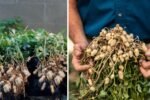
To harvest:
- Stop watering one to two weeks before harvest to allow the soil to dry slightly.
- Cut the head off at the base using a sharp knife or shears.
- Leave the outer leaves and root stub in place if you want to encourage secondary smaller heads.
Harvesting at the right time is crucial. Waiting too long can cause heads to split or become overmature, especially if there’s uneven watering or rapid growth after dry spells. Consistent care and timely harvests result in crisp, high-quality cabbage heads.
Tips for Bigger, Healthier Cabbage Heads
To maximize yield and quality:
- Rotate crops annually to prevent soil disease buildup.
- Fertilize with organic inputs like fish emulsion or seaweed extract.
- Maintain consistent soil moisture to prevent bitter flavor or splitting.
- Remove outer damaged leaves promptly to promote healthy growth.
These simple practices help ensure larger, firmer, and tastier cabbage heads.
Growing Cabbage in Containers
If space is limited, cabbage can thrive in containers. Use pots at least 12 inches deep with high-quality compost. Ensure proper spacing and sunlight, and maintain consistent watering. Container gardening is especially useful for urban spaces or small balconies, allowing gardeners to enjoy fresh cabbage without a traditional garden bed.
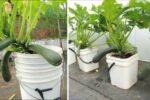
Innovative gardeners sometimes experiment with vertical or hanging methods to maximize yield per square foot. Even small spaces can produce multiple cabbage heads with proper care.
Suggested Authoritative Sources
For more detailed guidance and expert tips, consult these resources:
- Royal Horticultural Society (RHS) – Comprehensive brassica growing guides (rhs.org.uk)
- The Old Farmer’s Almanac – Step-by-step cabbage planting and care (almanac.com)
- UC Statewide IPM Program – Soil preparation and pest management (ipm.ucanr.edu)
- Gardeners Supply – Fertilizer, watering, and container gardening tips (gardeners.com)
- Gardeners Path – Companion planting, pests, and growth optimization (gardenerspath.com)
Final Thoughts
Cabbage is a cool-season superstar that’s easy to grow with the right techniques. By selecting a sunny location, preparing fertile soil, timing your planting, maintaining consistent watering and feeding, and protecting plants from pests and disease, you can enjoy early, high-yield cabbage crops.
Even if you feel like you “wished you knew how to grow it earlier,” these simple steps ensure successful growth and a satisfying harvest. Whether in garden beds, raised rows, or containers, cabbage can become one of your most productive and rewarding vegetables.
Start planting today, and soon you’ll enjoy fresh, crispy, nutritious cabbage straight from your home garden.