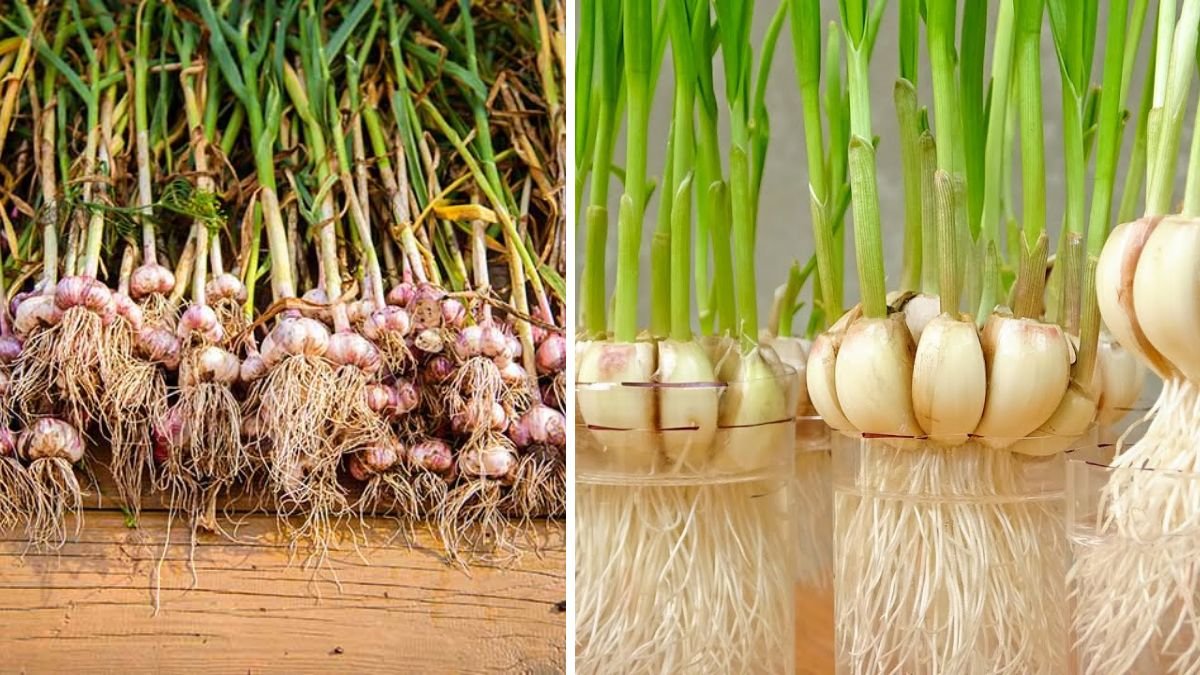
Why Grow Garlic at Home?
Homegrown garlic offers many advantages. Unlike store-bought bulbs, your own garlic is fresher, more flavorful, and free from chemical treatments. Garlic is also hardy, low-maintenance, and stores well for several months when cured properly. Planting garlic can even help deter some pests and improve soil health when used in crop rotations.
Growing garlic is especially satisfying for beginners because it doesn’t require complex techniques or equipment. With a few simple practices—choosing the right cloves, planting at the right time, and caring for the plants—you can achieve a high-yield garlic harvest even with limited space.
Choosing the Right Planting Time
Timing is critical when growing garlic. The best planting season is in the fall, after the first frost has passed but before the ground freezes. Fall-planted cloves establish strong roots before winter, ensuring vigorous growth and large bulbs by summer.
If you miss the fall window, garlic can still be planted in spring. However, spring-planted garlic may produce smaller bulbs unless the cloves undergo a cold treatment called vernalization to simulate winter conditions. For most home gardeners, fall planting remains the simplest and most effective approach.

Pro Tip: In warmer climates, garlic planting can extend into later months, but cold weather promotes stronger growth and larger bulbs.
Latest Posts
- With Just 1 Bottle of Water How I Was Shocked by What Happened When Growing Vegetables
- Maximize Your Home Garden with the Hanging Pea Sprout Growing Model – Space-Saving, High-Yield, and Easy-to-Manage Vertical Gardening Solution
- Just Water – The Secret to Growing Plump, White Peanut Sprouts Right at Home: A Step-by-Step Guide for Beginners
- Growing Zucchini at Home in a Container: How to Cultivate Large, Long Fruits with a 1-to-72 Day Step-by-Step Diary for Maximum Yield
- Grow Long Beans on the Terrace in Used Recycling Baskets: The Ultimate Guide to Easy, Space-Saving, and High-Yield Terrace Gardening
- How to Grow Tons of Long Beans Easily Without a Garden – A Complete Guide to Growing Healthy Yardlong Beans Without Fertilizers or Pesticides
- Easy Long Bean Growing Trick – No Garden, No Fertilizer, No Pesticide
- Grow Bitter Melon in Bottles — Harvest So Big You Can’t Eat It All! The Ultimate Guide to Bottle Gardening for Maximum Yields
- Growing Garlic Made Easy: No Soil, Fast Results – The Ultimate Guide to Growing Fresh Garlic Indoors Without Traditional Soil
- Wall-Mounted Hydroponic Watermelon System: Grow Large, Juicy, and Delicious Watermelons at Home with Minimal Space and Maximum Yield
Choosing Garlic Types and Seed Cloves
Selecting the right garlic type is essential for a successful harvest. Garlic is divided into two main types:
- Softneck garlic: Ideal for warmer climates, stores longer, and produces many cloves per bulb.
- Hardneck garlic: Thrives in colder climates, produces fewer but larger cloves, and produces edible flower stalks (scapes).
For guaranteed results, use seed garlic from nurseries or garden centers rather than grocery-store garlic, which may be treated or carry diseases that reduce yields. Healthy, disease-free cloves ensure vigorous plants and large, flavorful bulbs.
Preparing the Soil
Garlic grows best in loose, well-draining soil with a slightly acidic to neutral pH of 6.0–7.0. Before planting, incorporate organic matter such as compost or aged manure to improve soil fertility and structure. This preparation promotes healthy root development and larger bulb growth.

Garlic prefers soil that stays moist but never soggy. Good drainage is critical to prevent rot, especially in regions with heavy rainfall. Raised beds or well-tilled garden plots work well for garlic cultivation.
Planting Garlic Cloves
Step 1: Break Bulbs into Cloves
Separate bulbs into individual cloves while keeping their papery skins intact. Each clove will grow into a full garlic bulb. Choose the largest cloves for planting, as they generally produce the biggest bulbs.
Step 2: Plant the Cloves
Plant cloves point-side up about 2–4 inches deep and 6 inches apart. Space rows approximately 12 inches apart to allow room for bulb formation and airflow. Proper spacing reduces disease risk and encourages robust growth.
Step 3: Mulch
After planting, cover the soil with a 2–3 inch layer of straw or organic mulch. Mulching regulates soil temperature, retains moisture, and suppresses weeds. Mulch also protects cloves from harsh winter conditions and promotes early root development in the spring.

Watering and Care
Garlic is relatively low-maintenance but requires consistent moisture during early growth. Water deeply when the topsoil begins to dry, but avoid waterlogged conditions, which can cause rot.
Regularly check the garlic bed for weeds. Garlic does not compete well with weeds, so removing them ensures bulbs have access to all the nutrients in the soil. Fertilize lightly in early spring with a balanced vegetable fertilizer or compost to promote robust stalk and bulb development.
Garlic in Containers and Small Spaces
Even if you lack a backyard, you can grow garlic in containers. Use deep pots or containers at least 10 inches (25 cm) deep with good drainage. Plant cloves with proper spacing, place them in a sunny location, and water consistently.
This method is perfect for urban gardeners, balconies, or patios. Creative approaches, like growing garlic in recycled containers or vertical setups, allow you to enjoy fresh garlic even in small spaces.

Harvesting Garlic Bulbs
Knowing when to harvest is crucial for bulb size and storage life. Garlic is typically ready to harvest when about half the leaves turn yellow and start to topple over, usually in late June to August for fall-planted cloves.
Harvesting Steps:
- Stop watering 2–3 weeks before harvest to allow the soil to dry slightly.
- Use a garden fork to gently lift the bulbs from the soil. Avoid pulling by the stems, which can damage the bulbs.
- Brush off excess soil carefully without washing the bulbs.
After harvesting, cure garlic by placing bulbs in a cool, dry, and airy place for 2–3 weeks. Proper curing ensures long storage life and prevents rot.
Using Garlic Scapes
Hardneck garlic varieties produce curly flower stalks called scapes. While removing scapes encourages the bulbs to grow larger, scapes are edible and highly flavorful. They can be sautéed, grilled, or added to pesto. Harvesting scapes provides an early yield while the bulbs mature underground.
Common Mistakes to Avoid
- Using grocery-store garlic: These cloves may carry disease or be treated to prevent sprouting.
- Overwatering: Garlic does not tolerate soggy soil; excess moisture can cause rot.
- Ignoring spacing: Crowded plants produce smaller bulbs and are more susceptible to disease.
- Harvesting too late: Leaving garlic in the ground too long can split the bulbs and reduce storage life.
Avoiding these mistakes ensures a healthy, high-yield garlic harvest.

Authoritative Sources
For detailed, expert advice on garlic cultivation, consult the following trusted resources:
- The Old Farmer’s Almanac – Garlic Guide: Practical planting, care, and harvesting advice. (almanac.com)
- Royal Horticultural Society (RHS): Comprehensive vegetable growing information. (rhs.org.uk)
- Gardening Know How – Garlic at Home: Tips for home gardeners. (gardeningknowhow.com)
- Better Homes & Gardens: Easy, beginner-friendly planting guides. (bhg.com)
Final Thoughts
Growing garlic at home is both easy and rewarding, even for beginners. By choosing the right cloves, planting at the optimal time, caring consistently, and harvesting properly, you can enjoy fresh, flavorful garlic bulbs year after year. Whether you grow garlic in a backyard bed, raised container, or balcony pot, these easy ways to grow and harvest garlic bulbs at home guarantee a satisfying and high-yield harvest.
Start your garlic garden today, and you’ll soon enjoy one of the most versatile and essential ingredients right from your own backyard.