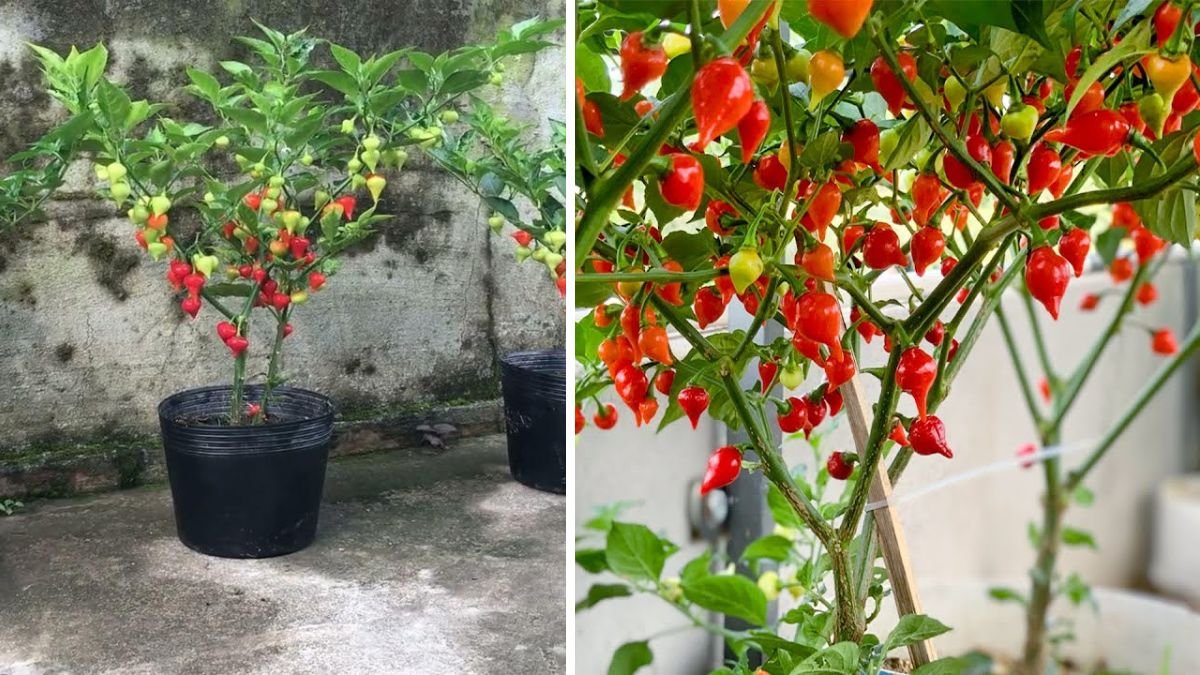
Growing peppers is more than just a culinary pursuit — it can be a visual delight as well. With the right techniques and varieties, you can grow beautiful heart-shaped peppers that not only taste great but also add ornamental charm to your garden. Heart-shaped peppers are particularly captivating because their unique shape makes them stand out among regular bell peppers or hot peppers, and they can be grown in both outdoor gardens and container setups.
The key to success is understanding how to cultivate these plants for maximum flower production, proper pollination, and optimal fruit development. Whether you are a beginner or an experienced gardener, this guide will help you grow peppers that are both aesthetically pleasing and highly productive.
What Are Heart-Shaped Peppers?
Heart-shaped peppers are specific varieties or cultivars bred for their ornamental fruit that resembles a heart. The most well-known ornamental variety is the Heartbreaker pepper, which produces small, colorful fruits that gradually change color as they ripen — often transitioning from green to yellow, orange, and finally red. These peppers are edible, though some ornamental varieties may be spicier or milder depending on the type.
Other varieties, such as certain sweet bell peppers or pimiento types, may naturally produce fruit with a rounded, heart-like shape. Some gardeners also achieve heart-shaped peppers by carefully pruning and supporting fruit as it grows. These peppers are visually striking and can become a focal point in your garden, balcony, or container arrangement.
Best Growing Conditions for Heart-Shaped Peppers
To achieve both beauty and productivity, heart-shaped peppers require specific conditions:
Latest Posts
- With Just 1 Bottle of Water How I Was Shocked by What Happened When Growing Vegetables
- Maximize Your Home Garden with the Hanging Pea Sprout Growing Model – Space-Saving, High-Yield, and Easy-to-Manage Vertical Gardening Solution
- Just Water – The Secret to Growing Plump, White Peanut Sprouts Right at Home: A Step-by-Step Guide for Beginners
- Growing Zucchini at Home in a Container: How to Cultivate Large, Long Fruits with a 1-to-72 Day Step-by-Step Diary for Maximum Yield
- Grow Long Beans on the Terrace in Used Recycling Baskets: The Ultimate Guide to Easy, Space-Saving, and High-Yield Terrace Gardening
- How to Grow Tons of Long Beans Easily Without a Garden – A Complete Guide to Growing Healthy Yardlong Beans Without Fertilizers or Pesticides
- Easy Long Bean Growing Trick – No Garden, No Fertilizer, No Pesticide
- Grow Bitter Melon in Bottles — Harvest So Big You Can’t Eat It All! The Ultimate Guide to Bottle Gardening for Maximum Yields
- Growing Garlic Made Easy: No Soil, Fast Results – The Ultimate Guide to Growing Fresh Garlic Indoors Without Traditional Soil
- Wall-Mounted Hydroponic Watermelon System: Grow Large, Juicy, and Delicious Watermelons at Home with Minimal Space and Maximum Yield
Full Sunlight
Peppers thrive in full sun, ideally 6–8 hours of direct sunlight daily. Adequate sunlight encourages strong stems, healthy foliage, and abundant flower formation — all essential for maximizing fruit production. Plants grown in shade or partial light may become leggy and produce fewer flowers.
Optimal Temperatures
Peppers are tropical plants, preferring temperatures between 70°F and 90°F (21–32°C). Temperatures outside this range can lead to flower drop or poor fruit set. Night temperatures below 55°F (13°C) can also stress the plants and reduce fruiting potential.
Soil and Watering
Heart-shaped peppers prefer well-draining soil rich in organic matter. Consistent watering is crucial — the soil should remain evenly moist but never soggy. Overwatering can lead to root rot, while under-watering may cause stress and blossom drop. Mulching around the base of the plant helps retain moisture and regulates soil temperature.
Fertilization
During vegetative growth, use a balanced fertilizer to encourage healthy leaves. When flowers appear, switch to a phosphorus-rich fertilizer to promote blooms and fruit set. Avoid excessive nitrogen during flowering, as it promotes foliage at the expense of flowers and fruit.
Promoting Flowers for Maximum Fruit Production
The abundance of flowers directly correlates to the potential number of peppers your plants can produce.
Adequate Nutrition
Ensure that your plants receive a steady supply of nutrients. Phosphorus and potassium are particularly important during flowering and fruiting stages. These nutrients help flowers develop into healthy, colorful fruit.
Pollination Techniques
Heart-shaped peppers are self-pollinating, but fruit set can be improved with external pollination. Outdoors, pollinators like bees handle this naturally. Indoors or in greenhouses, gently shaking plants or using a small brush to transfer pollen can significantly improve fruit yield.
Airflow
Good airflow encourages proper pollination and reduces the risk of fungal diseases. Space plants sufficiently and prune excess foliage to allow air to circulate freely. If growing indoors, a small fan can mimic natural wind and promote pollination.
Care Tips for Maximum Yield
Proper Support
Some heart-shaped pepper varieties can develop heavy fruit clusters that weigh down branches. Supporting plants with stakes or cages prevents branches from breaking and keeps fruit upright, improving both appearance and yield.
Consistent Watering
Water your peppers regularly and deeply, especially during hot weather. Inconsistent watering can stress plants, leading to flower drop and reduced fruit production. Mulching helps maintain soil moisture and protect roots.
Container Growing
Heart-shaped peppers adapt well to container gardening. Choose pots at least 12–14 inches deep to accommodate the root system. Ensure containers have adequate drainage and place them in locations receiving full sunlight. Indoor growers may supplement natural light with LED grow lights to maintain productivity.
Advanced Techniques for Bigger Harvests
For gardeners aiming for professional-level yields, consider small-scale hydroponics or substrate-based growing systems. Techniques like Deep Water Culture (DWC) or aeroponic setups can increase fruit production by providing oxygenated, nutrient-rich water directly to the roots. These systems reduce soil-borne pests and allow precise nutrient control, leading to healthier plants and more abundant peppers.
Common Challenges and Solutions
Blossom Drop
Peppers may drop flowers due to extreme temperatures, inconsistent watering, or nutrient imbalance. Maintaining moderate temperatures, regular irrigation, and proper fertilization minimizes this problem.
Poor Pollination
Low pollinator activity indoors or in greenhouses can result in poor fruit set. Hand-pollination or gentle shaking of plants encourages pollen transfer and improves fruit development.
Nutrient Imbalance
Too much nitrogen during flowering promotes leafy growth over fruit formation. Use fertilizers formulated for flowering plants or switch to a bloom booster once flowers appear.
Recommended Varieties for Heart-Shaped Peppers
- Heartbreaker Pepper: Ornamental variety known for small heart-shaped fruit and vibrant color transitions.
- Pimiento Peppers: Sweet, heart-like fruit ideal for culinary uses and fresh eating.
- Hinkelhatz Pepper: Some cultivars feature curvy, heart-resembling fruits perfect for ornamental displays.
Choosing the right variety ensures both visual appeal and productive fruiting. Combining ornamental beauty with edible value creates a dual-purpose plant that enhances your garden aesthetically and practically.
Expected Yield
Under optimal conditions, pepper plants can produce multiple fruits per plant. Sweet bell peppers typically yield 6–8 fruits per plant, while smaller hot or ornamental varieties may produce 10–15 fruits or more. Careful attention to pruning, fertilization, and pollination can increase the number of peppers per plant and improve overall quality.
Authoritative Sources for Further Reading
- Royal Horticultural Society — How to Grow Sweet Peppers: Step-by-step guide for sowing, planting, and maintaining peppers. (rhs.org.uk)
- Gardening Know How — Why Your Pepper Plant Isn’t Producing Fruit: Common causes and solutions for poor fruit set. (gardeningknowhow.com)
- PepperJoe.com — Pepper Fruiting 101: Tips for watering, light, and fertilizer management to boost fruit production. (pepperjoe.com)
- USU Extension — How to Grow Peppers in Your Garden: Advice for harvesting and maximizing yield. (extension.usu.edu)
Conclusion
Growing [FOCUS KEYWORD] combines the beauty of ornamental gardening with the satisfaction of abundant harvests. By providing optimal sunlight, temperature, water, nutrients, and pollination, you can cultivate heart-shaped peppers that are both visually stunning and highly productive.
Whether planted in traditional garden beds, containers, or indoor setups, these peppers can thrive with proper care. With the tips outlined above, you’ll enjoy a garden full of vibrant, heart-shaped peppers that delight the eye and the palate, season after season.