Introduction
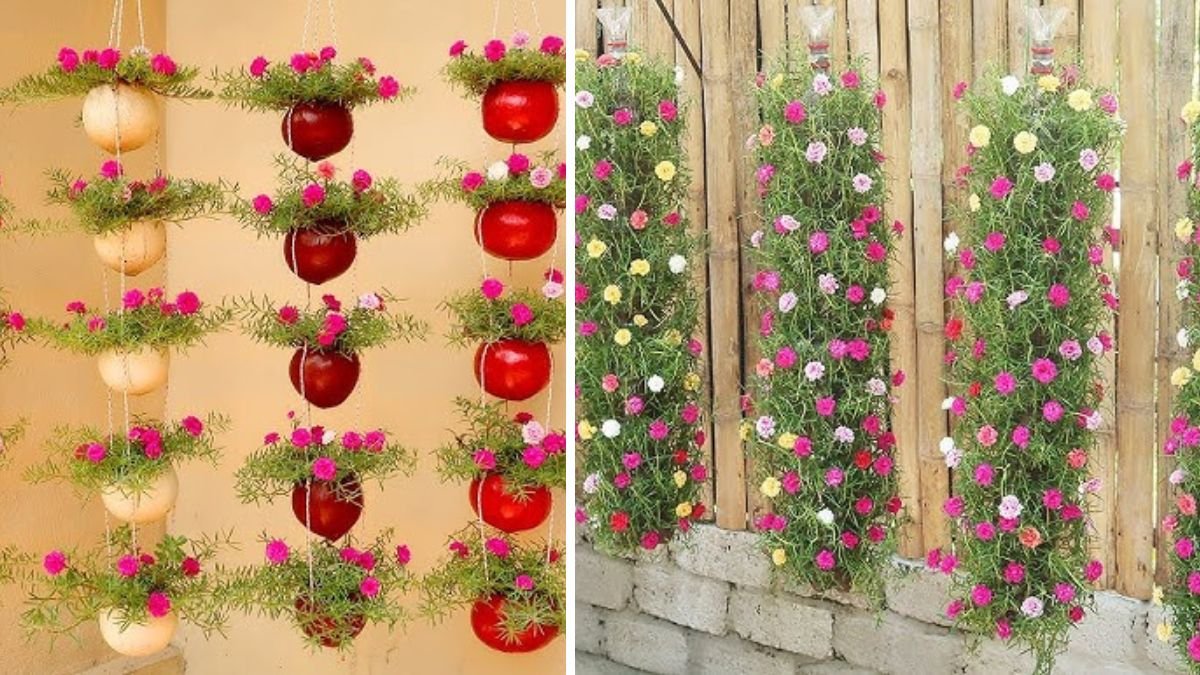
Small gardens, balconies, and compact outdoor spaces no longer limit your ability to enjoy lush, colorful flowers. One of the most practical and visually striking solutions today is an Amazing Moss Rose Hanging Garden, designed specifically for small garden areas. Moss Rose, botanically known as Portulaca grandiflora, is a sun-loving, drought-tolerant flowering plant that thrives in hanging containers and vertical arrangements.
With its bright blooms, trailing growth habit, and minimal care needs, Moss Rose has become a favorite among urban gardeners. Hanging gardens featuring Moss Rose are not only beautiful but also functional, allowing gardeners to maximize vertical space while adding vibrant color to walls, railings, and overhead structures. Whether you have a small balcony, terrace, or backyard corner, Moss Rose can transform it into a cheerful floral display.
Why Moss Rose Is Perfect for Hanging Gardens
Moss Rose stands out as an ideal plant for hanging gardens due to its natural growth characteristics and resilience. Unlike many flowering plants, it prefers direct sunlight and dry conditions, making it especially suitable for exposed balconies and outdoor walls.
The plant’s trailing stems spill gracefully over container edges, creating a cascading effect that enhances hanging baskets and vertical planters. Moss Rose blooms continuously during warm months, opening its flowers during daylight and closing them in the evening, adding a dynamic visual rhythm to your garden.
Another major advantage is its low maintenance requirement. Moss Rose does not demand frequent watering, heavy fertilization, or constant pruning. This makes it perfect for beginners, busy homeowners, and anyone looking for an attractive yet easy-to-manage hanging garden solution.
Latest Posts
- With Just 1 Bottle of Water How I Was Shocked by What Happened When Growing Vegetables
- Maximize Your Home Garden with the Hanging Pea Sprout Growing Model – Space-Saving, High-Yield, and Easy-to-Manage Vertical Gardening Solution
- Just Water – The Secret to Growing Plump, White Peanut Sprouts Right at Home: A Step-by-Step Guide for Beginners
- Growing Zucchini at Home in a Container: How to Cultivate Large, Long Fruits with a 1-to-72 Day Step-by-Step Diary for Maximum Yield
- Grow Long Beans on the Terrace in Used Recycling Baskets: The Ultimate Guide to Easy, Space-Saving, and High-Yield Terrace Gardening
- How to Grow Tons of Long Beans Easily Without a Garden – A Complete Guide to Growing Healthy Yardlong Beans Without Fertilizers or Pesticides
- Easy Long Bean Growing Trick – No Garden, No Fertilizer, No Pesticide
- Grow Bitter Melon in Bottles — Harvest So Big You Can’t Eat It All! The Ultimate Guide to Bottle Gardening for Maximum Yields
- Growing Garlic Made Easy: No Soil, Fast Results – The Ultimate Guide to Growing Fresh Garlic Indoors Without Traditional Soil
- Wall-Mounted Hydroponic Watermelon System: Grow Large, Juicy, and Delicious Watermelons at Home with Minimal Space and Maximum Yield
Benefits of an Amazing Moss Rose Hanging Garden
Creating a Moss Rose hanging garden offers several practical and aesthetic benefits, especially for small spaces:
Space Optimization
Hanging and vertical gardens utilize unused vertical areas, such as walls, railings, and ceilings, allowing you to grow more plants without sacrificing floor space.
Long-Lasting Color
Moss Rose blooms in vibrant shades of pink, red, yellow, orange, purple, and white, providing long-lasting color throughout the growing season.
Low Water Requirement
As a succulent-like plant, Moss Rose stores moisture in its leaves and stems, reducing watering needs and making it ideal for dry climates.
Budget-Friendly Gardening
Moss Rose grows easily from seeds or cuttings, and hanging gardens can be created using recycled containers, keeping costs low.
Pollinator Friendly
The flowers attract bees and butterflies, supporting local pollinators even in urban environments.
Best Hanging Garden Ideas Using Moss Rose
1. Hanging Basket Moss Rose Garden
Traditional hanging baskets are one of the simplest and most effective ways to showcase Moss Rose. When planted densely, the stems trail downward, creating a waterfall of colorful blooms. Hang baskets from balconies, pergolas, or ceiling hooks where they receive full sunlight.
2. Recycled Bottle Hanging Garden
For eco-conscious gardeners, recycled plastic bottles make excellent containers. Cut side openings, add drainage holes, fill with well-draining soil, and plant Moss Rose seedlings. Arrange the bottles vertically or in rows on a wall for a creative, sustainable hanging garden.
3. Vertical Wall Planters
Wall-mounted planters or pocket systems allow Moss Rose to grow outward and downward, forming a living floral wall. This method works beautifully on fences, exterior walls, or balcony partitions.
4. Balcony Railing Planters
Attach hanging or clamp-style planters to balcony railings and allow Moss Rose to cascade outward. This setup adds privacy, color, and charm without taking up walking space.
5. Tiered Hanging Displays
Use multiple hanging containers at different heights to create depth and dimension. Tiered displays are visually appealing and help maximize light exposure for all plants.
How to Create a Moss Rose Hanging Garden
Building an Amazing Moss Rose Hanging Garden is simple and does not require specialized tools.
Materials Needed
- Moss Rose seeds or young plants
- Hanging baskets, recycled bottles, or wall planters
- Well-draining soil mix (sandy or succulent mix)
- Hooks, ropes, or railing holders
- Watering can or spray bottle
Step-by-Step Guide
- Prepare Containers: Ensure proper drainage holes to prevent water accumulation.
- Add Soil: Fill containers with loose, well-draining soil.
- Plant Moss Rose: Space plants evenly to allow spreading and airflow.
- Hang Securely: Install hooks or supports in a sunny location.
- Water Lightly: Water after planting, then allow soil to dry between watering sessions.
- Maintain: Remove spent flowers occasionally to encourage new blooms.
Within a few weeks, the plants will establish and begin producing vibrant cascading flowers.

Moss Rose Care Tips for Hanging Gardens
While Moss Rose is easy to grow, a few care practices ensure maximum blooms and healthy growth.
Sunlight
Moss Rose requires at least 6–8 hours of direct sunlight daily. Insufficient light results in fewer flowers and weak growth.
Watering
Water only when the soil feels dry. Overwatering is the most common mistake and can lead to root rot.
Soil
Use sandy, fast-draining soil. Avoid heavy garden soil that retains moisture.
Fertilization
Apply a light, balanced fertilizer once during the growing season. Too much fertilizer encourages foliage over flowers.
Pruning
Trim leggy growth occasionally to maintain a compact, full appearance.
Best Moss Rose Varieties for Hanging Gardens
Several Moss Rose varieties perform exceptionally well in hanging and vertical gardens:
- Single-Flowered Varieties: Open, simple blooms that attract pollinators.
- Double-Flowered Varieties: Rose-like blooms that create a fuller, decorative look.
- Mixed Color Varieties: Perfect for creating vibrant, multicolored displays.
- Trailing Portulaca Types: Best for cascading hanging baskets and wall planters.
Mixing different colors and flower types adds visual interest and depth to your hanging garden.
Design Tips for Small Gardens
- Use light-colored containers to reflect heat in hot climates.
- Group multiple hanging planters to create a focal point.
- Combine Moss Rose with other succulents for texture contrast.
- Keep designs simple to avoid overcrowding small spaces.
- Rotate hanging containers occasionally for even sun exposure.
Thoughtful design ensures your hanging garden looks organized, lush, and intentional.
Why Moss Rose Hanging Gardens Are Trending
In recent years, urban gardening trends have shifted toward sustainability, low-maintenance plants, and creative use of vertical space. Moss Rose fits perfectly into this movement. Its resilience, affordability, and striking appearance make it a top choice for small garden transformations.
Homeowners and apartment dwellers increasingly favor hanging gardens because they improve aesthetics without structural changes. Moss Rose adds instant charm while aligning with eco-friendly gardening practices.
Authoritative Sources for Further Inspiration
- Gardening guides on Portulaca care and vertical gardening
- Sustainable gardening blogs focusing on recycled planters
- Urban balcony gardening resources
- Horticulture websites specializing in flowering succulents
These sources offer additional design ideas, plant care insights, and creative inspiration.
Conclusion
An Amazing Moss Rose Hanging Garden is one of the best ideas for enhancing a small garden. With minimal effort, low cost, and stunning results, Moss Rose allows gardeners to enjoy vibrant blooms in even the smallest spaces. Hanging baskets, recycled containers, and vertical walls all provide opportunities to showcase this hardy, cheerful plant.
Whether you are a beginner or an experienced gardener, Moss Rose offers beauty, simplicity, and versatility. By embracing hanging garden techniques, you can transform your small outdoor space into a colorful, blooming retreat that thrives all season long.