Introduction: The Red Peace Lily Confusion
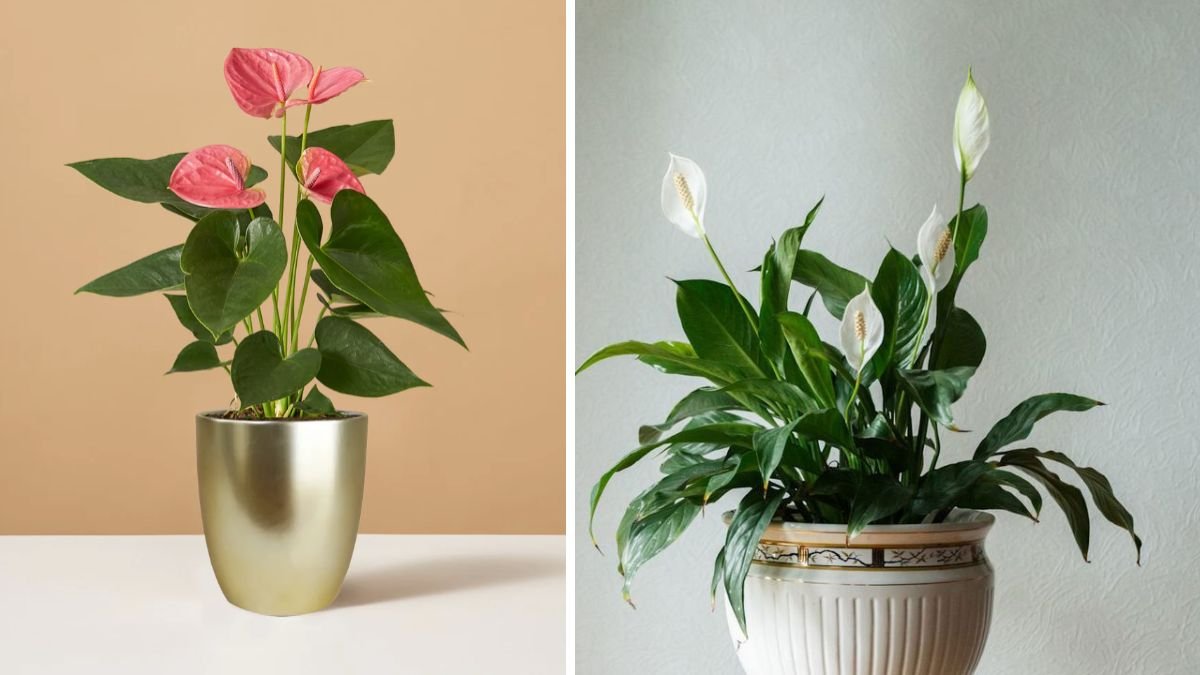
If you’ve ever purchased a “red peace lily,” you may have assumed it’s just a colorful variety of the classic peace lily (Spathiphyllum). However, chances are your plant is actually an Anthurium, a tropical houseplant often sold under the misleading nickname “red peace lily.”
This distinction isn’t just a matter of botanical accuracy — it affects how you care for the plant. Anthuriums and peace lilies have different watering, light, and humidity needs, and misidentifying your plant can lead to disappointing blooms or unhealthy foliage. Understanding the differences ensures your plant thrives, producing vibrant flowers and glossy leaves that last. (homefortheharvest.com)
What Is a Red Peace Lily?
The term “red peace lily” is a misnomer often applied to Anthuriums, particularly Anthurium andraeanum, also known as flamingo flower or laceleaf. These tropical plants produce bright red, pink, or orange spathes — the leaf-like structures surrounding the plant’s central spike, or spadix — that superficially resemble peace lily blooms.
In contrast, true peace lilies have white spathes only. While occasionally slightly tinted, peace lilies never display the bold reds seen in these so-called red peace lilies. This common confusion arises because both plants belong to the Araceae family, but they are different genera. (edis.ifas.ufl.edu)

Correct identification is crucial. Caring for an Anthurium as if it were a peace lily — or vice versa — can lead to overwatering, under-fertilization, or insufficient humidity, all of which affect the plant’s health and flowering potential.
Latest Posts
- With Just 1 Bottle of Water How I Was Shocked by What Happened When Growing Vegetables
- Maximize Your Home Garden with the Hanging Pea Sprout Growing Model – Space-Saving, High-Yield, and Easy-to-Manage Vertical Gardening Solution
- Just Water – The Secret to Growing Plump, White Peanut Sprouts Right at Home: A Step-by-Step Guide for Beginners
- Growing Zucchini at Home in a Container: How to Cultivate Large, Long Fruits with a 1-to-72 Day Step-by-Step Diary for Maximum Yield
- Grow Long Beans on the Terrace in Used Recycling Baskets: The Ultimate Guide to Easy, Space-Saving, and High-Yield Terrace Gardening
- How to Grow Tons of Long Beans Easily Without a Garden – A Complete Guide to Growing Healthy Yardlong Beans Without Fertilizers or Pesticides
- Easy Long Bean Growing Trick – No Garden, No Fertilizer, No Pesticide
- Grow Bitter Melon in Bottles — Harvest So Big You Can’t Eat It All! The Ultimate Guide to Bottle Gardening for Maximum Yields
- Growing Garlic Made Easy: No Soil, Fast Results – The Ultimate Guide to Growing Fresh Garlic Indoors Without Traditional Soil
- Wall-Mounted Hydroponic Watermelon System: Grow Large, Juicy, and Delicious Watermelons at Home with Minimal Space and Maximum Yield
Identifying Anthuriums vs. Peace Lilies
Flower Color and Structure
- Peace Lily: Produces white spathes that cradle a spadix. Flowers are delicate and soft.
- Anthurium: Produces red, pink, orange, or even green spathes with a waxy texture. Anthurium flowers are thicker, longer-lasting, and more tropical in appearance. (homesandgardens.com)
Leaf Shape and Texture
- Peace Lily: Leaves are longer, thinner, and matte.
- Anthurium: Leaves are heart-shaped, glossy, and firm, often giving the plant a more sculptural appearance. (gardening.alibaba.com)
Bloom Frequency
- Peace Lily: Blooms are typically seasonal, appearing in spring and fall.
- Anthurium: Blooms can appear year-round, though the plant may have pauses between flowering cycles. (trevallan.com)
Growth Habit
Anthuriums are generally more compact and upright, making them suitable for decorative indoor displays, while peace lilies can spread wider and tolerate lower light conditions.
Why Correct Identification Matters
Many indoor gardeners unknowingly treat Anthuriums as peace lilies. While the plants share some general care traits — like preferring bright, indirect light and tropical warmth — their specific water, light, and humidity requirements differ, which can lead to common problems such as:
- Browning leaf tips due to low humidity
- Root rot from overwatering
- Sparse flowering due to insufficient light or incorrect fertilization
Proper identification ensures that you provide the correct care, helping your plant maintain healthy foliage and produce abundant, long-lasting blooms. (houseplantalley.com)

Caring for Anthuriums (“Red Peace Lily”)
If your plant is an Anthurium, here’s how to optimize care:
Light
Anthuriums thrive in bright, indirect light. Too little light results in slow growth and reduced flowering, while direct sunlight can scorch leaves. Filtered sunlight through a sheer curtain is ideal.
Watering
Allow the top inch of soil to dry out between waterings. Overwatering can lead to root rot, while underwatering causes drooping leaves. A well-draining potting mix with added orchid bark or perlite helps maintain proper moisture. (houseplantalley.com)
Humidity
Anthuriums thrive in high humidity, ideally 60% or more. Use a pebble tray, group plants together, or use a humidifier in dry indoor environments. Regular misting can also help.

Temperature
Maintain warm indoor temperatures between 70–85°F (21–29°C) and avoid cold drafts. Sudden temperature drops can stress the plant and reduce flowering.
Fertilization
Feed Anthuriums with a bloom-promoting fertilizer during active growth, typically every 6–8 weeks. Avoid excessive nitrogen, which encourages leaf growth over flowering. (homesandgardens.com)
Bloom Maintenance
Remove spent flowers to encourage new blooms and maintain the plant’s aesthetic. Anthurium flowers are long-lasting, often persisting several weeks with proper care.
Caring for True Peace Lilies
If your plant is a peace lily, care is slightly different:

- Watering: Keep soil consistently moist, but allow the surface to dry slightly. Peace lilies are forgiving if occasional watering is missed.
- Light: Tolerate lower light better than Anthuriums. Ideal for offices or rooms with filtered sunlight.
- Humidity: Moderate indoor humidity is sufficient, though misting helps prevent brown leaf tips.
- Temperature: Peace lilies can tolerate slightly cooler temperatures than Anthuriums, making them more flexible for indoor conditions.
Quick Identification Checklist
| Feature | Peace Lily | Anthurium (“Red Peace Lily”) |
|---|---|---|
| Flower Color | White | Red, Pink, or Orange |
| Leaf Texture | Matte | Glossy |
| Bloom Frequency | Seasonal | Year-round (with breaks) |
| Care Needs | Consistent moisture | Slight drying between waterings; high humidity |
| Growth Habit | Spreads wider | Upright, compact |
Common Mistakes to Avoid
- Overwatering Anthuriums — unlike peace lilies, they don’t like constantly wet soil.
- Incorrect Light Exposure — low light reduces Anthurium blooms.
- Ignoring Humidity — Anthuriums often show leaf tip browning if air is too dry.
- Fertilizing Incorrectly — excess nitrogen can produce lush leaves but few flowers.
Correctly identifying your plant prevents these issues, ensuring both longevity and vibrant blooms.
Recommended Authoritative Sources
For further reading on identifying and caring for these plants:
- Peace Lily vs Anthurium: Key Differences – The Plant Aide
- Red Peace Lily (Anthurium) Profile – Home for the Harvest
- Flower Difference Guides – Alibaba Gardening
- Anthurium Care Tips – Homes & Gardens
These resources provide practical advice for plant care, identification tips, and troubleshooting.
Conclusion
While the “red peace lily” may seem like just a colorful variation of the classic peace lily, most of the time, it’s actually an Anthurium. Understanding this distinction is crucial for providing proper care, including light, watering, humidity, and fertilization.

By correctly identifying your plant, you can optimize its environment and enjoy healthy leaves and vibrant flowers year-round. Anthuriums are beautiful, long-lasting tropical plants, while peace lilies remain timeless indoor classics — knowing which you have ensures the right care, fewer mistakes, and a more rewarding plant experience.
Whether you’re a beginner or a seasoned indoor gardener, knowing the difference between peace lilies and Anthuriums transforms your approach to houseplant care, ensuring your home is full of lush, healthy foliage and bright, lasting blooms.