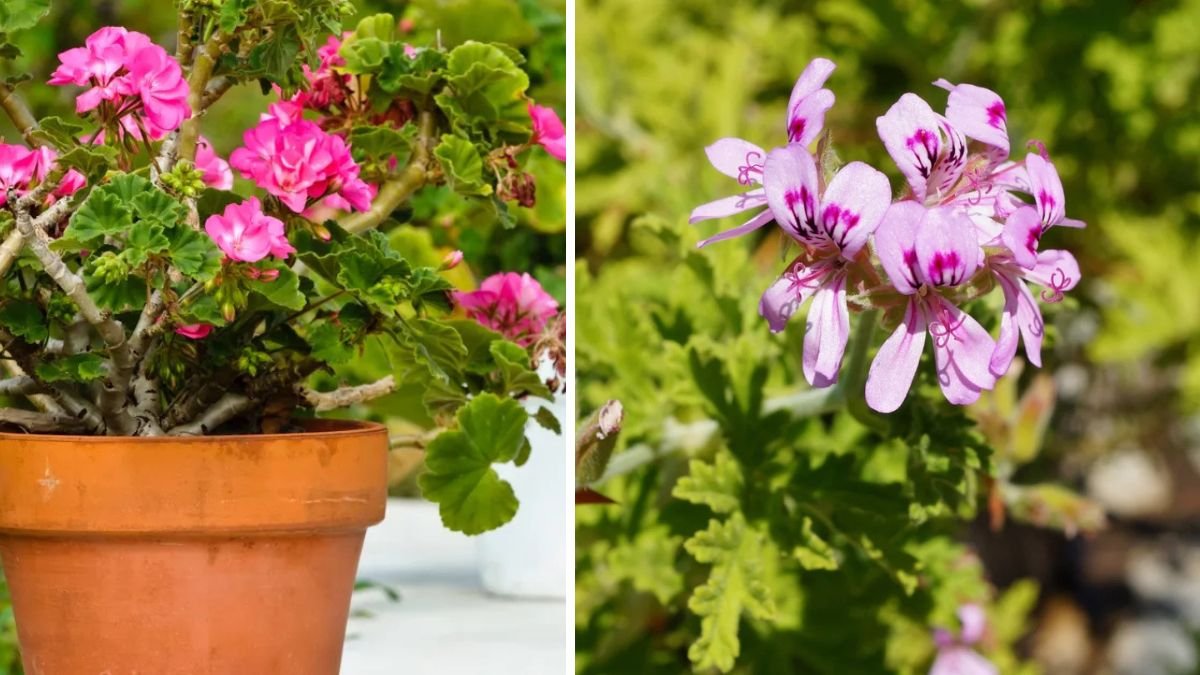
Geraniums are a staple in gardens, containers, and hanging baskets thanks to their long-lasting blooms and vibrant colors. While many gardeners treat them as annuals, geraniums (Pelargonium varieties) are actually tender perennials that can survive for years with the right winter care. Overwintering geraniums allows you to preserve healthy plants, enjoy earlier blooms in spring, and save money by avoiding yearly replacements. Understanding the best overwintering methods—and the benefits of doing so—can transform how you grow and enjoy these popular flowers.
What Does Overwintering Geraniums Mean?
Overwintering is the process of protecting plants during cold months so they survive until the next growing season. Since geraniums are sensitive to frost, gardeners in cooler climates must move them indoors or store them properly before temperatures drop. Overwintering can be done in several ways depending on space, light availability, and how actively you want the plants to grow during winter.
Common overwintering approaches include keeping geraniums as houseplants, storing them in a dormant state, or propagating new plants from cuttings. Each method has unique advantages and suits different gardening styles.
The Best Methods for Overwintering Geraniums
1. Overwintering Geraniums as Indoor Houseplants
One of the most popular and beginner-friendly methods is bringing geraniums indoors and growing them as houseplants.
To do this, move potted geraniums inside before the first frost. Choose a bright location near a sunny window or supplement with grow lights. Geraniums prefer cooler indoor temperatures, ideally between 50–60°F (10–15°C). Water sparingly, allowing the soil to dry slightly between waterings, and trim back leggy growth to keep plants compact.
Latest Posts
- With Just 1 Bottle of Water How I Was Shocked by What Happened When Growing Vegetables
- Maximize Your Home Garden with the Hanging Pea Sprout Growing Model – Space-Saving, High-Yield, and Easy-to-Manage Vertical Gardening Solution
- Just Water – The Secret to Growing Plump, White Peanut Sprouts Right at Home: A Step-by-Step Guide for Beginners
- Growing Zucchini at Home in a Container: How to Cultivate Large, Long Fruits with a 1-to-72 Day Step-by-Step Diary for Maximum Yield
- Grow Long Beans on the Terrace in Used Recycling Baskets: The Ultimate Guide to Easy, Space-Saving, and High-Yield Terrace Gardening
- How to Grow Tons of Long Beans Easily Without a Garden – A Complete Guide to Growing Healthy Yardlong Beans Without Fertilizers or Pesticides
- Easy Long Bean Growing Trick – No Garden, No Fertilizer, No Pesticide
- Grow Bitter Melon in Bottles — Harvest So Big You Can’t Eat It All! The Ultimate Guide to Bottle Gardening for Maximum Yields
- Growing Garlic Made Easy: No Soil, Fast Results – The Ultimate Guide to Growing Fresh Garlic Indoors Without Traditional Soil
- Wall-Mounted Hydroponic Watermelon System: Grow Large, Juicy, and Delicious Watermelons at Home with Minimal Space and Maximum Yield

This method keeps plants actively growing through winter, making it easy to transition them back outdoors in spring.
Benefits:
- Plants remain alive and photosynthesizing
- Minimal shock compared to dormant storage
- Early growth and blooms once daylight increases
2. Dormant Storage Method
Dormant storage is ideal for gardeners with limited indoor light or space. In this method, geraniums are stored in a resting state rather than actively growing.
Before frost, dig plants from the garden or remove them from containers. Shake off excess soil and cut stems back to about 6 inches. Most leaves should be removed. Store plants in a cool, dark, and dry area such as a basement or garage where temperatures stay just above freezing. Check plants monthly and lightly mist roots if they become excessively dry.
This method allows geraniums to conserve energy and regrow vigorously in spring.

Benefits:
- Requires very little space
- Low maintenance throughout winter
- Encourages strong regrowth in spring
3. Overwintering Geraniums Through Cuttings
Taking cuttings is an excellent option if you want to propagate new plants or don’t have room to store mature specimens.
Before frost, cut healthy stems 3–6 inches long. Remove lower leaves and plant cuttings in moist potting mix. Place them in bright, indirect light and water lightly. Once rooted, these cuttings can be grown indoors throughout winter and planted outdoors in spring.
This method is particularly useful for preserving rare or favorite varieties.
Benefits:

- Multiplies plants at no extra cost
- Requires minimal space
- Provides backup if mature plants fail
Why Overwintering Geraniums Is Worth It
Bigger and Healthier Blooms
Overwintered geraniums often outperform newly purchased plants. Established root systems and mature stems support stronger growth, resulting in fuller plants and larger, more abundant blooms once the growing season begins.
Significant Cost Savings
Replacing geraniums every spring can be expensive, especially for gardeners with multiple containers or flower beds. Overwintering eliminates the need to buy new plants each year, and taking cuttings can expand your collection for free.
Preserve Favorite or Rare Varieties
Many geranium varieties—especially scented or specialty types—can be hard to find. Overwintering ensures you don’t lose plants with sentimental or monetary value.
Earlier Start to the Growing Season
Geraniums that survive winter indoors begin growing as soon as days lengthen. This gives gardeners a head start, producing flowers weeks earlier than newly planted nursery stock.
Tips for Successful Geranium Overwintering
- Bring plants indoors before the first frost to avoid cold damage
- Reduce watering during winter, especially for dormant plants
- Inspect plants for pests before bringing them indoors
- Provide bright light and cool temperatures for actively growing plants
- Acclimate plants gradually when moving them outdoors in spring
Consistency is key—overwatering and excess heat are the most common causes of failure.
Common Mistakes to Avoid
- Overwatering: Leads to root rot and fungal issues
- Insufficient light: Causes weak, leggy growth
- Waiting too long: Frost damage can kill plants quickly
- Ignoring pests: Indoor infestations spread rapidly
Avoiding these mistakes dramatically increases overwintering success.
Background Context
Geraniums are native to warm climates and lack natural frost tolerance, which is why they struggle in winter outdoors. Historically, gardeners overwintered prized plants indoors long before modern greenhouses existed. Today, overwintering remains a sustainable gardening practice that reduces waste, saves money, and improves plant performance. As interest grows in eco-friendly gardening, overwintering geraniums is gaining renewed attention among home gardeners and professionals alike.
Suggested Authoritative Sources
For additional guidance and horticultural best practices, consider referencing these trusted sources:
- Chicago Botanic Garden – Overwintering geranium methods and plant care
- The Old Farmer’s Almanac – Seasonal overwintering advice
- Homes & Gardens – Indoor plant and winter care strategies
- Garden Lovers Club – Practical overwintering and container gardening tips
Conclusion
Overwintering geraniums is a rewarding gardening practice that delivers healthier plants, bigger blooms, and long-term savings. Whether you choose to keep them growing indoors, store them dormant, or propagate cuttings, each method offers reliable results when done correctly. By protecting geraniums from frost and providing appropriate winter care, you ensure a stronger, earlier, and more vibrant display in the following growing season. With the right approach, overwintering geraniums becomes an easy and valuable addition to your gardening routine—one that pays off year after year.