Introduction
If you grow plants indoors or outdoors, you’ve probably heard the terms pot and planter used interchangeably. However, gardening experts emphasize that understanding the difference can help you choose containers that support plant health, match your design style, and suit your space.
Both pots and planters hold soil and plants, but they vary in size, material, drainage, purpose, and overall design. Making the right choice ensures your plants thrive, reduces maintenance challenges, and enhances your home or garden’s aesthetic. In this guide, garden pros break down the distinctions and give tips for when to use a pot versus a planter.
Pot vs Planter — The Key Differences
1. Size and Purpose
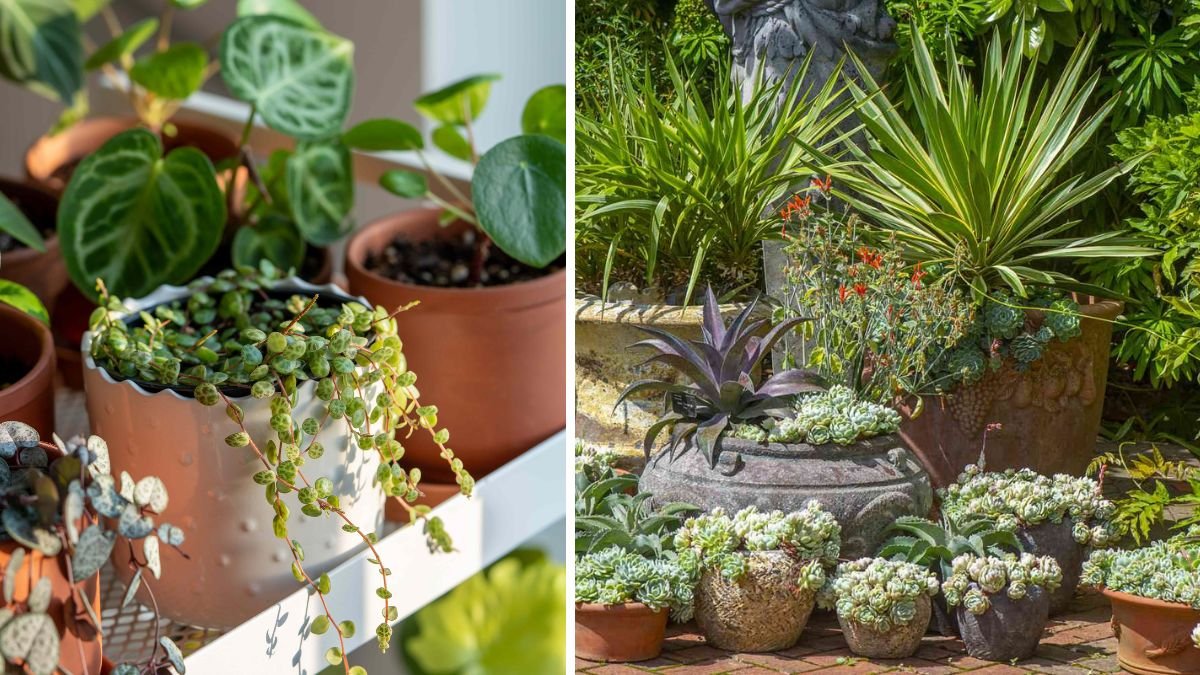
One of the simplest distinctions is size. Pots are typically smaller, ideal for individual plants such as houseplants, herbs, succulents, or seedlings. Planters, on the other hand, are usually larger and designed to accommodate multiple plants, shrubs, or small trees.
Experts recommend pots for functional use — they are portable and versatile, making them perfect for moving plants indoors during cold months or rearranging houseplants. Planters are often chosen for outdoor container gardens or when a coordinated display of multiple plants is desired.
2. Indoor vs Outdoor Use
While both containers can be used inside or outside, their common applications differ. Pots are most frequently used indoors for houseplants or decorative plantings. Planters tend to be larger and more durable, making them better suited for patios, decks, or garden landscapes.
Latest Posts
- With Just 1 Bottle of Water How I Was Shocked by What Happened When Growing Vegetables
- Maximize Your Home Garden with the Hanging Pea Sprout Growing Model – Space-Saving, High-Yield, and Easy-to-Manage Vertical Gardening Solution
- Just Water – The Secret to Growing Plump, White Peanut Sprouts Right at Home: A Step-by-Step Guide for Beginners
- Growing Zucchini at Home in a Container: How to Cultivate Large, Long Fruits with a 1-to-72 Day Step-by-Step Diary for Maximum Yield
- Grow Long Beans on the Terrace in Used Recycling Baskets: The Ultimate Guide to Easy, Space-Saving, and High-Yield Terrace Gardening
- How to Grow Tons of Long Beans Easily Without a Garden – A Complete Guide to Growing Healthy Yardlong Beans Without Fertilizers or Pesticides
- Easy Long Bean Growing Trick – No Garden, No Fertilizer, No Pesticide
- Grow Bitter Melon in Bottles — Harvest So Big You Can’t Eat It All! The Ultimate Guide to Bottle Gardening for Maximum Yields
- Growing Garlic Made Easy: No Soil, Fast Results – The Ultimate Guide to Growing Fresh Garlic Indoors Without Traditional Soil
- Wall-Mounted Hydroponic Watermelon System: Grow Large, Juicy, and Delicious Watermelons at Home with Minimal Space and Maximum Yield
Planters are often constructed from materials designed to withstand weather, such as heavy resin, stone, or wood, which makes them ideal for outdoor environments. Pots, especially terracotta or ceramic, are lighter and easier to move but may be more vulnerable to cracking outdoors in freezing conditions.
3. Material and Durability
Both pots and planters come in a variety of materials: clay, ceramic, plastic, fiberglass, metal, wood, concrete, and resin. However, the intended use influences material choice:
- Pots: Lightweight options like plastic or terracotta are common. They are breathable and portable but can crack if exposed to frost.
- Planters: Typically sturdier, often made of stone, resin, metal, or thick wood, and built to withstand outdoor conditions over longer periods.
The material not only affects durability but also aesthetic appeal, water retention, and insulation for plant roots.
4. Shape and Style
Traditionally, pots are round or cylindrical and designed for a single plant. Planters often come in rectangular, square, or trough shapes, suitable for multiple plantings and coordinated displays.
However, modern design has blurred the lines. Oversized pots can resemble planters, and some planters are shaped like pots, so the distinction is often about context and function rather than shape alone.
5. Drainage Considerations
Drainage is one of the most important factors in container gardening. Without proper drainage, plant roots can rot and soil can stay overly wet.
- Pots generally have multiple drainage holes, allowing water to escape and preventing soggy roots.
- Planters may or may not include drainage holes. Decorative planters without holes require careful watering or the use of a nursery pot inside the planter to protect roots.
Garden pros recommend checking drainage before planting, adding a layer of stones or gravel if needed, and using drip trays to catch excess water indoors.
When to Choose a Pot
Choose a pot if you are:
- Growing a single plant or houseplant.
- Wanting a lightweight, portable container.
- Starting seeds, seedlings, or young plants.
- Planning to move plants seasonally or indoors during cold months.
Pots are versatile, functional, and suitable for indoor or outdoor use, depending on the material.
When to Choose a Planter
Choose a planter if you are:
- Planting multiple species together for a coordinated display.
- Creating a container garden for patios, terraces, or outdoor spaces.
- Growing plants that need more soil volume or room for roots.
- Wanting a decorative focal point that enhances your garden or indoor design.
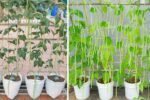
Planters are excellent for grouped plantings, allowing gardeners to manage watering and care for plants with similar light and soil requirements.
Materials and Aesthetics
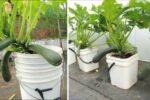
Both pots and planters can enhance style and décor. Material selection depends on your plants’ needs and desired look:
- Terracotta pots: Classic and breathable, perfect for many houseplants, but can dry out soil quickly.
- Glazed ceramic pots: Decorative, moisture-retaining, ideal for humid-loving plants, but less durable outdoors.
- Fiberglass, resin, or metal planters: Durable and weather-resistant, ideal for outdoor use or modern aesthetics.
- Wood or stone planters: Natural look, sturdy, and great for landscaping or large container gardens.
Matching material, color, and size to your design goals can enhance both your plant’s health and visual impact.
Additional Practical Tips
- Repotting: Upgrade containers when plants become rootbound or outgrow the current pot or planter. Moving to a container slightly larger than the current one ensures healthy growth.
- Empty Excess Water: If a planter lacks drainage, remove standing water to prevent root rot.
- Light and Placement: Ensure plants are placed according to their light needs — both pots and planters should be positioned for adequate sunlight.
- Seasonal Considerations: Lightweight pots may need to be moved indoors or protected during frost, whereas durable planters can remain outdoors year-round.
Expert Recommendations
For in-depth advice, consult:
- The Spruce: Expert guidance on pots vs. planters, plant care, and indoor container gardening. (thespruce.com)
- Root & Vessel: Comprehensive guides on container gardening, materials, and design ideas. (rootandvessel.com)
- Green Ship Garden US: Tips for durable planters and outdoor container styling. (greenshipgardenus.com)
These sources provide reliable, practical advice for both beginner and experienced gardeners.
Conclusion
Choosing between a pot and a planter goes beyond terminology. Your decision affects plant health, maintenance, and overall design. Pots are perfect for single plants, portability, and indoor use, while planters excel at multiple plantings, outdoor displays, and decorative impact.
By considering size, material, drainage, and intended use, you can select the best container to support your plants and match your design vision. Whether you’re building a patio garden, styling an indoor corner, or nurturing houseplants, the right container ensures healthy plants and beautiful spaces all year round.