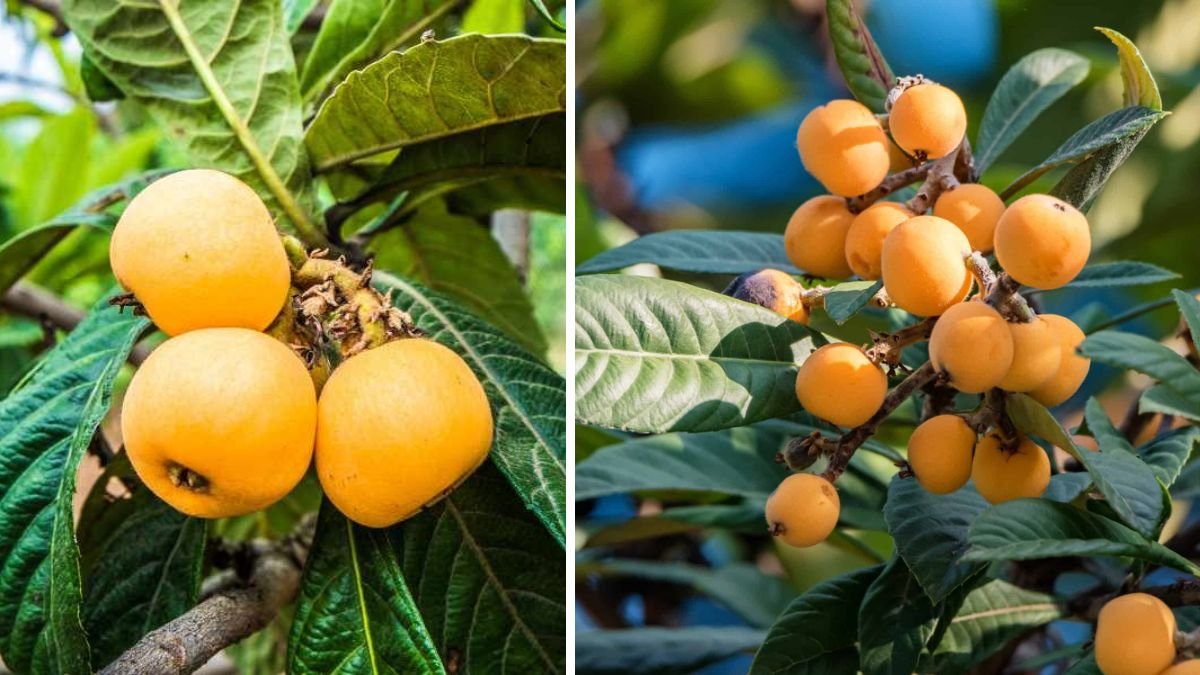
Loquat trees (Eriobotrya japonica) are prized for their evergreen foliage, ornamental appeal, and delicious clusters of golden, sweet-tart fruits. While loquats are relatively low-maintenance compared to many fruit trees, proper pruning is essential if you want a healthy tree and a consistently heavy harvest. Knowing how and when to prune a loquat tree can dramatically improve fruit size, sweetness, and overall yield.
Many gardeners hesitate to prune loquat trees for fear of reducing fruit production. In reality, thoughtful pruning encourages stronger branches, better airflow, improved sunlight penetration, and more productive fruiting wood. This guide explains the best time to prune, step-by-step pruning techniques, and common mistakes to avoid, helping you grow a productive loquat tree year after year.
Understanding How Loquat Trees Grow and Fruit
Before pruning, it’s important to understand how loquat trees produce fruit. Loquats bloom in fall or early winter and develop fruit that ripens from late winter to early spring. The fruit forms on second-year wood, meaning branches that grew the previous growing season are responsible for the next crop.
Because of this growth pattern, pruning must be carefully timed. Cutting too aggressively or at the wrong time can remove flowering wood and reduce your harvest. Strategic pruning, however, balances vegetative growth with fruit production and keeps the tree manageable in size.
Why Pruning Is Essential for a Bumper Harvest
Pruning offers several critical benefits that directly impact fruit quality and quantity:
Latest Posts
- With Just 1 Bottle of Water How I Was Shocked by What Happened When Growing Vegetables
- Maximize Your Home Garden with the Hanging Pea Sprout Growing Model – Space-Saving, High-Yield, and Easy-to-Manage Vertical Gardening Solution
- Just Water – The Secret to Growing Plump, White Peanut Sprouts Right at Home: A Step-by-Step Guide for Beginners
- Growing Zucchini at Home in a Container: How to Cultivate Large, Long Fruits with a 1-to-72 Day Step-by-Step Diary for Maximum Yield
- Grow Long Beans on the Terrace in Used Recycling Baskets: The Ultimate Guide to Easy, Space-Saving, and High-Yield Terrace Gardening
- How to Grow Tons of Long Beans Easily Without a Garden – A Complete Guide to Growing Healthy Yardlong Beans Without Fertilizers or Pesticides
- Easy Long Bean Growing Trick – No Garden, No Fertilizer, No Pesticide
- Grow Bitter Melon in Bottles — Harvest So Big You Can’t Eat It All! The Ultimate Guide to Bottle Gardening for Maximum Yields
- Growing Garlic Made Easy: No Soil, Fast Results – The Ultimate Guide to Growing Fresh Garlic Indoors Without Traditional Soil
- Wall-Mounted Hydroponic Watermelon System: Grow Large, Juicy, and Delicious Watermelons at Home with Minimal Space and Maximum Yield

- Improves sunlight exposure, allowing flowers and fruits to develop evenly
- Enhances airflow, reducing the risk of fungal diseases
- Directs energy toward productive branches rather than excess foliage
- Controls tree size, making harvesting safer and easier
- Strengthens branch structure, preventing breakage under heavy fruit loads
Without pruning, loquat trees can become dense and overgrown, leading to smaller fruits, uneven ripening, and increased disease pressure.
When to Prune a Loquat Tree
Best Time: Late Winter to Early Spring
The ideal time to prune a loquat tree is late winter to early spring, shortly after harvesting is complete and before vigorous new growth begins. This timing allows the tree to recover quickly and directs energy into strong new shoots that will become next season’s fruiting wood.
In most climates, this window falls between February and April, depending on local temperatures and frost risk. Pruning during this period minimizes stress and avoids cutting off developing flower buds.
Light Summer Pruning (Optional)
Light maintenance pruning can be done in summer to remove water sprouts, damaged branches, or minor crossing growth. However, avoid heavy pruning during summer, as it encourages excessive vegetative growth instead of fruiting and can expose branches to sunburn.
When Not to Prune
Avoid pruning in late fall or early winter before flowering. Cutting during this time can remove buds that would otherwise produce fruit, resulting in a poor harvest.

Tools You’ll Need Before You Start
Using clean, sharp tools is essential for healthy cuts and disease prevention. Prepare the following:
- Bypass pruning shears for small branches
- Loppers for medium branches
- A pruning saw for large limbs
- Gloves and eye protection
- Rubbing alcohol or diluted bleach to sanitize tools
Always disinfect tools between cuts, especially if removing diseased wood.
How to Prune a Loquat Tree Step by Step
1. Remove Dead, Diseased, or Damaged Wood
Start by cutting away any dead, broken, or diseased branches. These parts drain energy from the tree and can harbor pests or pathogens. Make clean cuts back to healthy wood or the branch collar.
2. Thin the Canopy for Light and Air
Dense canopies reduce fruit quality. Remove branches that grow inward, cross over others, or crowd the center of the tree. Aim for an open structure that allows sunlight to reach all parts of the canopy.
3. Avoid Topping the Tree
Never “top” a loquat tree by cutting straight across the upper canopy. This leads to weak, upright shoots called water sprouts that rarely produce fruit and shade productive branches.
4. Reduce Height Carefully
If your tree is too tall, reduce height gradually by cutting main branches back to outward-facing lateral branches. This keeps growth balanced and prevents excessive stress. Never remove more than 20–25% of the canopy in one season.
5. Encourage Productive Branching
Shorten overly long shoots by about one-third, cutting just above an outward-facing bud. This stimulates lateral branching, which becomes future fruiting wood.
Common Pruning Mistakes to Avoid
Even experienced gardeners can reduce harvests by making these mistakes:
- Over-pruning, which shocks the tree and reduces fruit production
- Pruning at the wrong time, especially during flower development
- Leaving stubs, which invite disease and pests
- Ignoring canopy structure, resulting in poor airflow and shading
Pruning should always be intentional, gradual, and based on the tree’s natural growth habit.
After-Pruning Care for Maximum Results
Proper care after pruning helps your loquat tree recover and prepare for fruiting:

- Water deeply if conditions are dry, but avoid waterlogging
- Apply a balanced fertilizer in early spring to support new growth
- Mulch around the base to retain moisture and suppress weeds
- Monitor for pests or disease while new growth emerges
Healthy post-pruning care ensures vigorous shoots that will become next season’s fruiting branches.
Harvest Tips for Sweeter Loquats
A well-pruned loquat tree rewards you with larger, sweeter fruit. Harvest loquats when they turn a uniform yellow to orange color and detach easily with a gentle twist. Fruits left to fully ripen on the tree are noticeably sweeter and more flavorful.
Because pruning improves sunlight exposure, fruits mature more evenly and develop better sugar content, making the effort worthwhile.
Suggested Authoritative Sources
For further guidance and advanced techniques, consult these trusted resources:
- Homes & Gardens – Loquat tree pruning and care guides
- GrowShrubb – Seasonal loquat growing and maintenance tips
- Taim.io – Fruit tree pruning strategies for home growers
- Gardening Know How – Loquat tree cultivation and pruning basics
Final Thoughts
Learning how and when to prune a loquat tree is one of the most powerful steps you can take to ensure a bumper harvest of sweet, juicy fruits. By pruning at the right time, shaping the canopy thoughtfully, and avoiding common mistakes, you help your tree focus its energy where it matters most—fruit production.

With patience, sharp tools, and a seasonal approach, pruning becomes a rewarding practice that leads to healthier trees, easier harvesting, and consistently better loquat crops year after year.