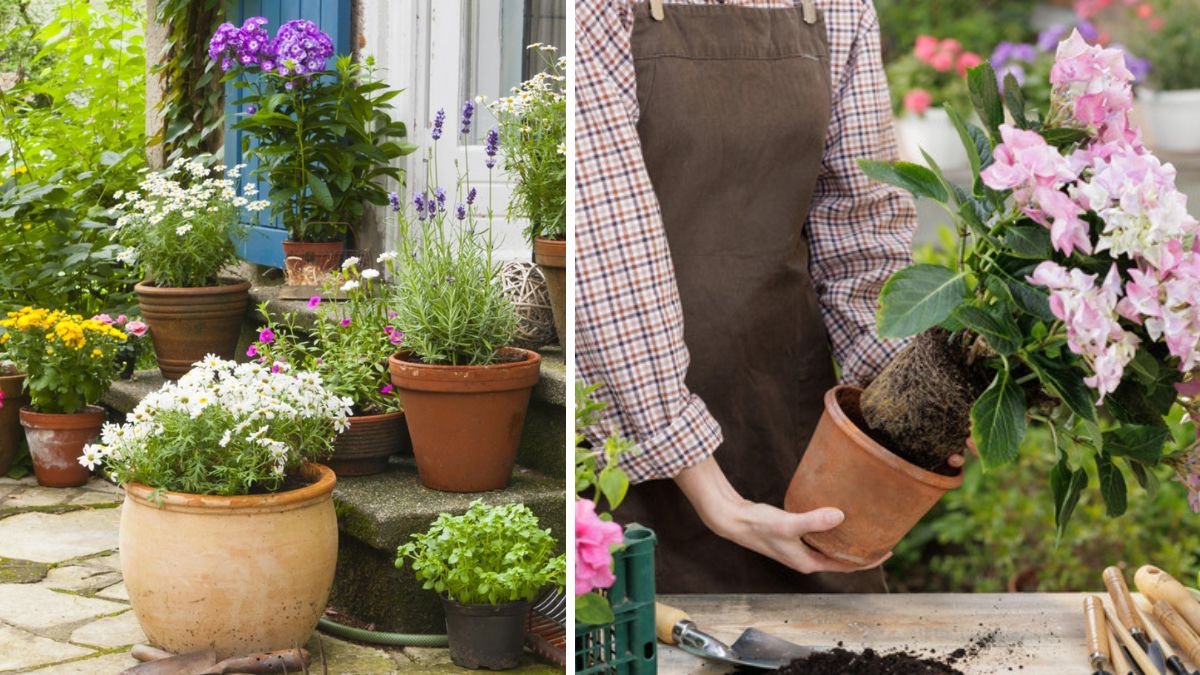
Repotting outdoor plants may not get as much attention as pruning or fertilizing, but it plays a critical role in keeping plants healthy, vigorous, and productive. Whether you’re growing flowering perennials, shrubs, young trees, or container vegetables, knowing when to repot can make the difference between a plant that thrives and one that struggles.
Gardening experts agree that timing is just as important as technique. Repotting at the wrong time can stress roots, slow growth, or even lead to plant failure, while repotting at the right moment encourages strong root development and improved performance throughout the growing season. This guide explains the best time to repot outdoor plants, how to recognize the signs, and how to do it correctly for optimal growth.
Why Repotting Outdoor Plants Matters
Plants grown in containers rely entirely on the soil and space provided to them. Over time, roots fill the pot, nutrients become depleted, and drainage can suffer.
Repotting helps by:
- Providing fresh, nutrient-rich soil
- Giving roots room to expand
- Improving water absorption and drainage
- Preventing root-bound stress
- Supporting healthier foliage, flowers, and fruit
Experts note that even hardy outdoor plants can stall or decline if they remain in undersized containers for too long.
Latest Posts
- With Just 1 Bottle of Water How I Was Shocked by What Happened When Growing Vegetables
- Maximize Your Home Garden with the Hanging Pea Sprout Growing Model – Space-Saving, High-Yield, and Easy-to-Manage Vertical Gardening Solution
- Just Water – The Secret to Growing Plump, White Peanut Sprouts Right at Home: A Step-by-Step Guide for Beginners
- Growing Zucchini at Home in a Container: How to Cultivate Large, Long Fruits with a 1-to-72 Day Step-by-Step Diary for Maximum Yield
- Grow Long Beans on the Terrace in Used Recycling Baskets: The Ultimate Guide to Easy, Space-Saving, and High-Yield Terrace Gardening
- How to Grow Tons of Long Beans Easily Without a Garden – A Complete Guide to Growing Healthy Yardlong Beans Without Fertilizers or Pesticides
- Easy Long Bean Growing Trick – No Garden, No Fertilizer, No Pesticide
- Grow Bitter Melon in Bottles — Harvest So Big You Can’t Eat It All! The Ultimate Guide to Bottle Gardening for Maximum Yields
- Growing Garlic Made Easy: No Soil, Fast Results – The Ultimate Guide to Growing Fresh Garlic Indoors Without Traditional Soil
- Wall-Mounted Hydroponic Watermelon System: Grow Large, Juicy, and Delicious Watermelons at Home with Minimal Space and Maximum Yield
The Best Time of Year to Repot Outdoor Plants
Early Spring: The Ideal Window
For most outdoor plants, early spring is the best time to repot. This is when plants are waking from dormancy and preparing for a surge of new growth.
Why spring works best:

- Roots recover quickly as growth resumes
- Plants have an entire season to reestablish
- Stress is minimized before hot summer weather
- New soil supports fresh shoots and leaves
Experts recommend repotting just as buds begin to swell but before active flowering or leaf expansion begins.
Fall: A Secondary Option
Early fall can also be suitable for repotting certain outdoor plants, especially perennials and shrubs.
When fall repotting works well:
- Mild temperatures reduce stress
- Soil remains warm, encouraging root growth
- Plants focus energy on root development rather than foliage
However, experts caution against repotting too late in the fall, as roots need time to settle before frost arrives.
Summer: Generally Not Recommended
Summer repotting is risky due to heat stress and increased water demands.
Potential problems include:
- Wilting and dehydration
- Shock to exposed roots
- Reduced flowering or fruiting
Experts suggest repotting in summer only if absolutely necessary, such as when a plant is severely root-bound or waterlogged.

Winter: Avoid When Possible
Most outdoor plants are dormant in winter, making repotting difficult and stressful.
- Cold soil slows root recovery
- Increased risk of frost damage
- Limited energy for regrowth
Exceptions may include frost-free climates or container plants kept in protected areas.
Signs Your Outdoor Plant Needs Repotting
Timing is important, but plants also provide clues when they need more space.
Common signs include:
- Roots growing out of drainage holes
- Water running straight through the pot
- Slowed or stunted growth
- Yellowing leaves despite proper care
- Soil pulling away from the edges of the container
Experts advise checking root systems annually, especially for fast-growing plants.
Choosing the Right Pot Size
One of the most common repotting mistakes is choosing a pot that’s too large.
Expert guidelines:

- Increase pot size by 1–2 inches in diameter for small plants
- Increase by 2–4 inches for larger plants
- Ensure the pot has adequate drainage holes
Oversized pots can hold excess moisture, leading to root rot and poor growth.
Soil Selection Matters
Fresh soil is a major benefit of repotting, but using the wrong mix can undo your efforts.
- Use high-quality potting mix designed for outdoor or container plants
- Avoid garden soil, which compacts easily
- Add compost for nutrients
- Use perlite or sand to improve drainage when needed
Experts recommend matching the soil type to the plant’s natural preferences.
Step-by-Step Guide to Repotting Outdoor Plants
- Water the plant lightly the day before repotting
- Gently remove the plant from its current container
- Inspect the roots, trimming dead or circling roots
- Place fresh soil in the new container
- Position the plant at the same depth as before
- Fill in with soil, pressing lightly
- Water thoroughly to settle the soil
Experts stress the importance of gentle handling to avoid unnecessary root damage.
Aftercare for Optimal Growth
Proper aftercare helps plants recover quickly.
- Place the plant in partial shade for a few days
- Water consistently but avoid overwatering
- Hold off on fertilizing for 2–4 weeks
- Watch for signs of stress or wilting
This recovery period allows roots to establish before facing full sun or harsh weather.
Special Considerations for Different Plant Types
Flowering plants:
Repot before bud formation to avoid losing blooms.

Shrubs and small trees:
Repot early in spring or fall and provide extra water during establishment.
Vegetables and herbs:
Repot before they become root-bound to ensure steady production.
Succulents:
Choose warm, dry days and use fast-draining soil.
Common Repotting Mistakes to Avoid
- Repotting too often
- Using containers without drainage
- Disturbing roots excessively
- Fertilizing immediately after repotting
- Repotting during extreme heat or cold
Experts emphasize that patience and timing matter more than frequent intervention.
Benefits of Repotting at the Right Time
When repotted correctly, outdoor plants reward gardeners with:
- Faster growth
- Stronger root systems
- Improved flowering and fruiting
- Greater resistance to stress and disease
Repotting at the right time supports long-term plant health and overall garden success.
Final Thoughts
The best time to repot outdoor plants is typically early spring, with early fall as a secondary option depending on climate and plant type. Paying attention to seasonal timing, plant signals, and proper technique ensures minimal stress and maximum growth.

By choosing the right moment, using appropriate soil and containers, and providing gentle aftercare, gardeners can give their outdoor plants the fresh start they need to thrive. Repotting may seem like a simple task, but when done thoughtfully, it becomes one of the most powerful tools for achieving strong, healthy, and productive plants year after year.