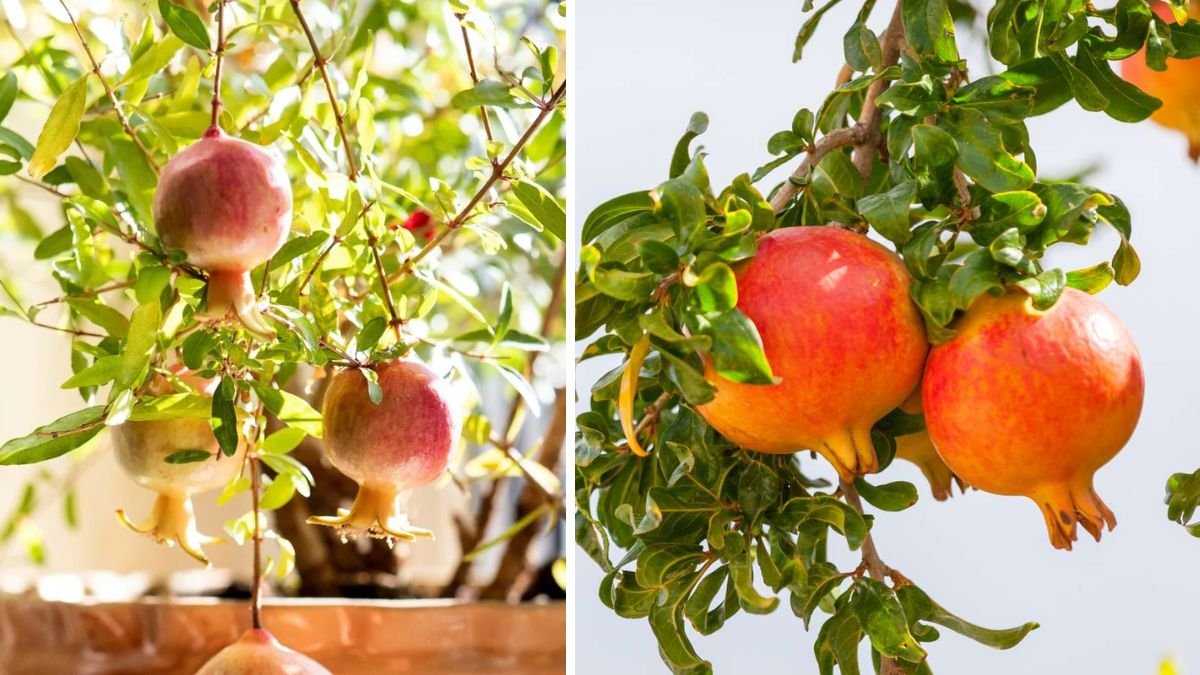
Pomegranates are celebrated for their jewel-like fruits, striking flowers, and ornamental appeal. While traditionally grown outdoors in warm climates, modern indoor gardening techniques allow enthusiasts to cultivate pomegranate trees inside their homes. With the right care, you can enjoy lush foliage, beautiful blooms, and even small fruits year-round.
Experts in indoor horticulture emphasize that understanding a pomegranate’s natural needs—sunlight, soil, water, and pruning—is essential to thriving indoor growth. This guide covers everything you need to know to grow a healthy, productive pomegranate tree indoors.
Understanding Pomegranate Trees
Native to the Mediterranean region and parts of Asia, pomegranates (Punica granatum) are deciduous shrubs or small trees that typically grow 10–12 feet tall outdoors. Key characteristics include:
- Glossy green leaves: They remain vibrant for most of the year.
- Bright red flowers: These emerge in spring or summer, adding ornamental value.
- Round, edible fruits: Fruit ripens in 5–7 months and can be harvested once fully colored.
Indoors, pomegranate trees remain smaller, usually reaching 3–6 feet when pruned, which makes them perfect for container gardening.
Choosing the Right Variety
Selecting the right variety is crucial for indoor success:
Latest Posts
- With Just 1 Bottle of Water How I Was Shocked by What Happened When Growing Vegetables
- Maximize Your Home Garden with the Hanging Pea Sprout Growing Model – Space-Saving, High-Yield, and Easy-to-Manage Vertical Gardening Solution
- Just Water – The Secret to Growing Plump, White Peanut Sprouts Right at Home: A Step-by-Step Guide for Beginners
- Growing Zucchini at Home in a Container: How to Cultivate Large, Long Fruits with a 1-to-72 Day Step-by-Step Diary for Maximum Yield
- Grow Long Beans on the Terrace in Used Recycling Baskets: The Ultimate Guide to Easy, Space-Saving, and High-Yield Terrace Gardening
- How to Grow Tons of Long Beans Easily Without a Garden – A Complete Guide to Growing Healthy Yardlong Beans Without Fertilizers or Pesticides
- Easy Long Bean Growing Trick – No Garden, No Fertilizer, No Pesticide
- Grow Bitter Melon in Bottles — Harvest So Big You Can’t Eat It All! The Ultimate Guide to Bottle Gardening for Maximum Yields
- Growing Garlic Made Easy: No Soil, Fast Results – The Ultimate Guide to Growing Fresh Garlic Indoors Without Traditional Soil
- Wall-Mounted Hydroponic Watermelon System: Grow Large, Juicy, and Delicious Watermelons at Home with Minimal Space and Maximum Yield

- Dwarf varieties: ‘Parfianka’ and ‘Nana’ are ideal for pots. They produce smaller fruit but adapt well to container growth.
- Self-pollinating types: Some varieties don’t require cross-pollination, making fruiting easier indoors.
- Ornamental types: Even if fruit is limited, varieties like ‘Nana’ provide beautiful flowers and compact growth.
Experts recommend dwarf, self-pollinating cultivars for beginners attempting indoor pomegranate cultivation.
Selecting the Right Container
The container influences root health and overall growth:
- Size: Start with a 12–16 inch pot and upgrade gradually. Pomegranates like slightly snug roots but need enough room to grow.
- Material: Terracotta or ceramic pots allow airflow and help regulate moisture, while plastic containers retain more water.
- Drainage: Ensure the pot has drainage holes to prevent waterlogging, which can lead to root rot.
A well-chosen container sets the stage for long-term indoor growth and fruit production.
Choosing Soil and Potting Mix
Pomegranates need well-draining soil to thrive indoors:
- Recommended mix: A combination of cactus or succulent potting soil with perlite or sand improves drainage.
- pH preference: Slightly acidic to neutral soil (pH 5.5–7.0) is optimal.
- Amendments: Incorporate organic matter such as compost for added nutrients, but avoid heavy garden soil, which can retain too much water.
Experts emphasize that proper soil prevents root disease, supports growth, and encourages flowering.

Light Requirements
Pomegranates need bright light to thrive and produce flowers:
- Sunlight: Place near a south- or west-facing window for at least 6 hours of direct light daily.
- Supplemental lighting: If natural light is insufficient, use a full-spectrum grow light for 8–10 hours per day.
- Rotation: Rotate the pot every few weeks to ensure even growth and prevent leaning.
Adequate light is the most critical factor for indoor pomegranate flowering and fruiting.
Watering and Humidity
Watering indoor pomegranates correctly ensures healthy growth:
- Frequency: Water deeply but allow the top 1–2 inches of soil to dry out between waterings.
- Avoid overwatering: Pomegranate roots are prone to rot if water sits in the soil.
- Humidity: Pomegranates tolerate average indoor humidity but benefit from occasional misting during dry winters.
Experts recommend consistent, moderate watering to encourage strong root systems and reduce stress.
Fertilizing Your Indoor Pomegranate
Indoor pomegranate trees require regular feeding for growth and flowering:

- Type of fertilizer: Use a balanced, slow-release fertilizer with micronutrients during the growing season.
- Frequency: Fertilize every 4–6 weeks from spring through summer. Reduce feeding in fall and winter when growth slows.
- Phosphorus: Supports flowering and fruit development.
Proper nutrition is key to maintaining lush foliage and encouraging long-lasting blooms.
Pruning and Training
Pruning helps maintain size and shape indoors:
- Initial shaping: Train the tree with 3–5 main branches and remove inward-growing shoots.
- Annual pruning: Trim dead or weak branches and shape the canopy after fruiting.
- Flower buds: Avoid excessive pruning of flowering spurs, which produce blooms.
Experts note that pomegranates respond well to pruning, which encourages bushier growth and more flowers.
Encouraging Blooms and Fruit Indoors
Flowering and fruiting indoors can be achieved with proper care:
- Light: Ensure maximum exposure to bright light.
- Temperature: Maintain daytime temperatures of 65–85°F and slightly cooler nights (55–60°F) to mimic natural conditions.
- Pollination: Indoor trees may need hand pollination using a small brush to transfer pollen between flowers.
- Patience: Fruit production can take 2–3 years for young plants, especially dwarfs.
Experts emphasize that consistent care and patience are critical for successful indoor flowering and fruiting.
Common Problems and Solutions
- Leaf drop: Often caused by sudden temperature changes, overwatering, or low light.
- Yellowing leaves: May indicate nutrient deficiency or waterlogged soil.
- Flower or fruit drop: Stress from inconsistent watering, insufficient light, or lack of pollination.
- Pests: Aphids, mealybugs, and spider mites can infest pomegranates; treat promptly with insecticidal soap or neem oil.
Regular monitoring and prompt intervention keep your indoor pomegranate healthy.
Seasonal Care Tips
- Spring/Summer: Fertilize, water regularly, and encourage flowering.
- Fall: Reduce watering and feeding slightly; prepare for dormancy.
- Winter: Minimal water, cooler temperatures, and indoor placement away from drafts.
Adjusting care with the seasons mimics the pomegranate’s natural cycle and supports healthy growth.
Benefits of Growing Pomegranates Indoors
- Ornamental value: Glossy leaves and bright red flowers brighten indoor spaces.
- Edible fruit: Enjoy fresh, homegrown pomegranates year-round with proper care.
- Air purification: Pomegranates, like many houseplants, help improve indoor air quality.
- Compact growth: Dwarf varieties remain manageable indoors while providing visual interest.
Experts highlight that indoor pomegranates combine aesthetic beauty with edible rewards, making them a versatile choice for plant lovers.
Final Thoughts
Growing a pomegranate tree indoors is a rewarding endeavor that combines ornamental beauty with the potential for edible fruit. Experts agree that success relies on providing bright light, well-draining soil, careful watering, appropriate fertilization, and strategic pruning. Hand pollination and patience are often necessary to achieve flowers and fruit indoors.
With the right care, even beginner indoor gardeners can cultivate a healthy, thriving pomegranate tree that produces lush foliage and long-lasting blooms. By understanding its natural requirements and avoiding common mistakes, your indoor pomegranate can become a centerpiece in your home, offering both beauty and bounty for years to come.