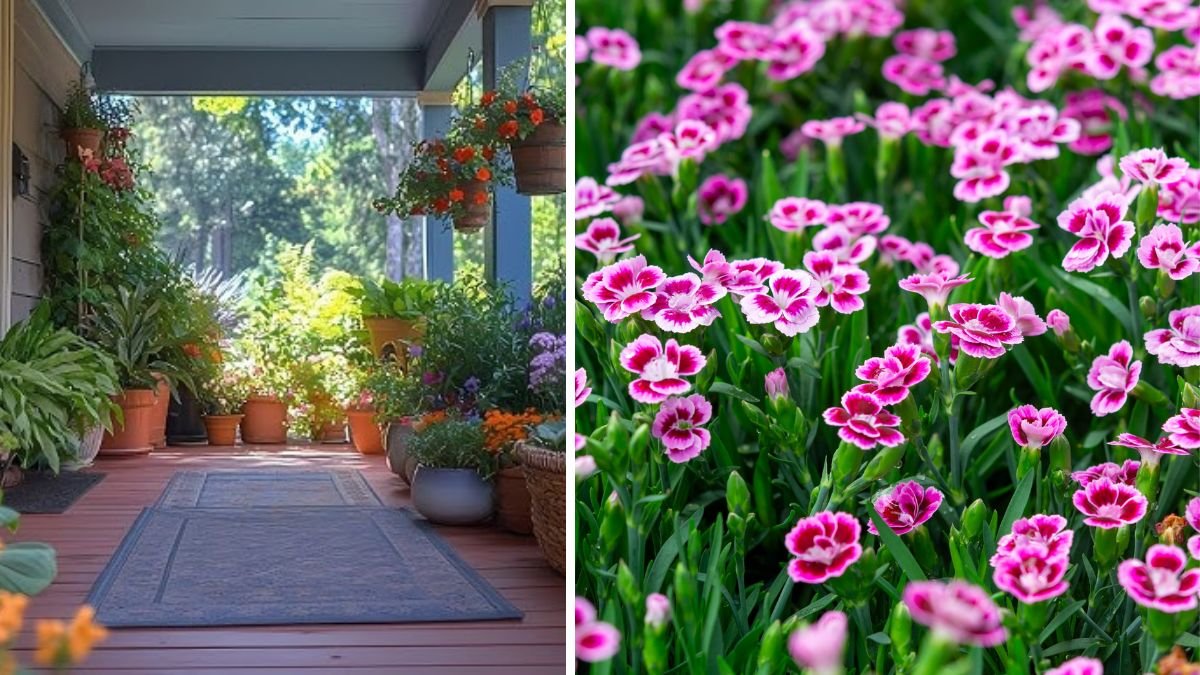
The charm of a classic farmhouse garden lies in its effortless beauty—colorful blooms, informal arrangements, and a touch of nostalgia. Unlike modern minimalist designs, a farmhouse garden is lush, welcoming, and full of life. The right flowers play a key role in achieving this look, blending practicality with visual appeal.
Experts in horticulture say that the secret to a farmhouse garden is combining traditional flowers, layered plantings, and natural textures to create a garden that feels both curated and casual. This guide highlights the best flowers and planting strategies to bring timeless farmhouse charm to any outdoor space.
Choosing the Right Flowers for a Farmhouse Garden
A farmhouse garden often features perennials, annuals, and herbs that create a colorful, layered effect. Experts recommend selecting flowers based on their ability to bloom reliably, attract pollinators, and complement one another in form and color.
Some classic farmhouse flowers include:

- Lavender: Its silvery foliage and fragrant purple flowers add a soothing scent and rustic look.
- Shasta daisies: Bright white petals with yellow centers evoke timeless simplicity.
- Roses: Particularly old-fashioned or cottage varieties, they offer romantic charm and fragrance.
- Coneflowers (Echinacea): Hardy perennials with vibrant pink or purple blooms that attract pollinators.
- Foxgloves: Tall, bell-shaped blooms add vertical interest and a touch of whimsy.
- Peonies: Lush, fragrant blooms that convey abundance and classic elegance.
- Snapdragons: Offer bright vertical spikes and variety in colors, perfect for borders or mixed beds.
Experts note that mixing different heights, bloom times, and textures ensures a garden that is visually dynamic throughout the growing season.
Latest Posts
- With Just 1 Bottle of Water How I Was Shocked by What Happened When Growing Vegetables
- Maximize Your Home Garden with the Hanging Pea Sprout Growing Model – Space-Saving, High-Yield, and Easy-to-Manage Vertical Gardening Solution
- Just Water – The Secret to Growing Plump, White Peanut Sprouts Right at Home: A Step-by-Step Guide for Beginners
- Growing Zucchini at Home in a Container: How to Cultivate Large, Long Fruits with a 1-to-72 Day Step-by-Step Diary for Maximum Yield
- Grow Long Beans on the Terrace in Used Recycling Baskets: The Ultimate Guide to Easy, Space-Saving, and High-Yield Terrace Gardening
- How to Grow Tons of Long Beans Easily Without a Garden – A Complete Guide to Growing Healthy Yardlong Beans Without Fertilizers or Pesticides
- Easy Long Bean Growing Trick – No Garden, No Fertilizer, No Pesticide
- Grow Bitter Melon in Bottles — Harvest So Big You Can’t Eat It All! The Ultimate Guide to Bottle Gardening for Maximum Yields
- Growing Garlic Made Easy: No Soil, Fast Results – The Ultimate Guide to Growing Fresh Garlic Indoors Without Traditional Soil
- Wall-Mounted Hydroponic Watermelon System: Grow Large, Juicy, and Delicious Watermelons at Home with Minimal Space and Maximum Yield
Planning the Layout
Farmhouse gardens are informal, but strategic planning ensures a harmonious look:
- Layering: Place taller plants like foxgloves or delphiniums at the back of borders and shorter plants like daisies or herbs in front.
- Clusters and drifts: Plant flowers in groups of three or more to mimic natural meadows.
- Paths and focal points: Include pathways, garden benches, or rustic containers to create visual interest and accessibility.
Experts emphasize that a balance of structure and informality is key. Even casual arrangements benefit from thoughtful spacing and repetition of plant colors and shapes.
Seasonal Considerations
A farmhouse garden is at its best when something is always in bloom. Choosing flowers that bloom at different times ensures a vibrant garden year-round:

- Spring: Tulips, daffodils, peonies, and primroses provide early color.
- Summer: Lavender, roses, coneflowers, and snapdragons take center stage.
- Fall: Asters, chrysanthemums, and ornamental grasses extend beauty into autumn.
- Winter: Evergreen shrubs or holly provide structure and greenery when flowers are dormant.
Experts suggest planting bulbs and perennials that return year after year to reduce maintenance and maintain the farmhouse look.
Color Palette for Farmhouse Charm
Farmhouse gardens often rely on soft, natural colors rather than bold, modern contrasts:
- Whites and creams: Shasta daisies, hydrangeas, and peonies.
- Soft pastels: Foxgloves, snapdragons, and delphiniums.
- Muted purples and blues: Lavender, salvia, and catmint.
- Accents of warm colors: Coral or deep pink roses, coneflowers, and zinnias.
Experts recommend choosing a cohesive color palette to maintain the classic, timeless feel without overwhelming the senses.
Incorporating Herbs and Edible Plants
A hallmark of farmhouse gardens is the integration of edible plants and herbs with flowers:

- Herbs: Rosemary, thyme, sage, and basil provide fragrance, texture, and practical culinary use.
- Edible blooms: Nasturtiums and borage add color while being edible.
- Vegetables: Tomatoes, lettuces, and peppers can blend seamlessly among flowering beds.
Experts note that combining ornamental and edible plants enhances the natural, functional feel of a farmhouse garden while offering fresh ingredients year-round.
Containers and Rustic Accents
Farmhouse charm often comes from informal structures and accents:
- Containers: Weathered wooden boxes, terracotta pots, or galvanized metal buckets complement flower beds and can hold herbs or seasonal blooms.
- Paths and borders: Gravel paths, stone edging, or simple wooden fences enhance the rustic feel.
- Decorative touches: Mason jars, vintage watering cans, and trellises add character without overpowering the flowers.
Experts emphasize that the right containers and accents create layers and interest, making the garden feel cozy and inviting.
Maintenance Tips
Even a naturalistic farmhouse garden benefits from care:

- Pruning: Remove spent flowers to encourage rebloom and maintain neatness.
- Deadheading: Regular deadheading of perennials like daisies and coneflowers prolongs flowering season.
- Watering: Mulch around plants to retain moisture, reduce weeds, and maintain soil temperature.
- Pest management: Encourage beneficial insects like ladybugs and lacewings instead of relying heavily on pesticides.
Experts recommend seasonal clean-up and observation to ensure the garden remains vibrant and healthy without losing its natural, informal charm.
Common Mistakes to Avoid
- Overly formal design: Too much symmetry or uniformity can undermine the relaxed farmhouse style.
- Ignoring bloom times: Planting everything to bloom at the same time can leave gaps later in the season.
- Neglecting soil health: Poor soil can stunt growth and reduce flowering.
- Overcrowding: While cottage gardens are lush, overcrowding can lead to disease or pest problems.
By keeping these considerations in mind, gardeners can achieve a full, balanced, and visually appealing space that embodies the farmhouse aesthetic.
Benefits of a Farmhouse Garden
- Visual appeal: Soft colors and layered planting create an inviting, timeless look.
- Pollinator-friendly: Flowers like lavender, coneflowers, and snapdragons attract bees and butterflies.
- Functional beauty: Integrating herbs and vegetables blends practicality with aesthetics.
- Stress relief: Natural, informal gardens provide relaxation and a connection to nature.
Experts highlight that farmhouse gardens provide both beauty and utility, making them one of the most rewarding garden styles for any outdoor space.
Final Thoughts
Creating a farmhouse-inspired garden is about blending classic flowers, functional plants, and rustic accents to achieve effortless charm. Experts emphasize selecting the right flowers for season-long color, layering plants by height, and mixing in herbs or edibles for practicality.

By avoiding overly formal layouts, overcrowding, and ignoring bloom times, gardeners can enjoy a lush, inviting space reminiscent of traditional farmsteads. With careful planning and consistent care, your farmhouse garden can become a timeless retreat full of vibrant flowers, fragrant herbs, and welcoming charm throughout the year.