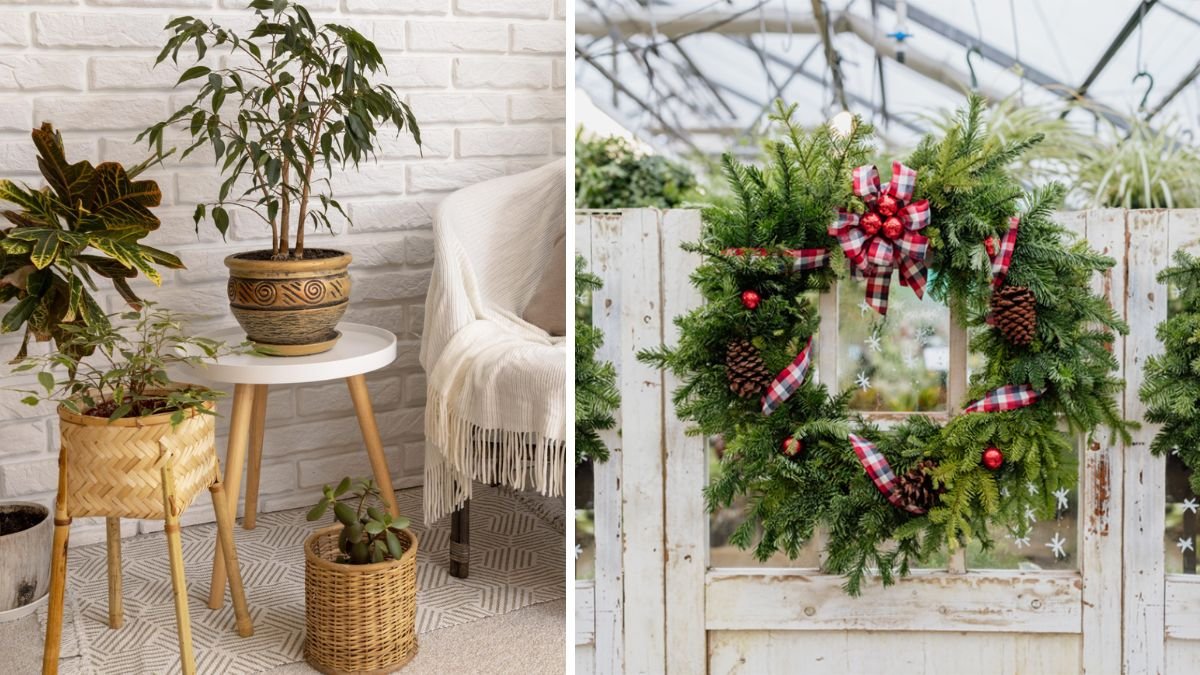
Winter brings a unique charm to the home, but the season’s short days and bare landscapes can leave interiors feeling stark. One of the most beautiful ways to bring warmth, color, and life indoors during the colder months is by decorating with natural greenery. From evergreen branches to fresh herbs and pinecones, natural elements can transform your home into a cozy, vibrant retreat that celebrates the season without relying on artificial decor.
Experts in interior design and horticulture agree that using greenery not only enhances aesthetics but also improves air quality, creates a calming atmosphere, and connects the home to nature during the winter months. This guide explores ideas, techniques, and tips for decorating your home naturally for winter.
Why Choose Natural Greenery for Winter Decor?
Natural greenery offers multiple benefits that synthetic decorations often can’t match:
- Visual appeal: Evergreen branches, holly, pine, and eucalyptus bring rich textures and shades of green that brighten rooms.
- Fragrance: Fresh greenery releases subtle scents—like pine or cedar—that evoke the essence of winter forests.
- Sustainability: Using seasonal plants, clippings, and foraged materials reduces waste and reliance on artificial decorations.
- Mood enhancement: Exposure to natural elements indoors can boost well-being and reduce seasonal stress.
Experts emphasize that incorporating natural elements is a simple, eco-friendly way to refresh your home while staying connected to the outdoors.

Choosing the Right Greenery
Selecting greenery that thrives indoors or holds up well in arrangements is key:
Latest Posts
- With Just 1 Bottle of Water How I Was Shocked by What Happened When Growing Vegetables
- Maximize Your Home Garden with the Hanging Pea Sprout Growing Model – Space-Saving, High-Yield, and Easy-to-Manage Vertical Gardening Solution
- Just Water – The Secret to Growing Plump, White Peanut Sprouts Right at Home: A Step-by-Step Guide for Beginners
- Growing Zucchini at Home in a Container: How to Cultivate Large, Long Fruits with a 1-to-72 Day Step-by-Step Diary for Maximum Yield
- Grow Long Beans on the Terrace in Used Recycling Baskets: The Ultimate Guide to Easy, Space-Saving, and High-Yield Terrace Gardening
- How to Grow Tons of Long Beans Easily Without a Garden – A Complete Guide to Growing Healthy Yardlong Beans Without Fertilizers or Pesticides
- Easy Long Bean Growing Trick – No Garden, No Fertilizer, No Pesticide
- Grow Bitter Melon in Bottles — Harvest So Big You Can’t Eat It All! The Ultimate Guide to Bottle Gardening for Maximum Yields
- Growing Garlic Made Easy: No Soil, Fast Results – The Ultimate Guide to Growing Fresh Garlic Indoors Without Traditional Soil
- Wall-Mounted Hydroponic Watermelon System: Grow Large, Juicy, and Delicious Watermelons at Home with Minimal Space and Maximum Yield
- Evergreens: Pine, fir, and spruce branches are classic choices for wreaths, garlands, and table centerpieces.
- Holly and ivy: Bright red berries and trailing vines add color and texture.
- Eucalyptus: Adds a silvery hue, subtle scent, and works well in modern and rustic designs.
- Boxwood and laurel: Provide structured, dense foliage ideal for topiaries or arrangements.
- Herbs: Rosemary, thyme, and sage double as fragrant decor and fresh kitchen ingredients.
Experts suggest mixing textures, colors, and plant types to create dynamic, visually interesting displays.
Decorating Techniques
There are many ways to use greenery to enhance your home during winter:
1. Wreaths and Garlands
- Wreaths: Hang wreaths on doors, walls, or above fireplaces. Use a base of evergreen branches, then add accents like pinecones, dried flowers, or berries.
- Garlands: Drape garlands along stair railings, mantels, or window sills. Combine mixed greenery for a natural, layered look.
Experts note that layering different textures—soft pine needles, glossy holly, and delicate eucalyptus—adds depth and visual interest.

2. Table and Mantel Arrangements
- Use a shallow tray or wooden box to create a centerpiece with evergreen clippings, pinecones, and candles.
- Add seasonal touches like dried oranges, cinnamon sticks, or small branches for warmth.
- Experts recommend keeping arrangements low and wide on tables to avoid obstructing sightlines during meals or gatherings.
3. Hanging Decor
- Bundle greenery into small bundles and hang from hooks, doorknobs, or curtain rods.
- Suspend eucalyptus or pine bundles upside-down to dry naturally and release fragrance.
- Experts highlight that vertical arrangements draw the eye upward and create a sense of height and dimension indoors.
4. Potted Indoor Plants
- Incorporate potted evergreens, like mini spruce, juniper, or cypress trees, for lasting greenery indoors.
- Herbs such as rosemary or sage work as both decor and functional plants in kitchens or dining areas.
- Experts advise choosing small varieties for tabletops and larger varieties for corners or entryways.
Maintaining Freshness
To keep natural greenery looking vibrant throughout the season:
- Watering: Mist branches lightly with water every few days to prevent drying, especially for indoor arrangements.
- Temperature: Avoid placing greenery near heat sources like radiators or vents, which dry out foliage quickly.
- Longevity: Evergreen clippings can last 2–3 weeks if properly cared for, while potted plants can thrive all winter with proper light and water.
- Preservation: For longer-lasting displays, use a mixture of water and floral preservative in vases, or consider drying certain elements like eucalyptus or bay leaves.
Experts stress that minimal maintenance—regular misting and avoiding heat—keeps natural decor fresh and fragrant.
Adding Seasonal Accents
Enhancing greenery with natural accents creates a festive, winter-ready atmosphere:
- Pinecones: Add texture and rustic charm; dust lightly with faux snow or leave natural.
- Dried flowers: Include hydrangeas, roses, or berries for subtle pops of color.
- Branches: Curly willow, birch, or dogwood branches add height and structural interest.
- Fruit: Citrus slices, cranberries, or small apples bring seasonal color and a natural aroma.
Experts recommend keeping accents subtle and cohesive, complementing the greenery rather than overwhelming it.

Sustainability Tips
Decorating naturally doesn’t have to impact the environment negatively:
- Foraging responsibly: Collect fallen branches or clippings from local parks or your own yard rather than cutting living trees.
- Composting: After the season, compost old clippings and plant material.
- Reusable bases: Use wire wreath frames or wooden trays that can be reused year after year.
- Avoid chemicals: Skip sprays or glitter that are harmful to plants and the environment.
Experts emphasize that sustainable decorating practices make winter greenery both beautiful and eco-friendly.
Common Mistakes to Avoid
- Overcrowding arrangements: Too much greenery can look messy and block light or air circulation.
- Placing near heat sources: Radiators, fireplaces, or heating vents can dry out greenery quickly.
- Ignoring fragrance intensity: Some plants, like eucalyptus or pine, can be overpowering in small spaces—balance with milder greens.
- Neglecting care: Even cut branches need occasional misting or water to maintain freshness.
By avoiding these mistakes, homeowners can maintain vibrant and fragrant winter greenery throughout the season.
Benefits of Decorating with Natural Greenery
- Aesthetic warmth: Greenery adds color, texture, and life to indoor spaces during winter.
- Fragrance: Aromatic plants create a welcoming, seasonal atmosphere.
- Connection to nature: Bringing elements indoors reduces winter isolation and supports mental well-being.
- Versatility: Greenery can be used in wreaths, garlands, centerpieces, or potted displays, fitting any interior style.
Experts highlight that the combination of beauty, scent, and wellness makes natural winter greenery an unmatched decor choice.

Final Thoughts
Decorating your home with natural greenery is a timeless, eco-friendly way to bring warmth, life, and winter charm indoors. Experts recommend combining evergreen branches, potted plants, herbs, and seasonal accents for layered, fragrant, and visually appealing displays.
By choosing the right plants, arranging them thoughtfully, and maintaining them with minimal care, you can enjoy a fresh, inviting home throughout the winter months. Natural greenery celebrates the season in a way that’s both beautiful and sustainable—creating a cozy retreat that welcomes family, friends, and the comforts of the colder season.