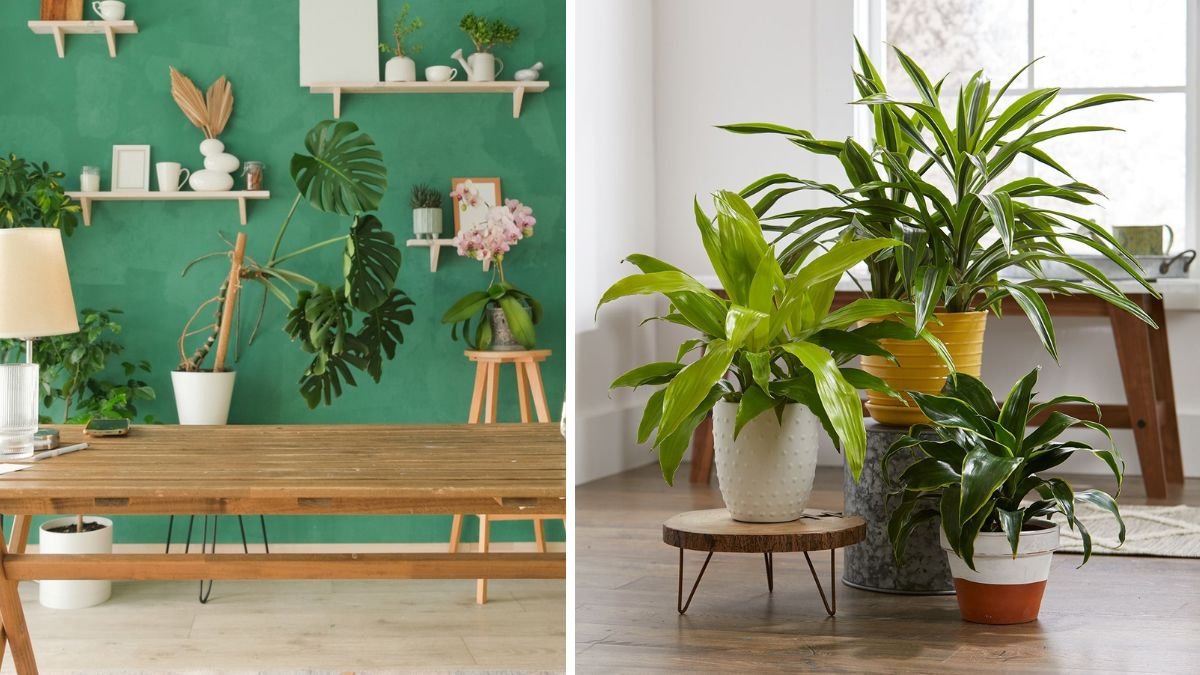
For many houseplant enthusiasts, repotting can be one of the trickiest and most time-consuming aspects of plant care. Overpotting or frequent repotting can stress plants, while underpotting can stunt their growth. Luckily, there are indoor plants that are forgiving when it comes to container life. Experts reveal that certain varieties grow slowly, tolerate tight spaces, and thrive without frequent root disturbance, making them ideal for busy plant lovers or those who prefer low-maintenance greenery.
This guide highlights 15 indoor plants you’ll rarely have to repot, along with tips to keep them thriving year after year.
Why Some Plants Don’t Need Frequent Repotting
Plants that require minimal repotting typically share a few characteristics:
- Slow growth rate: Slower-growing plants fill pots gradually, reducing the need for larger containers.
- Compact root systems: Plants with roots that remain contained or don’t aggressively seek space are easier to leave alone.
- Tolerance to confinement: Certain species adapt well to restricted conditions, maintaining health even in smaller pots.
- Resilient care habits: Plants that don’t mind occasional dryness or lower nutrients are perfect for low-maintenance care.
Experts emphasize that selecting plants suited to your lifestyle can dramatically reduce maintenance while still keeping your indoor garden lush and attractive.
1. Snake Plant (Sansevieria trifasciata)
- Growth rate: Very slow
- Care: Tolerates low light, infrequent watering, and minimal soil changes.
- Expert tip: Repot only when roots start to emerge from the soil surface or pot drainage holes.
Snake plants are known for their resilience and architectural leaves, making them popular in offices and homes.
Latest Posts
- With Just 1 Bottle of Water How I Was Shocked by What Happened When Growing Vegetables
- Maximize Your Home Garden with the Hanging Pea Sprout Growing Model – Space-Saving, High-Yield, and Easy-to-Manage Vertical Gardening Solution
- Just Water – The Secret to Growing Plump, White Peanut Sprouts Right at Home: A Step-by-Step Guide for Beginners
- Growing Zucchini at Home in a Container: How to Cultivate Large, Long Fruits with a 1-to-72 Day Step-by-Step Diary for Maximum Yield
- Grow Long Beans on the Terrace in Used Recycling Baskets: The Ultimate Guide to Easy, Space-Saving, and High-Yield Terrace Gardening
- How to Grow Tons of Long Beans Easily Without a Garden – A Complete Guide to Growing Healthy Yardlong Beans Without Fertilizers or Pesticides
- Easy Long Bean Growing Trick – No Garden, No Fertilizer, No Pesticide
- Grow Bitter Melon in Bottles — Harvest So Big You Can’t Eat It All! The Ultimate Guide to Bottle Gardening for Maximum Yields
- Growing Garlic Made Easy: No Soil, Fast Results – The Ultimate Guide to Growing Fresh Garlic Indoors Without Traditional Soil
- Wall-Mounted Hydroponic Watermelon System: Grow Large, Juicy, and Delicious Watermelons at Home with Minimal Space and Maximum Yield
2. ZZ Plant (Zamioculcas zamiifolia)
- Growth rate: Slow
- Care: Thrives in low light and tolerates drought.
- Repotting frequency: Every 3–5 years is often sufficient.
- Expert tip: Their thick rhizomes store water, so they don’t need constant soil adjustments.
ZZ plants are ideal for busy plant owners or low-light rooms.
3. Cast Iron Plant (Aspidistra elatior)
- Growth rate: Very slow
- Care: Low light, occasional water.
- Repotting frequency: Rarely needed unless the plant has outgrown its container after many years.
- Expert tip: These plants tolerate neglect and are nearly indestructible indoors.
The cast iron plant lives up to its name, thriving where other plants might fail.
4. Pothos (Epipremnum aureum)
- Growth rate: Moderate, but tolerates pot confinement.
- Care: Indirect light, occasional watering.
- Repotting frequency: Only when roots start circling the container.
- Expert tip: Pothos adapts well to tight spaces and can be grown in soil or water for minimal maintenance.
Its cascading vines make it an easy, visually striking plant for shelves or hanging baskets.
5. Philodendron (Philodendron spp.)
- Growth rate: Moderate, depending on variety
- Care: Thrives in indirect light and tolerates some neglect.
- Repotting frequency: Every 3–4 years for most varieties.
- Expert tip: Trailing or climbing types handle root restriction better than bushier species.
Philodendrons are a classic houseplant, offering glossy leaves without demanding frequent attention.
6. Chinese Evergreen (Aglaonema spp.)
- Growth rate: Slow to moderate
- Care: Low-light tolerant, water when soil is dry.
- Repotting frequency: Every 4–5 years, sometimes longer.
- Expert tip: Prefers slightly tight roots, which may enhance leaf color and compact growth.
This plant combines elegance with ease, perfect for apartments or low-light interiors.
7. Dracaena (Dracaena spp.)
- Growth rate: Slow
- Care: Indirect light, occasional watering.
- Repotting frequency: Rare, typically every 3–5 years.
- Expert tip: Dracaena roots tolerate confinement, making them ideal for taller containers or corner spaces.
Dracaenas add height and sculptural interest without frequent soil changes.
8. Spider Plant (Chlorophytum comosum)
- Growth rate: Moderate
- Care: Bright, indirect light, occasional watering.
- Repotting frequency: Only when roots crowd the pot; often every 3–4 years.
- Expert tip: Spider plants produce offshoots that can be propagated instead of repotting the main plant.
Their arching foliage and baby plantlets make them both attractive and rewarding.

9. Peace Lily (Spathiphyllum spp.)
- Growth rate: Slow to moderate
- Care: Thrives in low light; water when topsoil dries.
- Repotting frequency: Every 3–4 years or when blooms decrease significantly.
- Expert tip: Slight root confinement can actually improve flower production.
Peace lilies are forgiving and purify indoor air, making them functional and decorative.
10. Aloe Vera
- Growth rate: Slow
- Care: Needs bright light and minimal water.
- Repotting frequency: Rarely needed, usually only when pups overcrowd the parent plant.
- Expert tip: Plant in shallow, well-draining pots to prevent rot and reduce repotting frequency.
Aloe adds both greenery and practical benefits with its healing sap.
11. Jade Plant (Crassula ovata)
- Growth rate: Slow
- Care: Bright light, infrequent watering.
- Repotting frequency: Every 5–7 years.
- Expert tip: Thrives in slightly tight pots, which encourages compact growth.
Jade plants are classic succulents that can live decades with minimal intervention.
12. Bird’s Nest Fern (Asplenium nidus)
- Growth rate: Slow
- Care: Prefers indirect light and moist soil.
- Repotting frequency: Rarely needed; typically only when outgrowing its container.
- Expert tip: Avoid overwatering and let roots establish in their pot to reduce transplant stress.
Its lush, wavy fronds make it a favorite for shaded indoor corners.
13. Hoya (Hoya spp.)
- Growth rate: Very slow
- Care: Bright, indirect light; water sparingly.
- Repotting frequency: Can remain in the same pot for many years.
- Expert tip: Hoyas often bloom more reliably when slightly root-bound.
Wax plants’ trailing vines and fragrant flowers reward patience and minimal repotting.
14. Orchids (Phalaenopsis)
- Growth rate: Slow
- Care: Moderate light, careful watering, and humidity.
- Repotting frequency: Usually every 2–3 years, or only when potting medium breaks down.
- Expert tip: Orchids thrive in confined pots and benefit from stable roots for blooming cycles.
These elegant plants combine beauty with low-maintenance indoor growth when cared for properly.
15. Lucky Bamboo (Dracaena sanderiana)
- Growth rate: Slow to moderate
- Care: Can grow in water or soil; minimal nutrients required.
- Repotting frequency: Rare; only needed if roots overcrowd the container.
- Expert tip: Regular water changes or occasional fertilizer keep growth healthy without repotting.
Lucky bamboo is ideal for decorative arrangements and indoor Feng Shui setups.
Expert Tips for Long-Term Indoor Plant Success
- Choose the right pot size: Slightly snug pots encourage compact growth and reduce the need for frequent repotting.
- Use well-draining soil: Prevents root rot and keeps plants healthy in long-term confinement.
- Monitor plant growth: Repot only if roots are circling the pot or growth slows noticeably.
- Fertilize periodically: Slow-growing plants still benefit from occasional nutrients.
- Rotate and prune: Maintains shape and encourages healthy foliage without needing bigger pots.
Experts agree that the combination of plant selection, pot choice, and routine maintenance makes low-repotting houseplants both practical and visually appealing.
Final Thoughts
For gardeners seeking indoor greenery with minimal maintenance, these 15 plants are excellent choices. Slow-growing, resilient, and adaptable, they thrive in their pots for years without frequent repotting.
From snake plants and ZZ plants to peace lilies and orchids, these varieties allow you to enjoy lush indoor greenery without the stress of constantly changing containers. With proper light, water, soil, and occasional pruning, you can create a thriving indoor jungle that stays manageable, beautiful, and easy to care for over the long term.
Choosing the right low-maintenance plants is key to cultivating a worry-free indoor garden that brings greenery, health benefits, and tranquility into your home.