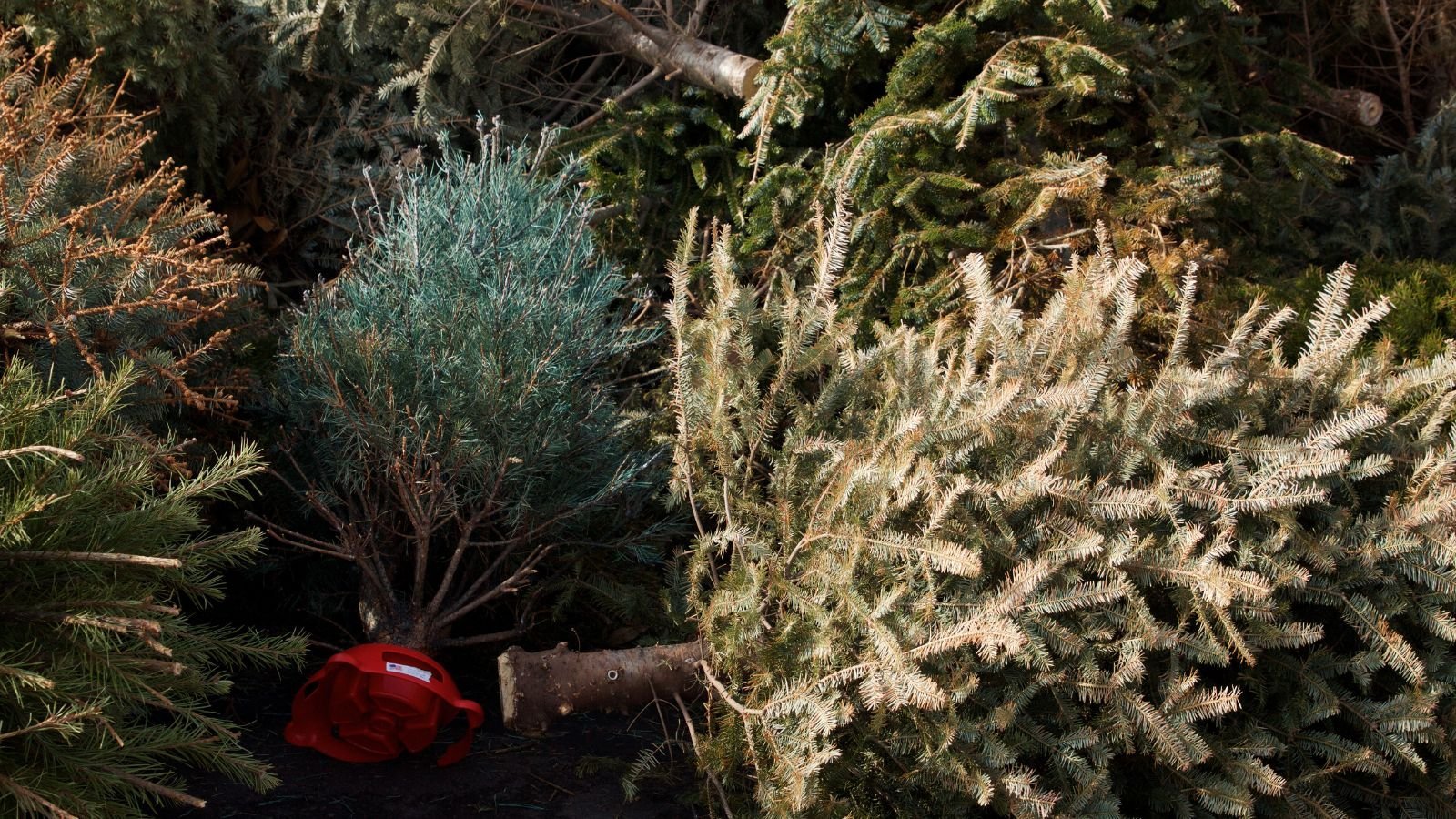
After the holiday decorations come down and the last twinkle of lights fades, many families are left with a beautifully decorated but now unwanted Christmas tree. Instead of throwing it in the trash, composting your Christmas tree is an eco-friendly way to give it a second life. With a little know-how, your tree can become nutrient-rich mulch, soil amendment, or wood chips that nourish your garden for years to come.
This guide explains everything you need to know about composting a Christmas tree safely and effectively, whether you have a backyard compost pile, a community garden, or access to municipal recycling programs.
Why Compost Your Christmas Tree?
Christmas trees are 100% natural and biodegradable, making them ideal for composting. By composting, you:
- Reduce landfill waste
- Create nutrient-rich compost for your garden
- Support healthy soil life
- Reduce your carbon footprint
Instead of sending the tree to a landfill where it produces methane as it decomposes anaerobically, composting allows the tree to decompose naturally under aerobic conditions, producing a valuable resource.
Step 1: Prepare Your Tree
Before adding your tree to a compost pile, some preparation is necessary:
Latest Posts
- With Just 1 Bottle of Water How I Was Shocked by What Happened When Growing Vegetables
- Maximize Your Home Garden with the Hanging Pea Sprout Growing Model – Space-Saving, High-Yield, and Easy-to-Manage Vertical Gardening Solution
- Just Water – The Secret to Growing Plump, White Peanut Sprouts Right at Home: A Step-by-Step Guide for Beginners
- Growing Zucchini at Home in a Container: How to Cultivate Large, Long Fruits with a 1-to-72 Day Step-by-Step Diary for Maximum Yield
- Grow Long Beans on the Terrace in Used Recycling Baskets: The Ultimate Guide to Easy, Space-Saving, and High-Yield Terrace Gardening
- How to Grow Tons of Long Beans Easily Without a Garden – A Complete Guide to Growing Healthy Yardlong Beans Without Fertilizers or Pesticides
- Easy Long Bean Growing Trick – No Garden, No Fertilizer, No Pesticide
- Grow Bitter Melon in Bottles — Harvest So Big You Can’t Eat It All! The Ultimate Guide to Bottle Gardening for Maximum Yields
- Growing Garlic Made Easy: No Soil, Fast Results – The Ultimate Guide to Growing Fresh Garlic Indoors Without Traditional Soil
- Wall-Mounted Hydroponic Watermelon System: Grow Large, Juicy, and Delicious Watermelons at Home with Minimal Space and Maximum Yield
- Remove decorations: Ornaments, tinsel, lights, ribbons, and any synthetic materials must be removed. These items do not break down in compost and can contaminate it.
- Cut off the trunk: If your tree is large, cut it into smaller sections (about 3–4 feet long). This makes it easier to handle and speeds up decomposition.
- Trim branches: Smaller branches break down faster than large limbs. You can also strip needles if you want a finer mulch.
At this stage, your tree is ready to enter the compost cycle, either at home or through municipal programs.
Step 2: Choose a Composting Method
There are several ways to compost a Christmas tree, depending on your resources and space.
Option 1: Backyard Compost Pile
If you have a compost pile or bin, follow these tips:
- Chop or shred the tree: Use a wood chipper, pruning shears, or even an axe to reduce branch size. Smaller pieces decompose faster.
- Balance carbon and nitrogen: Christmas tree branches and needles are “brown” (carbon-rich). Balance with “greens” like kitchen scraps, grass clippings, or manure to maintain an effective composting process.
- Layer well: Alternate tree material with other compost ingredients to improve airflow and decomposition.
- Turn regularly: Turning the pile every 2–3 weeks introduces oxygen and speeds breakdown.
Tip: Needle decomposition can take months. Chopping needles or branches into smaller pieces accelerates the process.
Option 2: Sheet Mulching or Hugelkultur
If you don’t have a compost bin, you can use the tree directly in your garden as a soil amendment:
- Lay the tree on garden beds or paths
- Cover with a layer of leaves, straw, or compostable mulch
- Over time, the tree will break down naturally, enriching the soil
This method works well in perennial beds and large garden areas. It’s especially useful for retaining moisture and providing shelter for wildlife during winter.
Option 3: Municipal or Community Tree Recycling
Many cities offer Christmas tree recycling programs after the holidays. Trees are collected and:
- Chipped into mulch for parks or public landscaping
- Composting at municipal facilities
- Converted into biomass for energy
Check with your local waste management authority to see if curbside pickup or drop-off locations are available.
Step 3: Understanding Decomposition Times
Christmas trees are woody and dense, so they take longer to break down than leaves or vegetable scraps. Here’s a general timeline:
- Chopped needles: 3–6 months
- Small branches: 6–12 months
- Large trunk pieces: 1–3 years
If you want usable compost within a single gardening season, focus on shredding branches and removing needles. Larger trunk sections can be added to hugelkultur beds or left for long-term decomposition.
Step 4: Using Your Tree as Mulch
Even if full composting takes time, Christmas trees can provide immediate garden benefits as mulch:
- Protects soil from erosion
- Conserves moisture
- Suppresses weeds
- Provides habitat for beneficial insects
To mulch with your tree:
- Shred or chip the tree into small pieces
- Spread around perennials, shrubs, or vegetable beds (2–4 inches thick)
- Refresh annually as the mulch breaks down
Needles are slightly acidic, which can benefit acid-loving plants like blueberries, azaleas, or rhododendrons.
Step 5: Tips for Safe and Effective Composting
- Avoid synthetic decorations: Any plastic, tinsel, or wires can contaminate compost.
- Watch the moisture: Dry needles can slow decomposition, while overly wet piles can become smelly. Aim for a moist but not soggy pile.
- Chop for speed: Smaller branches and needles break down faster than large sections.
- Balance with nitrogen: Christmas trees are carbon-rich; add grass clippings, kitchen scraps, or green manure to create a healthy compost.
- Be patient: Even shredded trees take several months to fully compost, so plan accordingly.
Step 6: Alternative Uses for Christmas Trees
If you’re short on compost space, your tree can still serve other eco-friendly purposes:
- Wildlife habitat: Place in a corner of your yard to provide shelter for birds and small mammals.
- Soil erosion control: Use on slopes or garden edges to reduce water runoff.
- Winter windbreak: Lean your tree against vulnerable plants to block cold winter winds.
Even without full composting, the tree continues to benefit your garden in multiple ways.
Final Thoughts
Composting your Christmas tree is one of the simplest ways to extend the life of your holiday greenery and give back to the environment. By preparing the tree, choosing the right composting method, and balancing carbon and nitrogen in your compost pile, you can turn your post-holiday tree into nutrient-rich mulch or compost that feeds your garden year-round.
Even if you don’t have space for a traditional compost pile, consider mulching, hugelkultur, or wildlife habitat uses. With a little creativity, your Christmas tree won’t just be a memory of the holidays—it will become a natural resource that nurtures your garden for seasons to come.