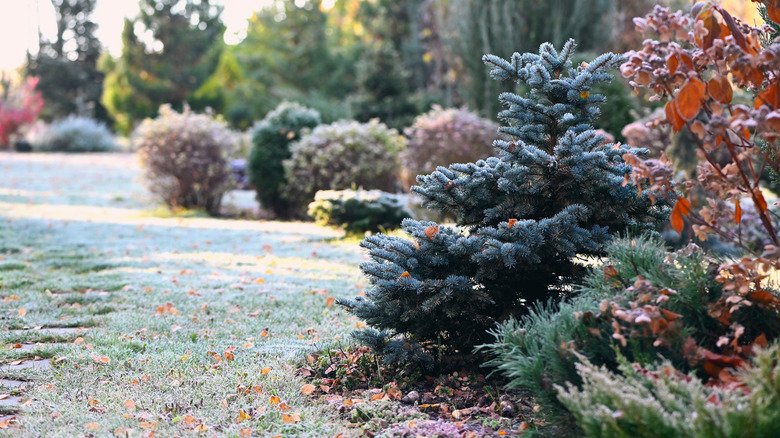
Winter can be a challenging season for gardeners, especially in coastal regions or areas where roads are salted to prevent ice. Salt exposure can damage plant roots, scorch leaves, and stunt growth, leaving your garden looking dull and barren.
The good news is that some plants are naturally salt-tolerant and can survive, even thrive, in cold, salty conditions. Incorporating these resilient varieties into your winter garden ensures beauty, structure, and greenery all season long.
Here are eight salt-tolerant plants perfect for winter gardens.
1. Ornamental Grasses (e.g., Festuca, Miscanthus)
Ornamental grasses add movement, texture, and year-round interest to winter landscapes.
- Salt tolerance: High
- Cold tolerance: Many varieties survive below freezing
- Care tips:
- Leave foliage standing through winter for visual interest
- Cut back dead stems in early spring
- Plant in well-draining soil; full sun enhances growth
Why they work: Grasses are hardy and can withstand salty winds while providing winter structure and interest.
Latest Posts
- With Just 1 Bottle of Water How I Was Shocked by What Happened When Growing Vegetables
- Maximize Your Home Garden with the Hanging Pea Sprout Growing Model – Space-Saving, High-Yield, and Easy-to-Manage Vertical Gardening Solution
- Just Water – The Secret to Growing Plump, White Peanut Sprouts Right at Home: A Step-by-Step Guide for Beginners
- Growing Zucchini at Home in a Container: How to Cultivate Large, Long Fruits with a 1-to-72 Day Step-by-Step Diary for Maximum Yield
- Grow Long Beans on the Terrace in Used Recycling Baskets: The Ultimate Guide to Easy, Space-Saving, and High-Yield Terrace Gardening
- How to Grow Tons of Long Beans Easily Without a Garden – A Complete Guide to Growing Healthy Yardlong Beans Without Fertilizers or Pesticides
- Easy Long Bean Growing Trick – No Garden, No Fertilizer, No Pesticide
- Grow Bitter Melon in Bottles — Harvest So Big You Can’t Eat It All! The Ultimate Guide to Bottle Gardening for Maximum Yields
- Growing Garlic Made Easy: No Soil, Fast Results – The Ultimate Guide to Growing Fresh Garlic Indoors Without Traditional Soil
- Wall-Mounted Hydroponic Watermelon System: Grow Large, Juicy, and Delicious Watermelons at Home with Minimal Space and Maximum Yield
2. Holly (Ilex spp.)
Holly is a classic winter plant, valued for its evergreen leaves and bright berries.
- Salt tolerance: Moderate to high
- Cold tolerance: Excellent, many species hardy to USDA zone 5
- Care tips:
- Plant in well-drained soil
- Prune lightly in late winter to maintain shape
- Berries require both male and female plants for fruit production
Winter appeal: Holly’s red berries and glossy green leaves provide color when most plants are dormant.
3. Winterberry (Ilex verticillata)
Winterberry is a deciduous holly that loses leaves but retains bright red berries through winter.
- Salt tolerance: Moderate
- Cold tolerance: Hardy to zone 3
- Care tips:
- Plant male and female shrubs for berry production
- Requires full sun to partial shade
- Thrives in moist, well-draining soil
Why it thrives: Winterberry tolerates salty soils and provides dramatic color in snowy landscapes.
4. Sea Thrift (Armeria maritima)
Sea thrift is a low-growing perennial with tufts of evergreen foliage and pink or white flowers in spring and summer.
- Salt tolerance: Very high
- Cold tolerance: Hardy to zone 3
- Care tips:
- Excellent for rock gardens or borders
- Prefers full sun and well-draining soil
- Minimal maintenance once established
Winter appeal: Its evergreen clumps create neat, architectural shapes, even under frost.
5. Red-Twig Dogwood (Cornus sericea)
Red-twig dogwood is famous for its vivid red stems that brighten winter gardens.

- Salt tolerance: Moderate
- Cold tolerance: Hardy to zone 2
- Care tips:
- Prune older stems in late winter to encourage new growth and vibrant color
- Thrives in full sun to partial shade
- Moist, slightly acidic soil works best
Winter interest: Bright red stems pop against snow, providing year-round drama.
6. Ornamental Cabbage and Kale (Brassica oleracea)
Ornamental cabbage and kale bring colorful rosettes of purple, pink, and white foliage to winter landscapes.
- Salt tolerance: High
- Cold tolerance: Excellent, can survive frost and snow
- Care tips:
- Plant in full sun for best color
- Keep soil consistently moist
- Remove damaged leaves to maintain appearance
Why they thrive: Their tolerance for cold and salt makes them ideal for winter beds, especially along roads or coastal areas.
7. Juniper (Juniperus spp.)
Junipers are evergreen conifers that work well as hedges, groundcover, or specimen plants.
- Salt tolerance: High, especially creeping or low-growing varieties
- Cold tolerance: Hardy to zone 3–5
- Care tips:
- Plant in well-drained soil
- Prune lightly to maintain shape
- Full sun encourages dense, vibrant foliage
Winter appeal: Junipers provide structure and greenery, even in harsh coastal or salted environments.
8. Sea Buckthorn (Hippophae rhamnoides)
Sea buckthorn is a hardy shrub with silvery foliage and bright orange berries that persist through winter.
- Salt tolerance: Very high
- Cold tolerance: Hardy to zone 3
- Care tips:
- Requires male and female plants for berries
- Full sun improves berry production
- Prune lightly to shape and remove damaged branches
Why it works: Its silver leaves reflect sunlight and add texture to winter gardens, while berries feed wildlife.
Tips for Planting Salt-Tolerant Winter Gardens
- Choose well-draining soil: Salty conditions are more damaging in poorly drained soils.
- Create windbreaks: Salt-laden winds can harm plants; fences or hedges reduce exposure.
- Rinse leaves after salt exposure: If near salted roads, gently wash foliage to remove residue.
- Mulch around roots: Protects against freeze-thaw cycles and salt infiltration.
- Group plants by tolerance: Place most tolerant species closer to roads or coastlines.
Benefits of Salt-Tolerant Winter Plants
- Low-maintenance beauty: Survive harsh conditions with minimal care
- Wildlife support: Berries feed birds during winter months
- Erosion control: Especially for coastal or sloped gardens
- Seasonal interest: Evergreen foliage, colorful stems, and berries brighten bleak winter landscapes
Final Thoughts
A winter garden doesn’t have to be dull or lifeless, even in salty environments. By incorporating salt-tolerant plants like holly, red-twig dogwood, ornamental cabbage, and juniper, you can create a resilient, colorful, and wildlife-friendly landscape that endures frost, wind, and winter salts.
These eight plants provide texture, structure, and seasonal interest while thriving in conditions that challenge other species. With careful selection, planting, and a little winter protection, your garden can remain vibrant and alive all season long.